D\Tank at Wired Next Fest

Digital for museums: new organizational models and tools to build immersive and shared experiences

D\Tank, the think tank of the Department of Design, participated at Wired Next Fest 2023 with a workshop on digital for museums and new organizational models and tools for building immersive and shared experiences.

On Saturday, October 7, D\Tank was a guest at Wired Next Fest at Castello Sforzesco, where it held a workshop on its ongoing research project entitled Digital for Museums.

During the event, discussions revolved around how digital technology is transforming the relationship with the artistic heritage, and which development models, value chains, and technologies can enhance the experience of visitors and their connection with artworks and museums.

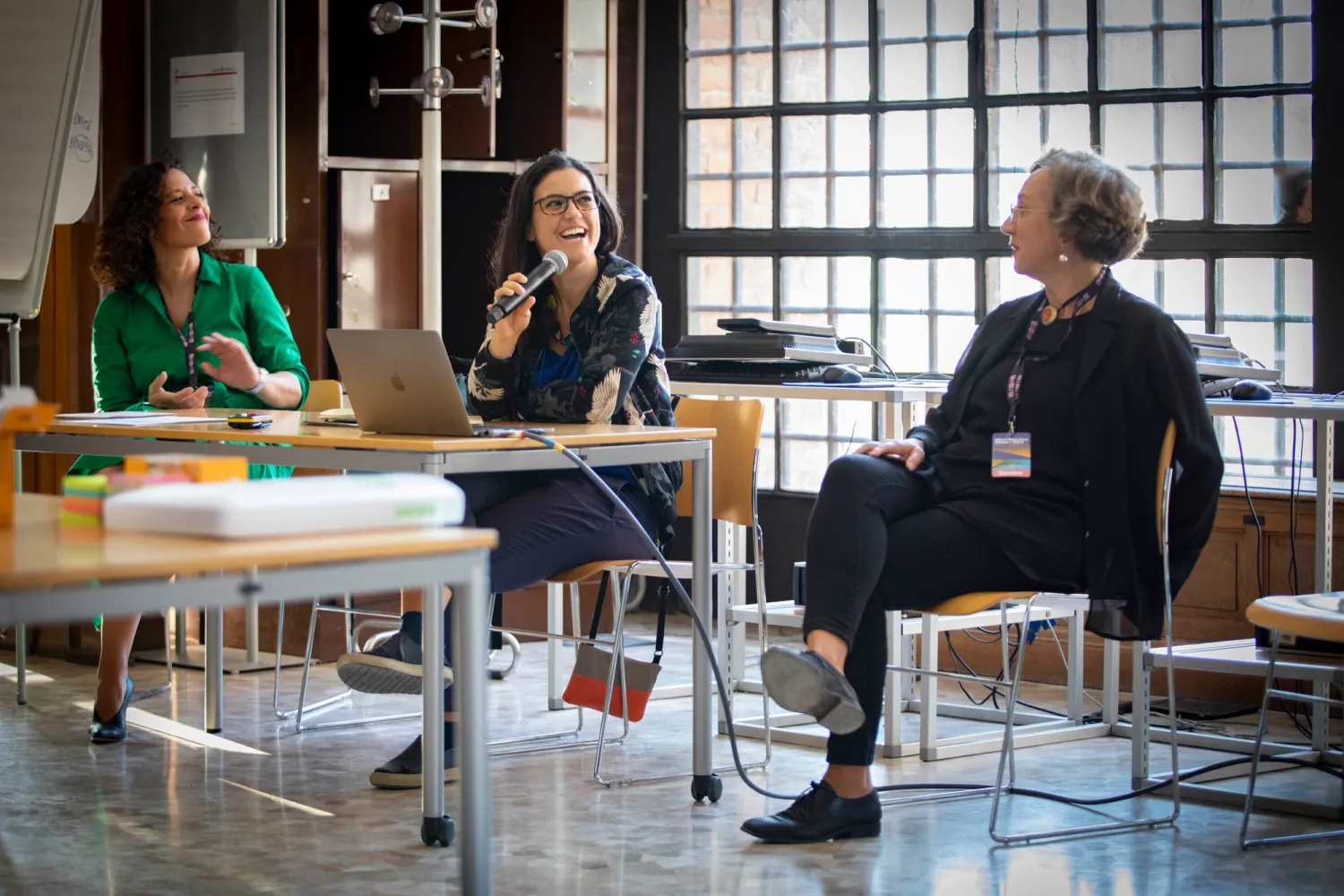
The co-design session was opened by Dr. Fiorella Mattio, Curator of the Collections of Modern and Contemporary Applied Art of the Castello Sforzesco, in Milano, who delved into some of the Extended Reality experience projects presented at the Castle in recent years.
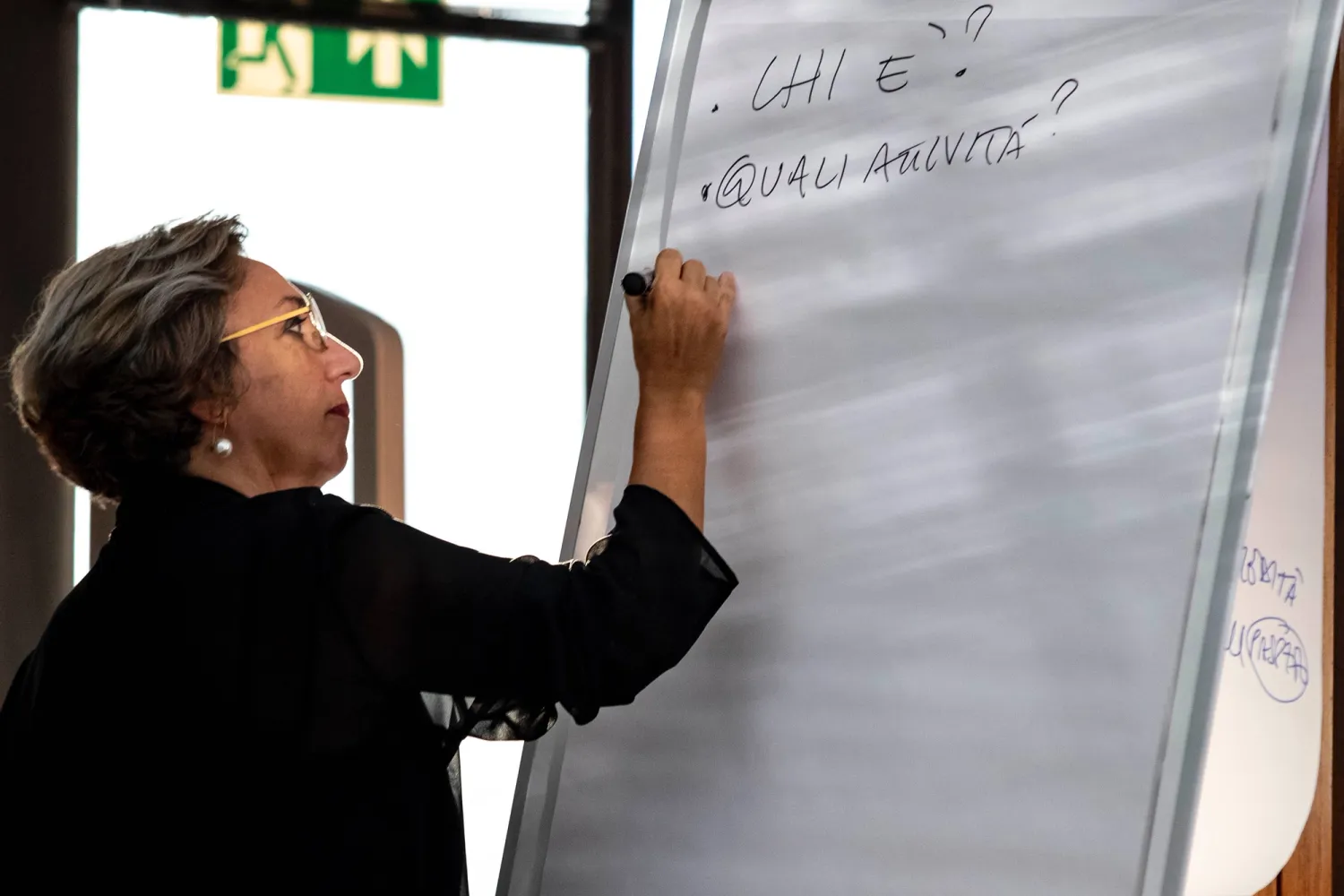
The image captures a woman in profile as she writes with a black marker on a flip chart. The whiteboard displays the questions in Italian: "CHI È?" (Who is it?) and "QUALI ATTIVITÀ?" (Which activities?). The woman is wearing yellow-rimmed glasses and a black shirt, suggesting a moment of facilitation, teaching, or brainstorming during an event or workshop.
The image captures a friendly moment during a conference or panel discussion in a bright indoor setting. Three women are seated at a table; the one in the center is smiling while speaking into a microphone, flanked by a colleague in a green dress and another in black who are listening intently. The atmosphere appears professional yet relaxed, with laptops and ID badges suggesting an institutional or cultural event.

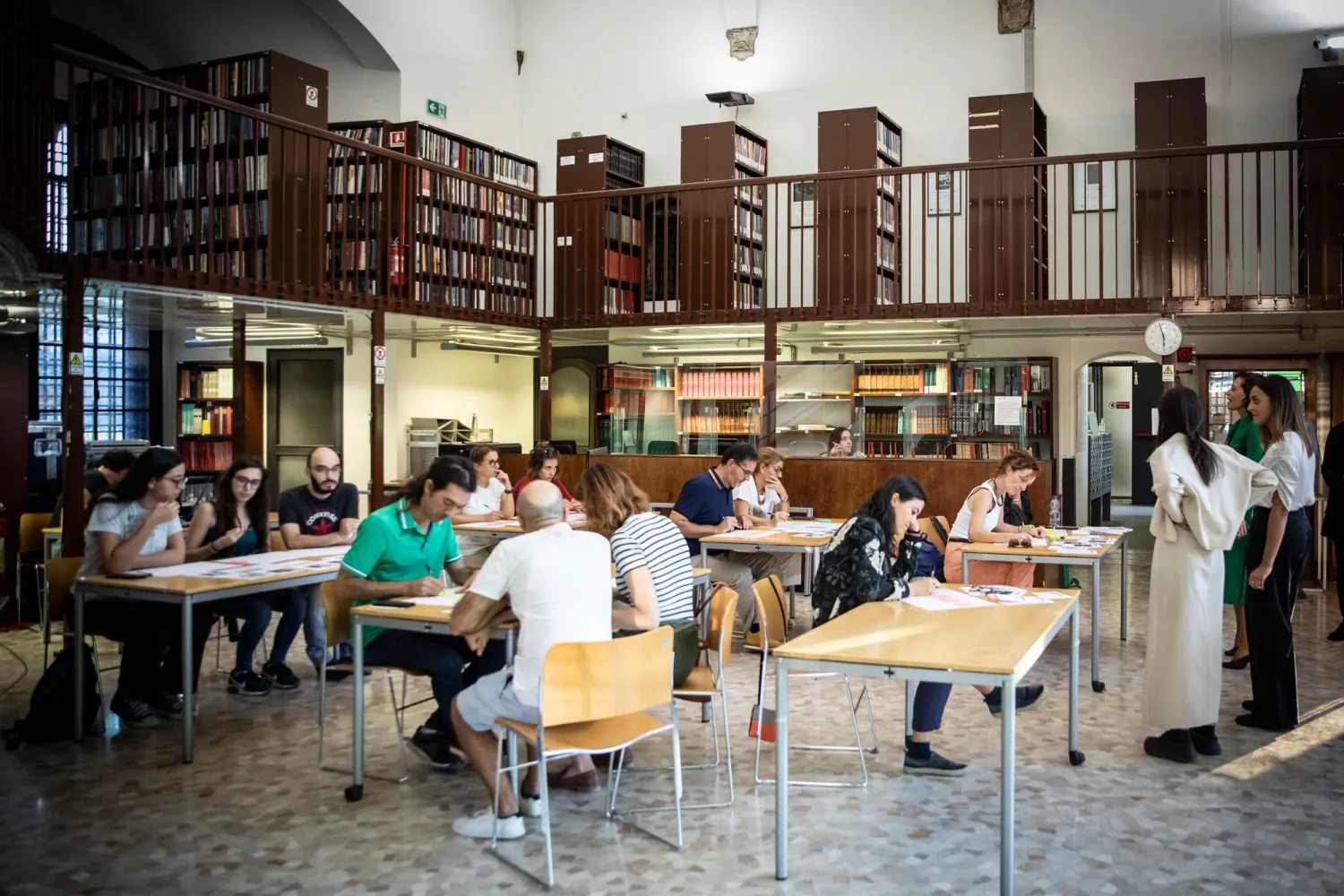
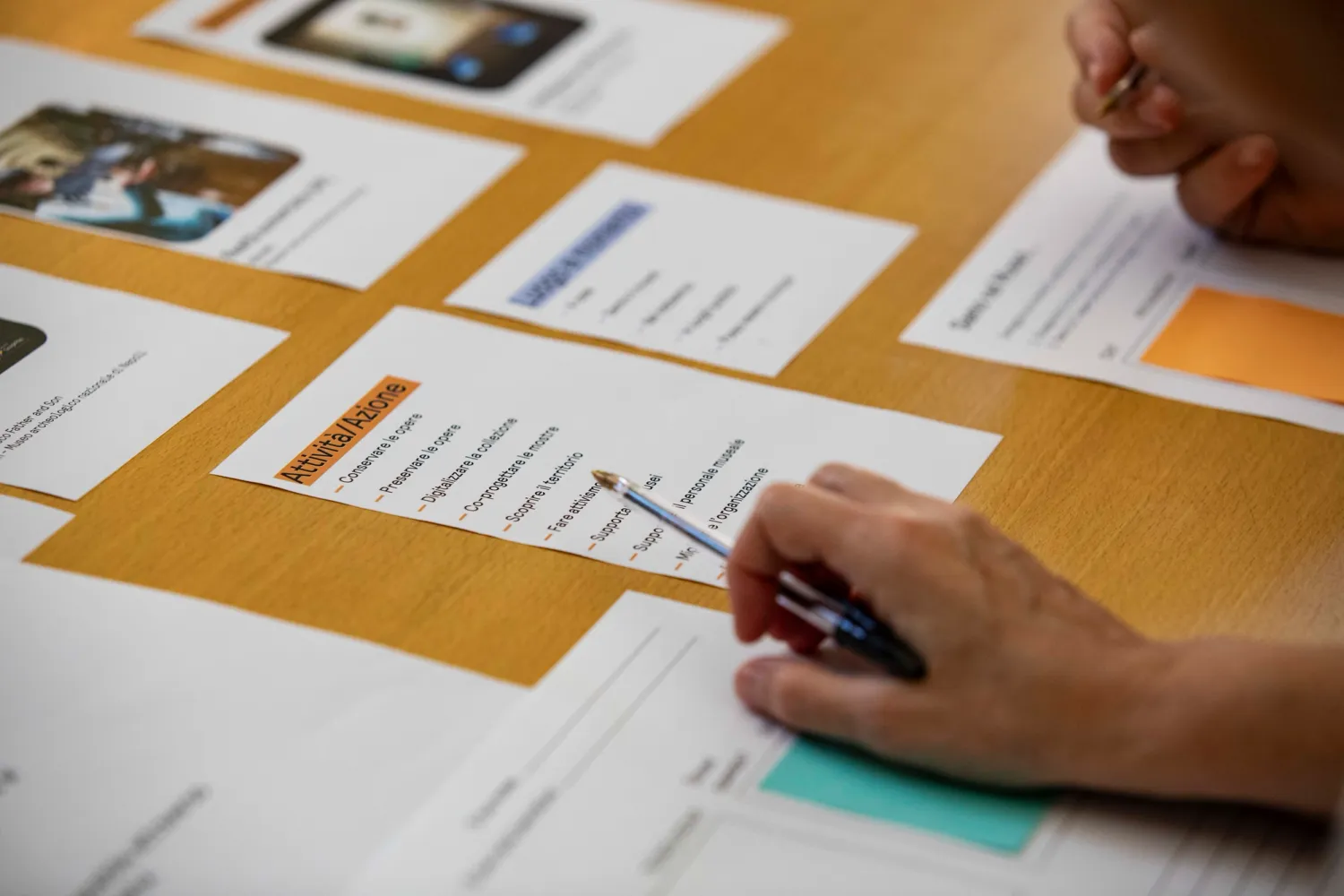
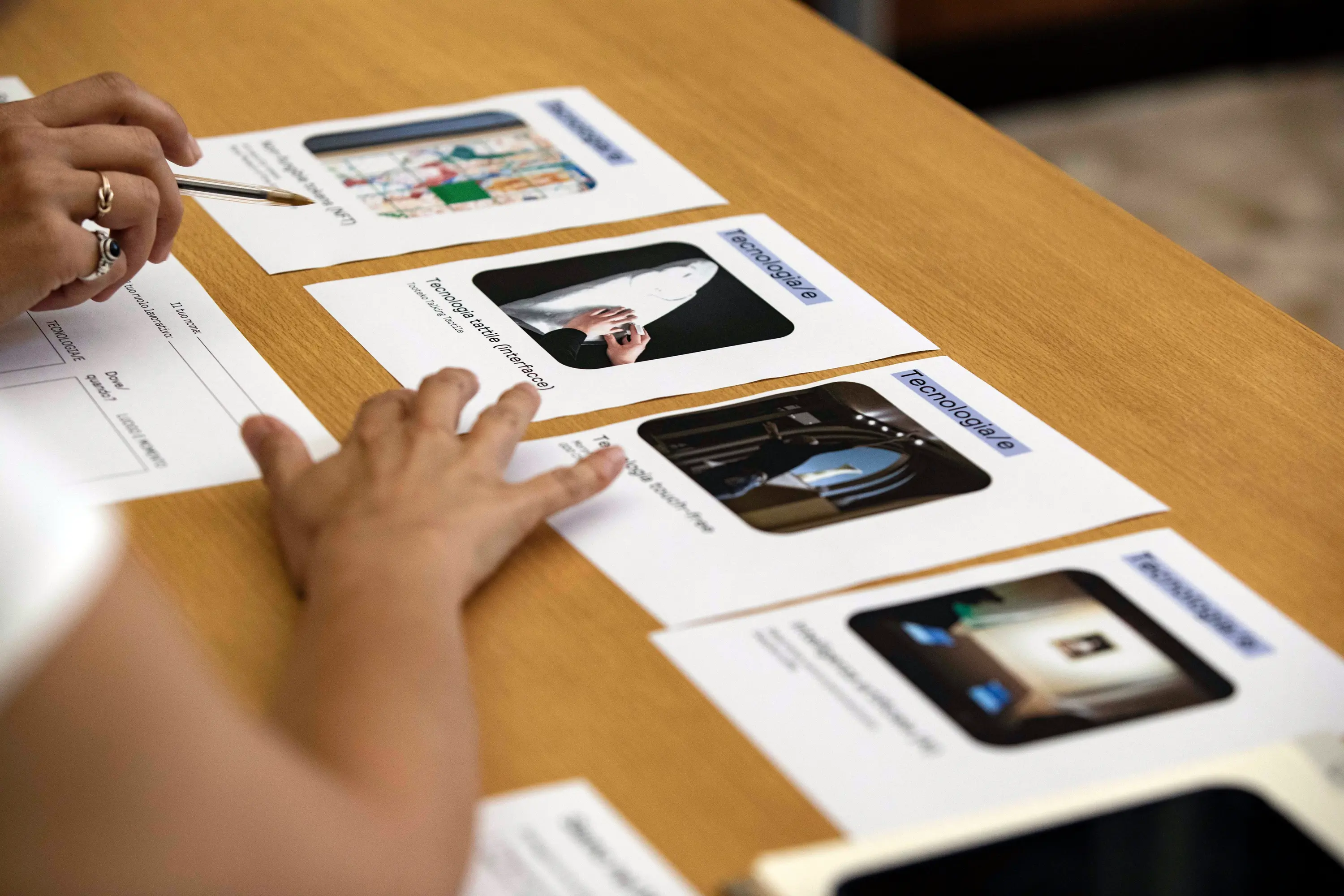
Following the presentation of the research results, the Library of Castello Sforzesco hosted a co-design session divided into three scenarios, with the participation of 12 people. Participants created a story for each of the three scenarios, using inspirational cards related to technologies, activities and places.

In these stories, artistic achievements are no longer merely objects to be admired and contemplated, but acquire new narrative and experiential functions through the integration of new digital potentials and functions. These include the possibility of duplicating and transforming into immersive experiences that allow for greater incisiveness, up to the possibility of dematerializing, entering blockchains to guarantee their value. In this way, the museum expands outside its walls, reaching out to people, territories and communities.

The session concluded with an open discussion on the co-created stories, from which emerged the protagonist users, the technologies involved, and how these will be integrated into the museums of the future.

The image shows a wide view of a workshop or creative lab taking place inside a historic library. Numerous participants are seated at various tables, focused on writing or drawing on large sheets of paper. The setting features tall bookshelves filled with books arranged on two levels with an upper balcony, creating a blend of traditional academic study and modern active collaboration.

Overview on the research Digital for Museums

The research session about Digital for Museums began with an extensive literature and patent review of technologies, products, and services related to museum digitization and immersive experiences, conducted by a group of researchers of the Department of Design. This first phase allowed to outline some macro-themes, which were subsequently discussed and validated through a user analysis and by several moments of discussion with industry experts and decision-makers.

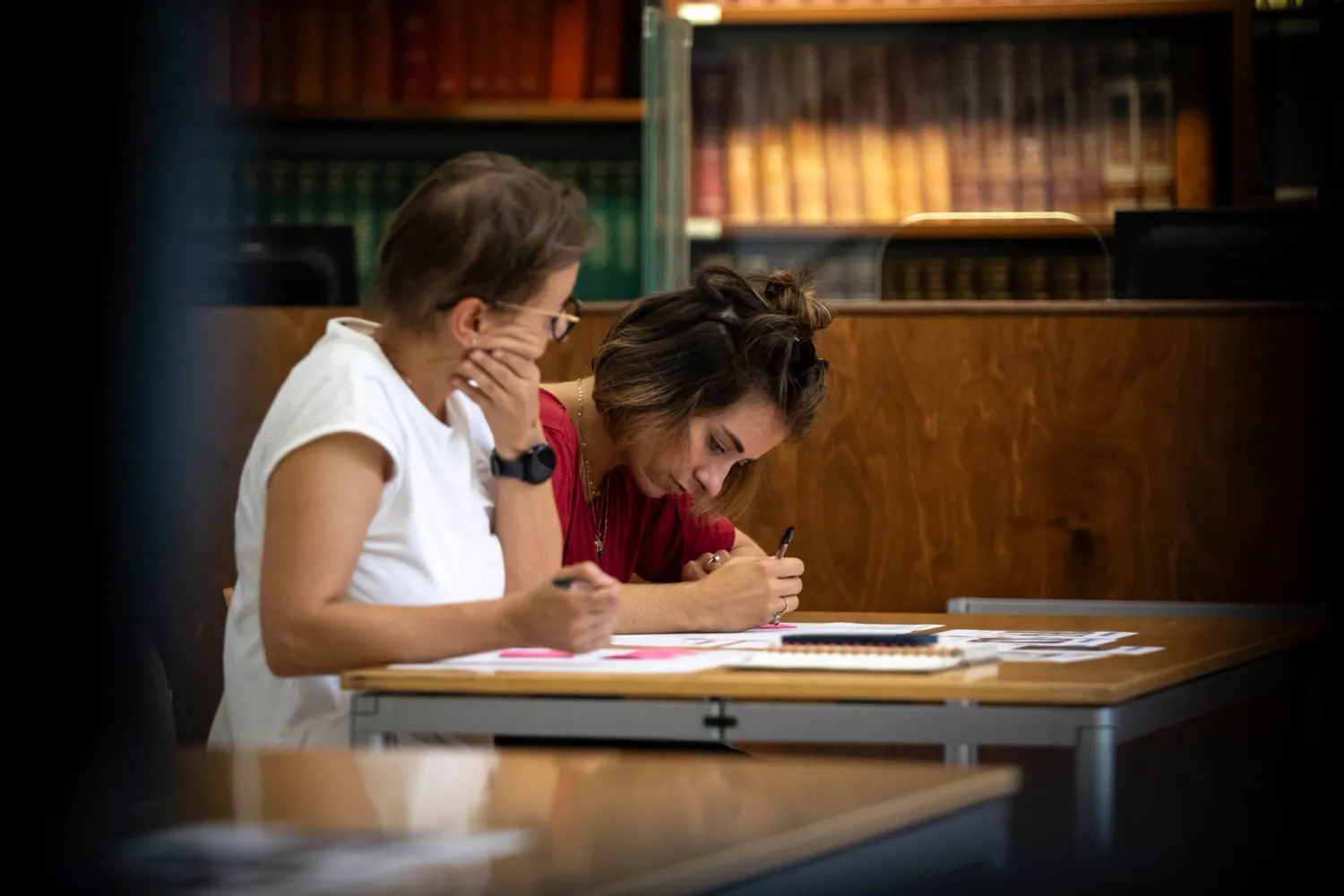
The image captures a moment of deep concentration during a group activity. Two women are seated at a table inside a library, surrounded by bookshelves. One of them, wearing a red shirt, is leaning over the papers while writing carefully, while the other, in a white shirt, observes the work thoughtfully. The close-up shot and depth of field highlight their collaboration and dedication to the task.
The image shows a close-up detail of a workshop or co-design session. Several sheets and cards are laid out on a wooden table; one in particular, titled "Attività/Azione" (Activity/Action), lists goals such as "preserving works" or "discovering the territory." A person's hands holding a pen are visible, engaged with the materials, suggesting a moment of active participation and creative planning.

Adopting typical Futures Studies methodologies, with a user-centered approach, D\Tank elaborated the design priorities that emerged from the research by projecting them into the future with the awareness that the future is not the destination but a vantage point from which to look back and elaborate "Alternative Presents": close scenarios, that can be imagined in a near future, within 24-36 months.

Photos by Annachiara Di Stefano

Share on: