Designing for Living Together. Why PDC 2026 Speaks to the Future of Design

International Conference

From 15 to 19 June, the Department of Design hosted at the Bovisa Durando Campus the Participatory Design Conference (PDC) 2026 one of the world's leading international events dedicated to participatory design.

Organised for the first time by an Italian university, the conference brought together a global community of researchers, designers, institutions, organisations and communities engaged in participation, co-design and social innovation around a theme that feels both timely and urgent: Peace, Dialogue, Coexistence. Designing for Living Together.

More than a conference, PDC 2026 became a space for reflection on the conditions of living together in an era marked by conflict, polarization, environmental crises and profound technological transformations. A reflection that directly concerns design and its role in contemporary society.
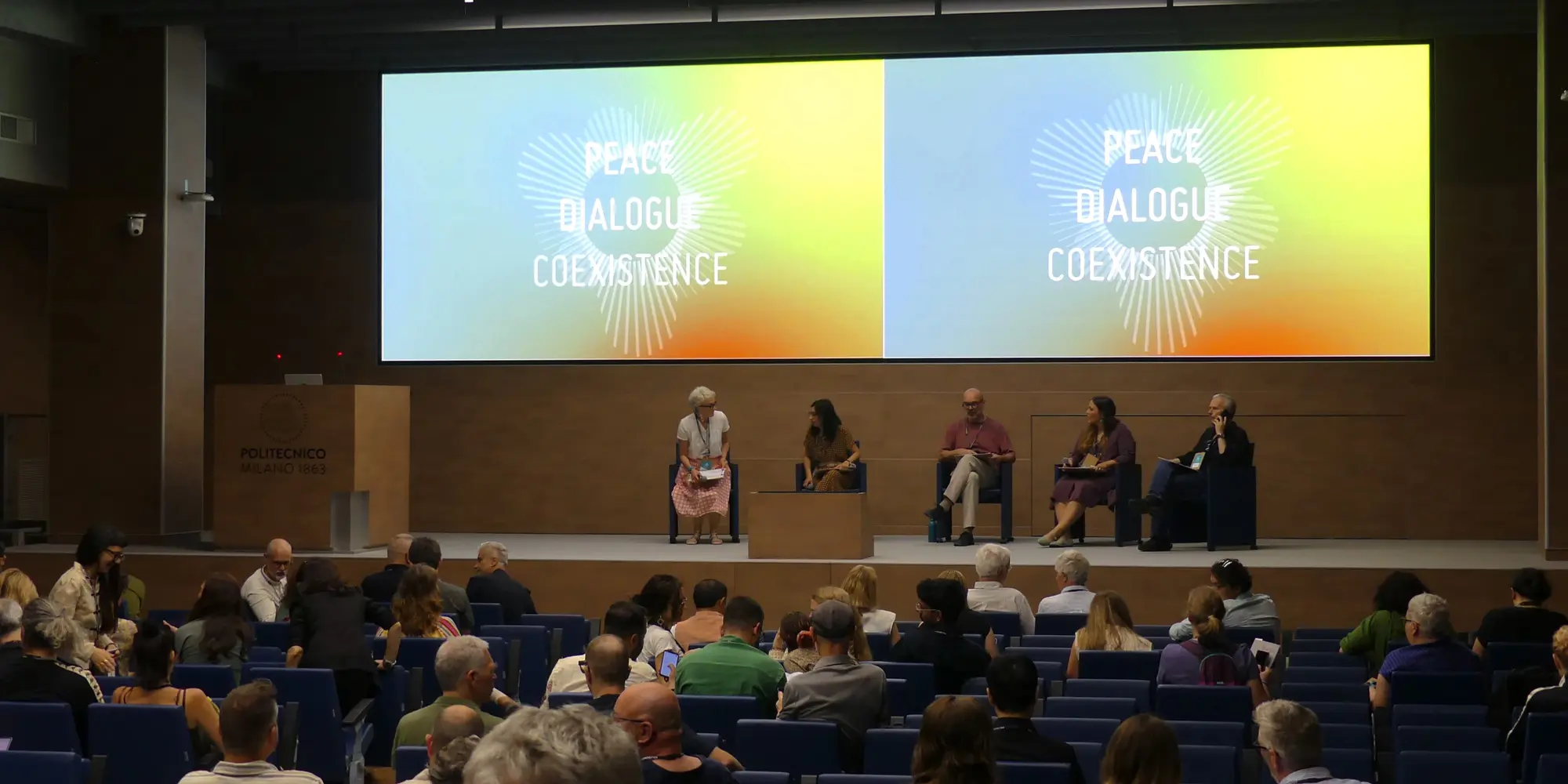
Kick-Off Day 01

When Design Becomes an Infrastructure for Dialogue

Participatory design emerged historically as an approach aimed at democratising decision-making processes. Today, however, its scope extends far beyond the design of products and services, encompassing complex social systems, public policies, urban governance and territorial transformation processes.

Within this context, the theme chosen for PDC 2026 takes on particular significance. Addressing peace, dialogue and coexistence does not simply mean engaging with geopolitical or social issues; it means questioning how to design the conditions that make encounters across differences possible, foster trust and enable cooperation among diverse actors.

Design is therefore understood as a practice capable of building relational infrastructures: devices, processes and environments through which people, communities and institutions can negotiate different visions, needs and interests. This perspective shifts attention from the designed object to the relationships that design makes possible.

Keynotes and workshops

Participation as a Response to Complexity

The issues explored throughout the conference demonstrate how participatory design has evolved to address some of the most pressing challenges of our time. From the social consequences of conflict to the interactions between artificial intelligence and democracy, from civic participation and public policy to climate change and multispecies perspectives, the conference highlighted a discipline increasingly called upon to engage with interconnected systems and complex phenomena.

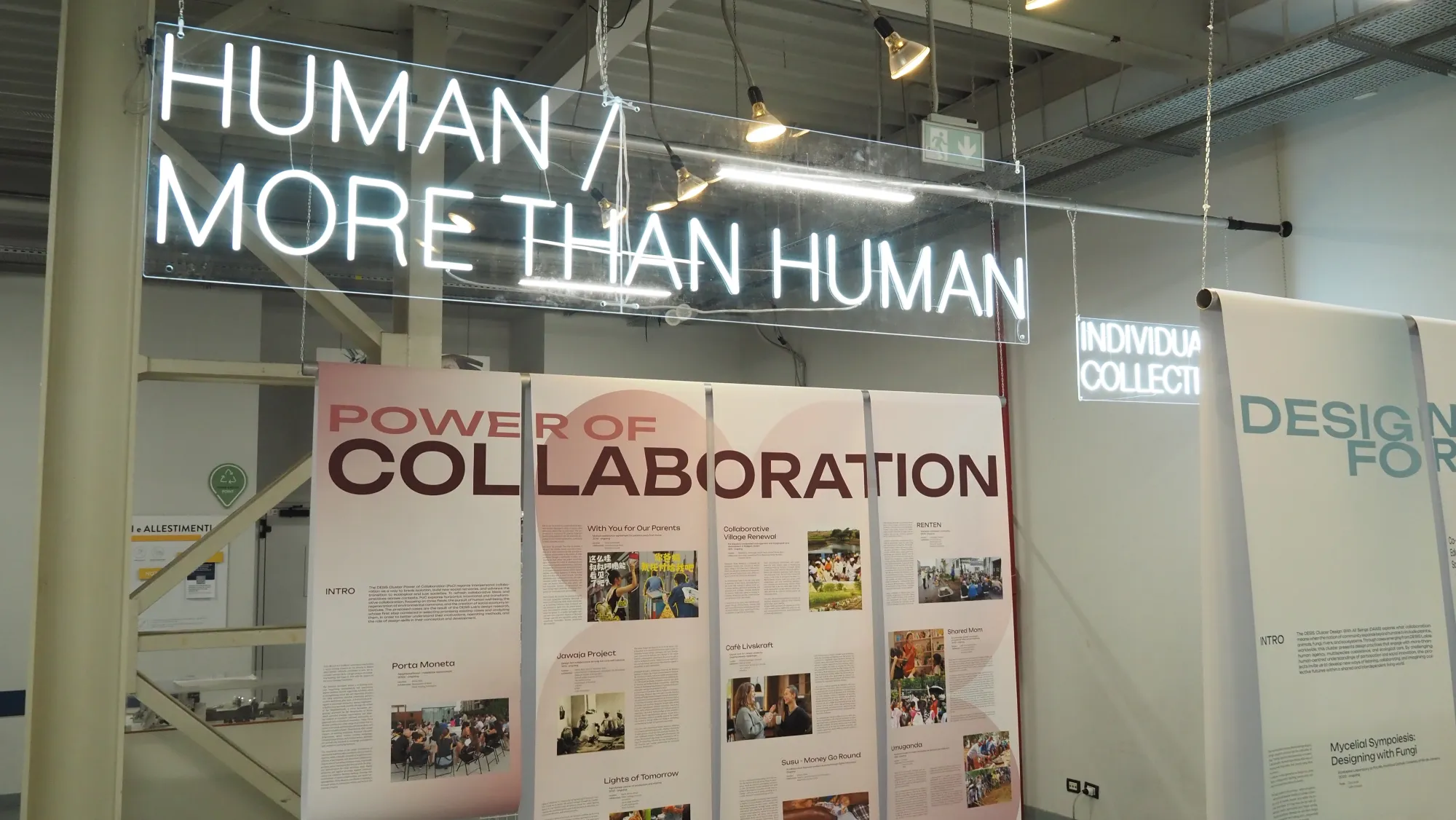
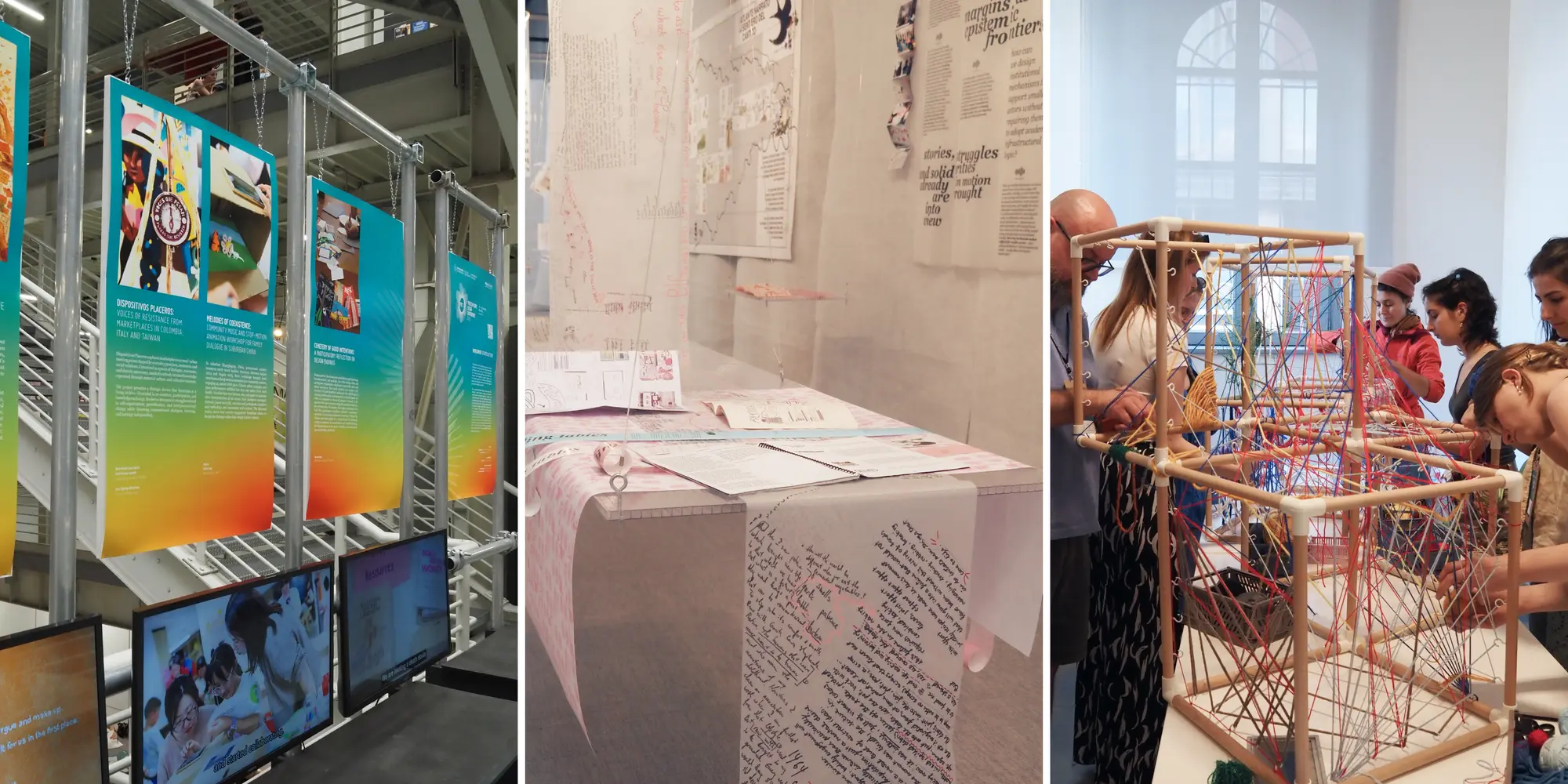
PDC Places Exhibition

In this scenario, participation is no longer considered merely a methodological tool but a necessary condition for generating knowledge and imagining shared transformations. The complexity of contemporary challenges makes approaches based on isolated expertise or top-down solutions increasingly inadequate. Design thus becomes a collective process of learning, listening and sense-making.

Beyond the Conference Format

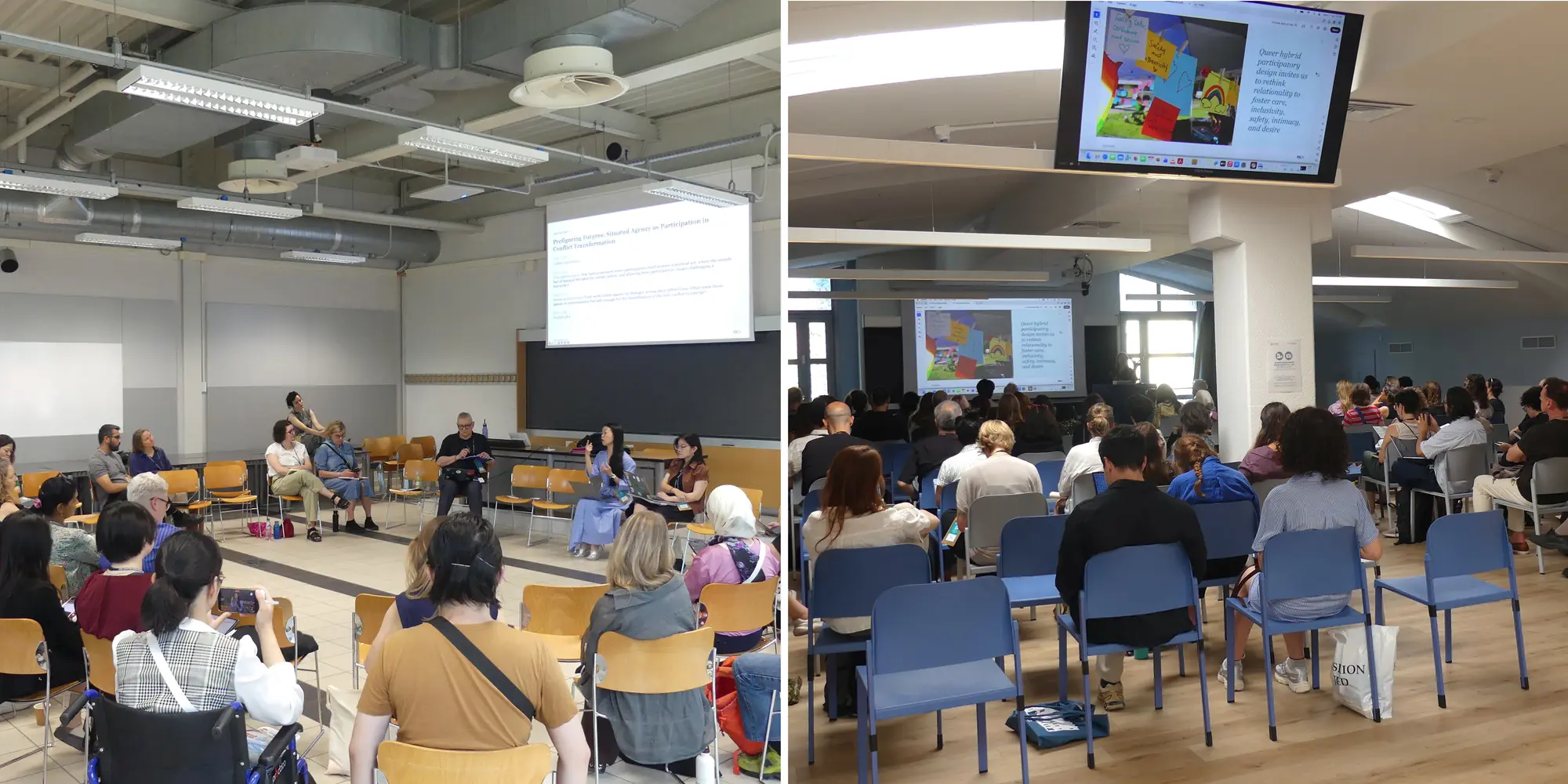
One of the most significant aspects of PDC 2026 concerned the conference format itself. Workshops, the Doctoral Colloquium, installations, Situated Actions and Local Practices complemented traditional academic sessions, transforming the event into an open platform for experimentation.

Particularly noteworthy was the format of the Conversations, which replaced the conventional model of individual presentations with dialogue among authors. This choice reflects the principles of participatory design, recognising knowledge as a collective construction rather than a simple transmission of content.

The presence of PDC Places in different cities around the world further contributed to redefining the very idea of a conference. No longer an event confined to a specific place and time, it became a network of local practices and experiments connected through a shared reflection.

Exhibitions and activities organized as part of PDC26

Milan as a Laboratory for Participation

The arrival of PDC in Milan also holds strategic significance for the city and its territory. The collaboration with the Comune di Milano, Fondazione Cariplo, CASVA and numerous local organisations reflects a commitment to fostering dialogue between academic research, institutions and civic practices.

The city did not simply provide a backdrop for the conference; it became a case study and a space for experimentation in its own right. Participatory practices developed within the Milanese context entered an international debate, contributing to an exchange between local experiences and global perspectives.

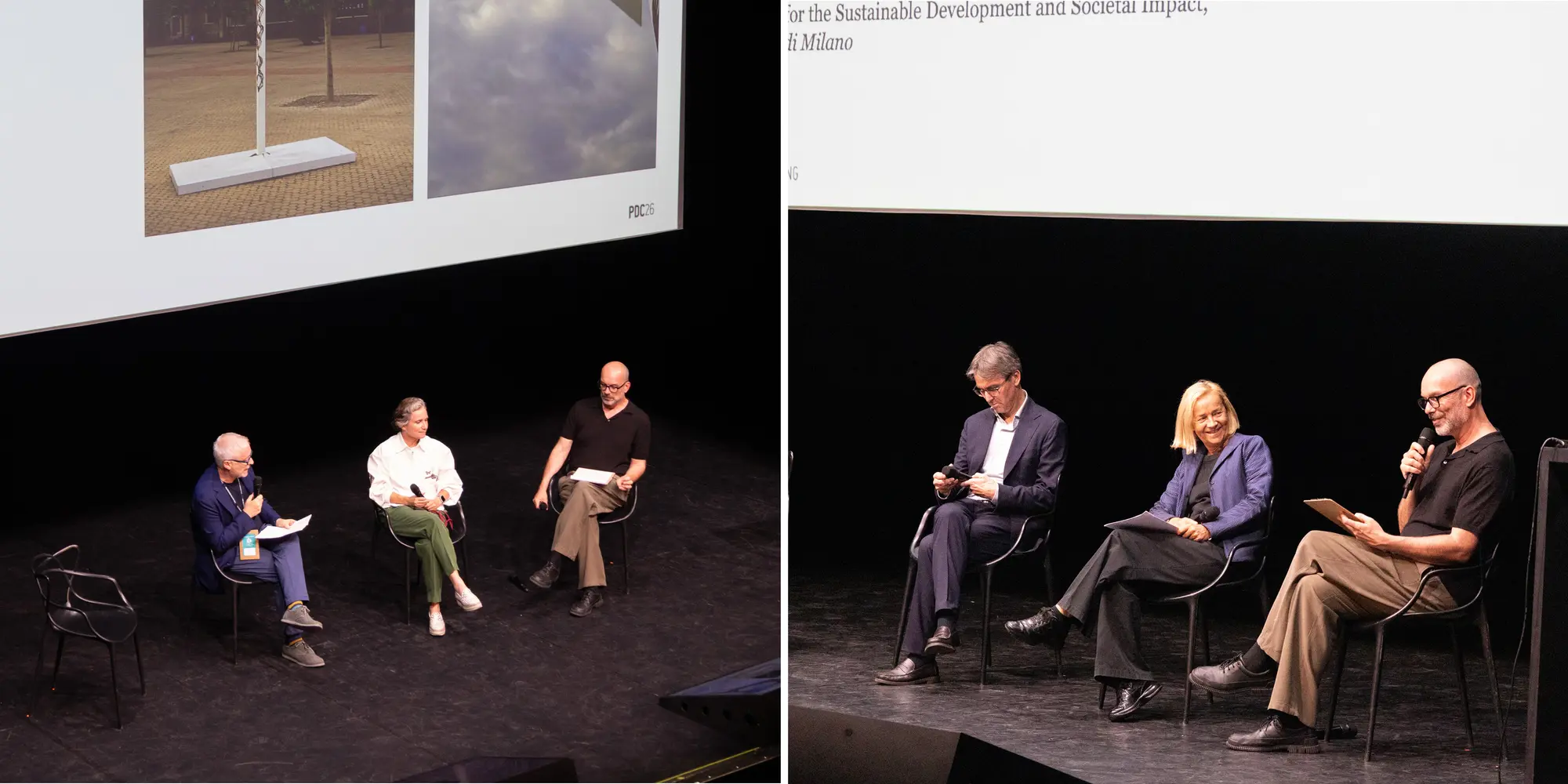
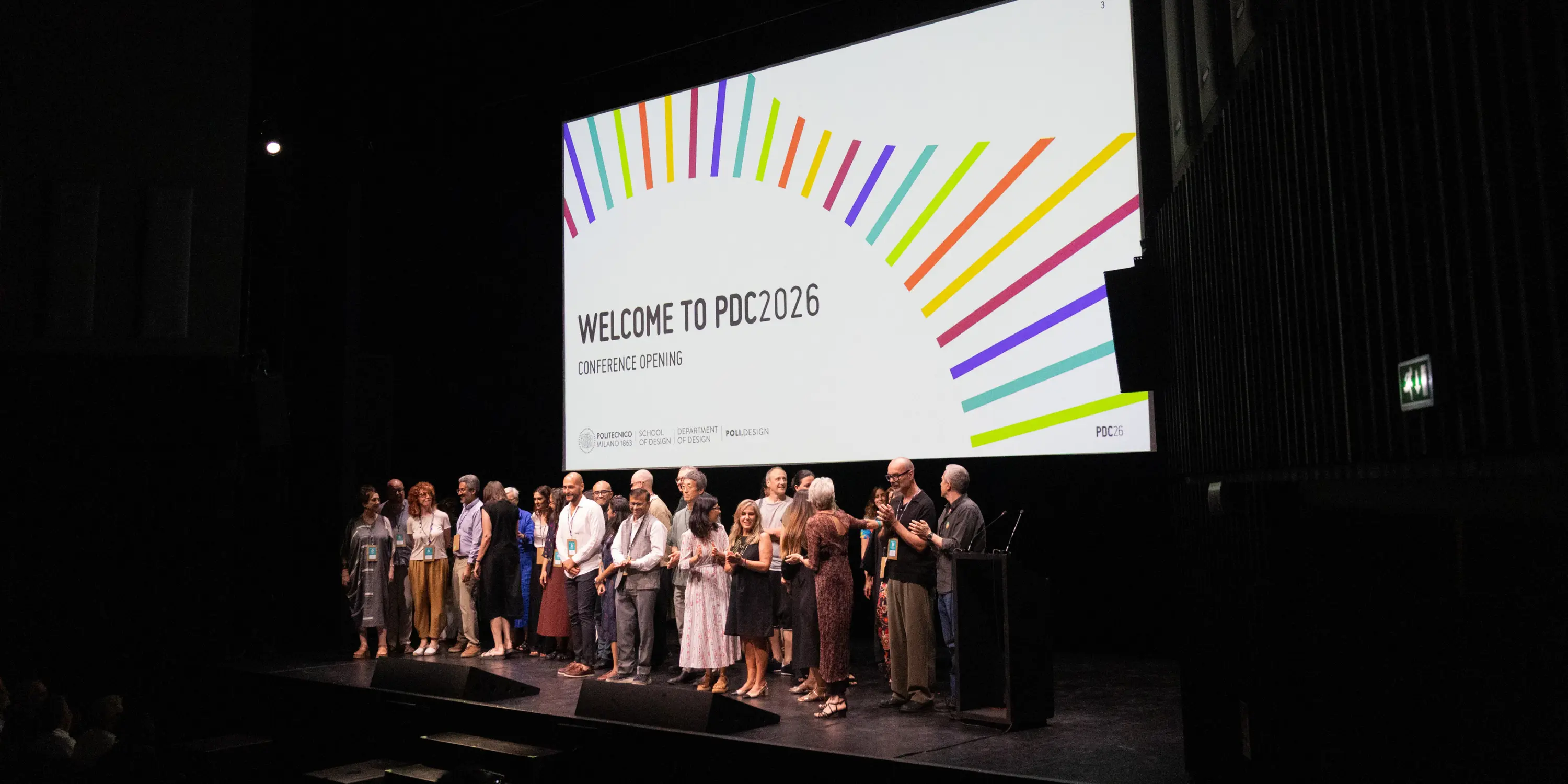
Conference Opening, Triennale di Milano

A Trajectory Embedded in the Politecnico di Milano Design System

The organisation of PDC 2026 is part of a broader research trajectory that has long characterised the Design System of Politecnico di Milano. Themes such as social innovation, sustainability, collaborative design and systemic change are among the areas in which the Department of Design and the School of Design have developed internationally recognised expertise.

Hosting the world's leading conference on participatory design therefore represents not only a consolidation of an already prominent position within the contemporary design debate, but also a reaffirmation of a vision of design as a discipline capable of engaging with society's major transformations.

At a historical moment marked by growing fragmentation and uncertainty, PDC 2026 raises a question that concerns the entire field of design: if design has always been about imagining and building possible futures, how can it contribute today to designing the conditions for coexistence?

The conference does not offer a single answer. Instead, it proposes a space for dialogue in which design is recognised as a practice of mediation, listening and the collective construction of possibilities. An approach that, in the face of contemporary challenges, appears increasingly central to imagining sustainable and inclusive ways of living together.

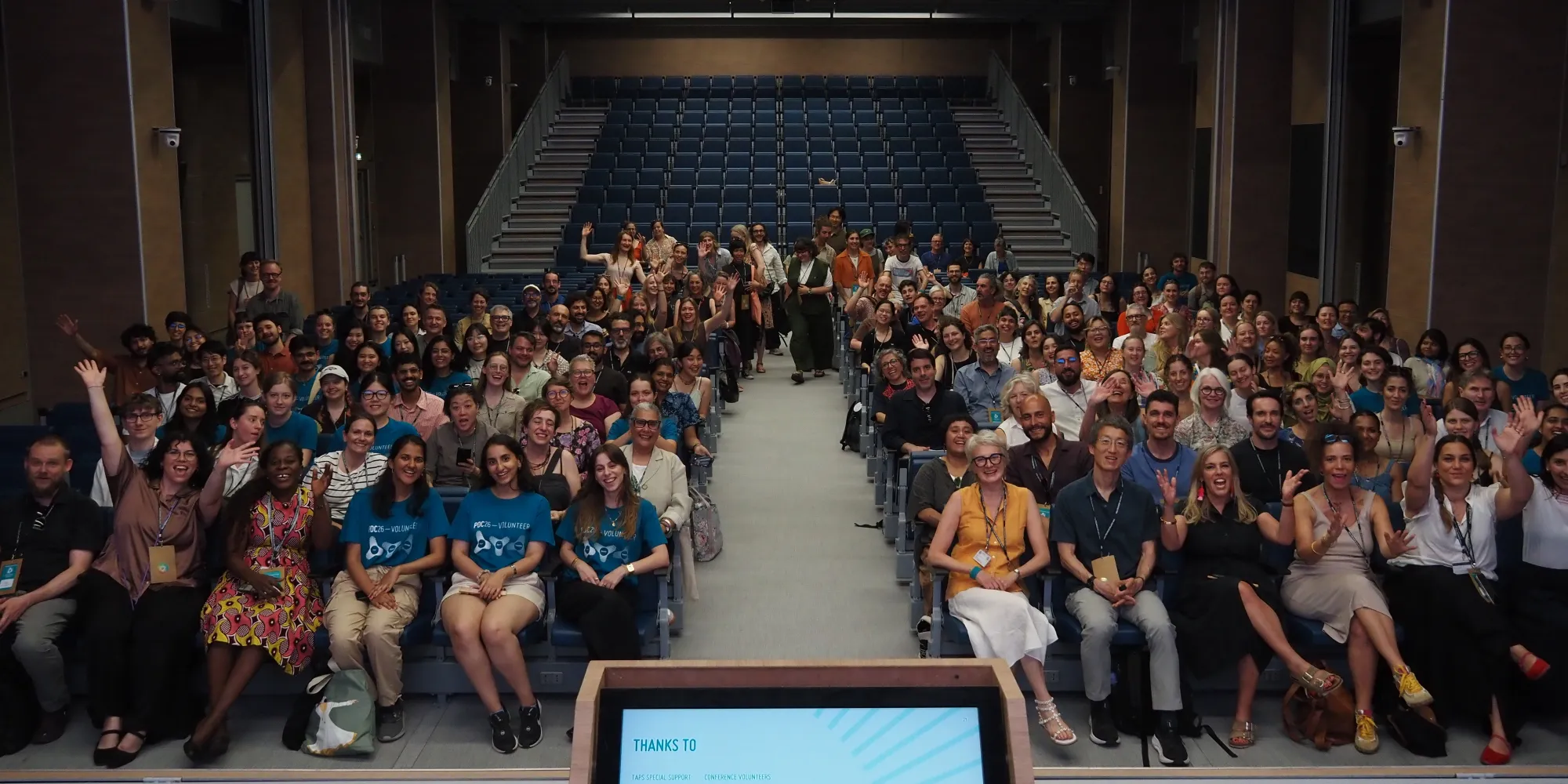
Conference Gratitude

Share on: