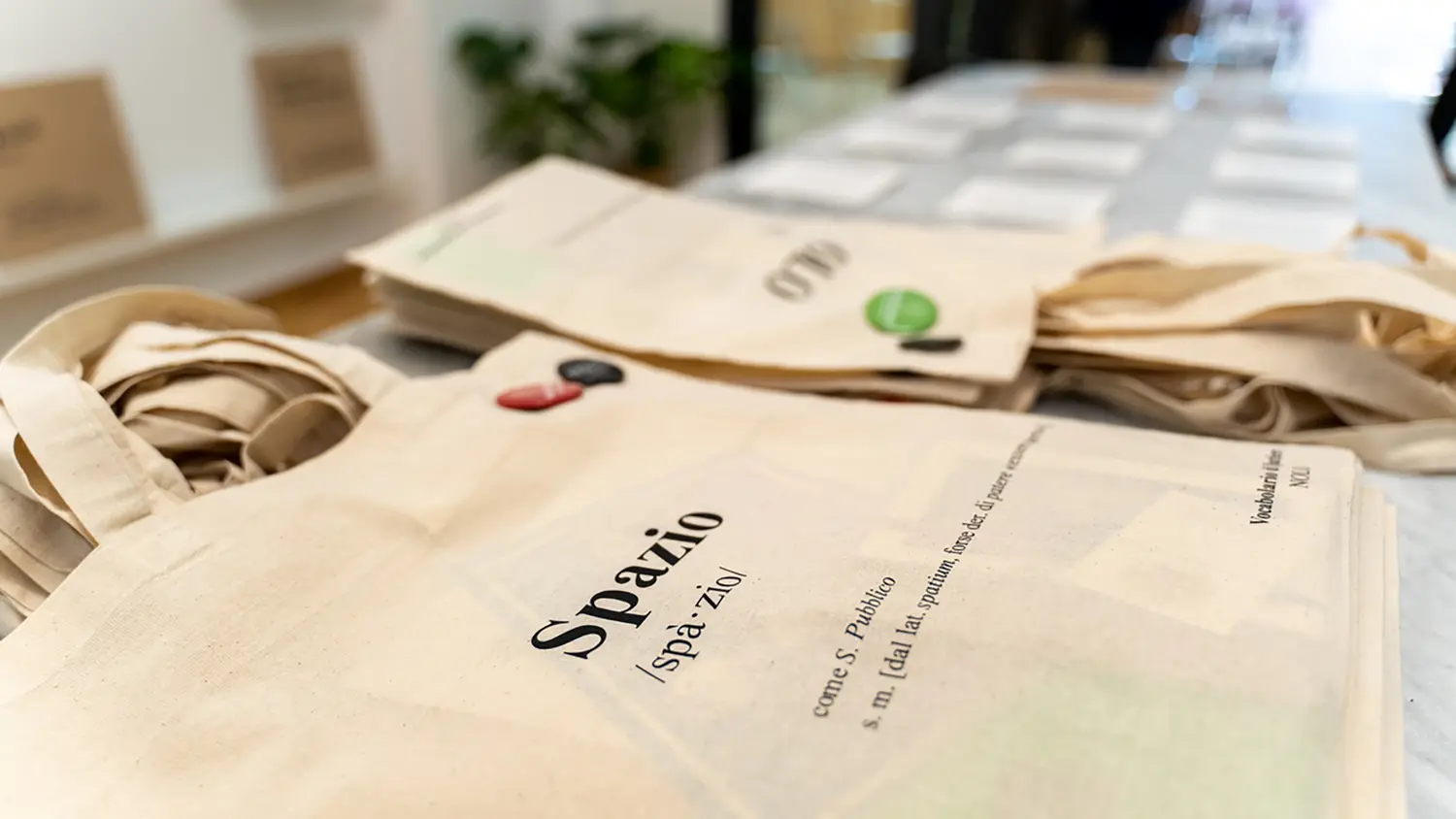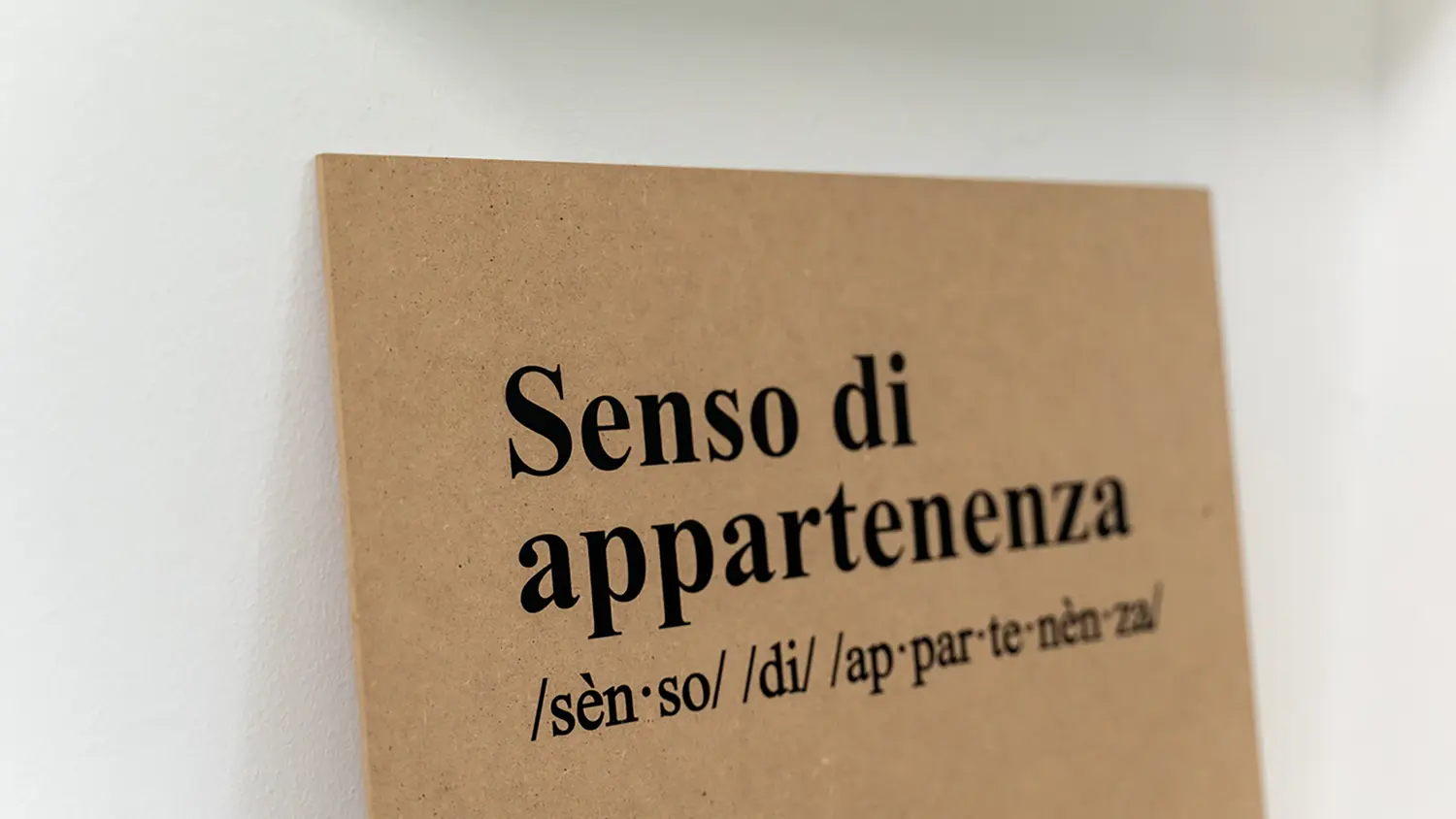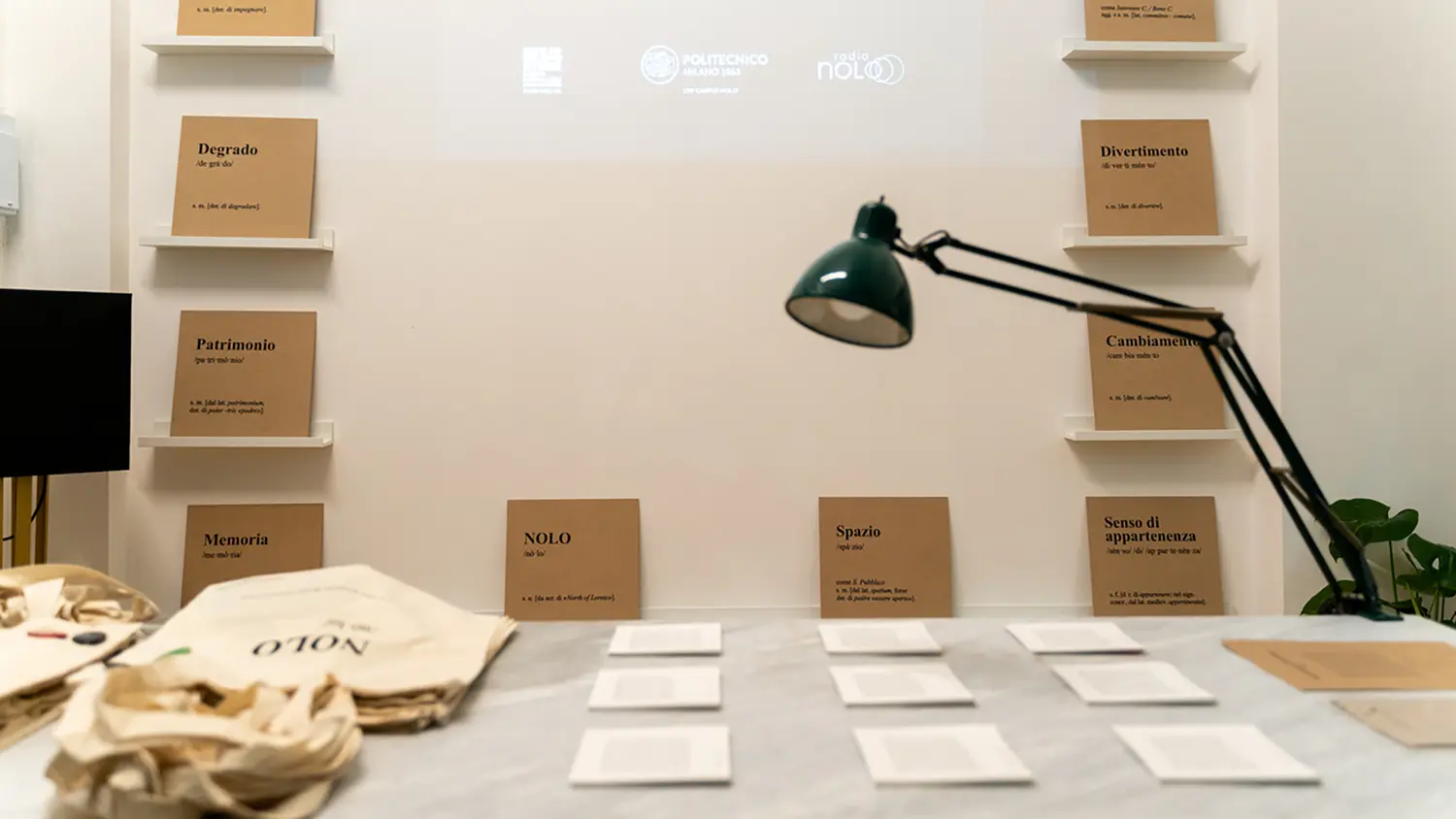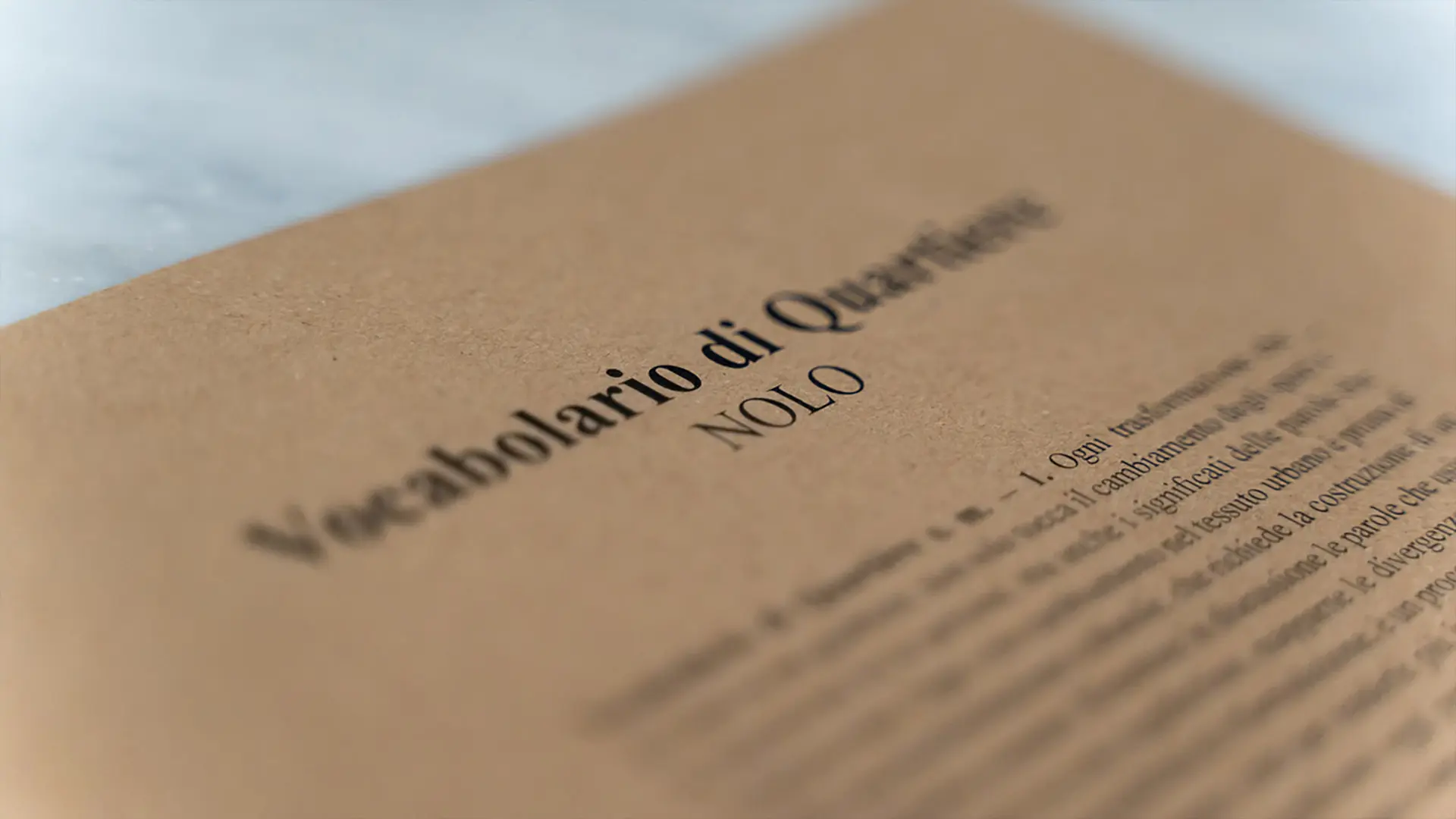
These discussions translate into a genuine vocabulary of meanings shared by the neighbourhood inhabitants through which they explore different points of view, questioning polarisations and critical issues and recognising common interests on which to focus in order to create a more articulated, shared and inclusive neighbourhood plan.
Starting with words chosen by the citizens themselves - such as public space, decline, memory and common good - the vocabulary thus aims to fuel conversations about NoLo needs and potential, and to explore possible new transformative actions to be triggered in the neighbourhood.
The powerful performance of words and their multidimensionality make the “Vocabulary of the Neighbourhood” a tool to unravel conversations on hot topics of everyday urban life, including in the
discussion the different souls and social levels of the neighbourhood, with specific attention to the inclusion of voices that are more difficult to hear in participatory planning processes such as cultural and linguistic minorities, but also children and the elderly. “Vocabulary of the Neighbourhood” also promotes a more eco-systemic design dimension by listening to and integrating "voices" from the natural world, such as plants, animals and other organisms that populate the neighbourhood (although sometimes in a less visible way).