
Coordinated by Professors Eleonora Lupo and Matteo Ingaramo of Politecnico di Milano and SID, together with Lorenzo Imbesi, President of SID, the seminar brought together researchers, academics, industry professionals and institutional representatives. With over 70 projects presented, the initiative explored the relevance of design as a driver of technology transfer and skills development in the fields of digital technologies and ecological transition.
PNRR x Italian Design
Research and Innovation at Politecnico di Milano

The Department of Design of Politecnico di Milano, in collaboration with the Italian Society of Design (SID), organised the National Seminar PNRR x Italian Design, which took place in Milan on 13 and 14 February, 2025. The event was an important opportunity to discuss the impact of research in design, highlighting the projects funded by the National Plan for Recovery and Resilience (PNRR).
The projects, developed in 27 university campuses across the country, addressed several socially relevant themes, including:
- Health and well-being: Innovation to improve the quality of life.
- Production and agri-food supply chains: Sustainable solutions for farming and food production.
- Advanced Manufacturing: Cutting-edge technologies for industry.
- Urban regeneration: Projects to transform cities.
- Big Data: Using data to improve services.
- Fashion and heritage: integrating design into culture and the fashion industry.
- Social and service innovation: Proposals to improve public services.
- Sustainable mobility: Solutions for environmentally friendly transport.
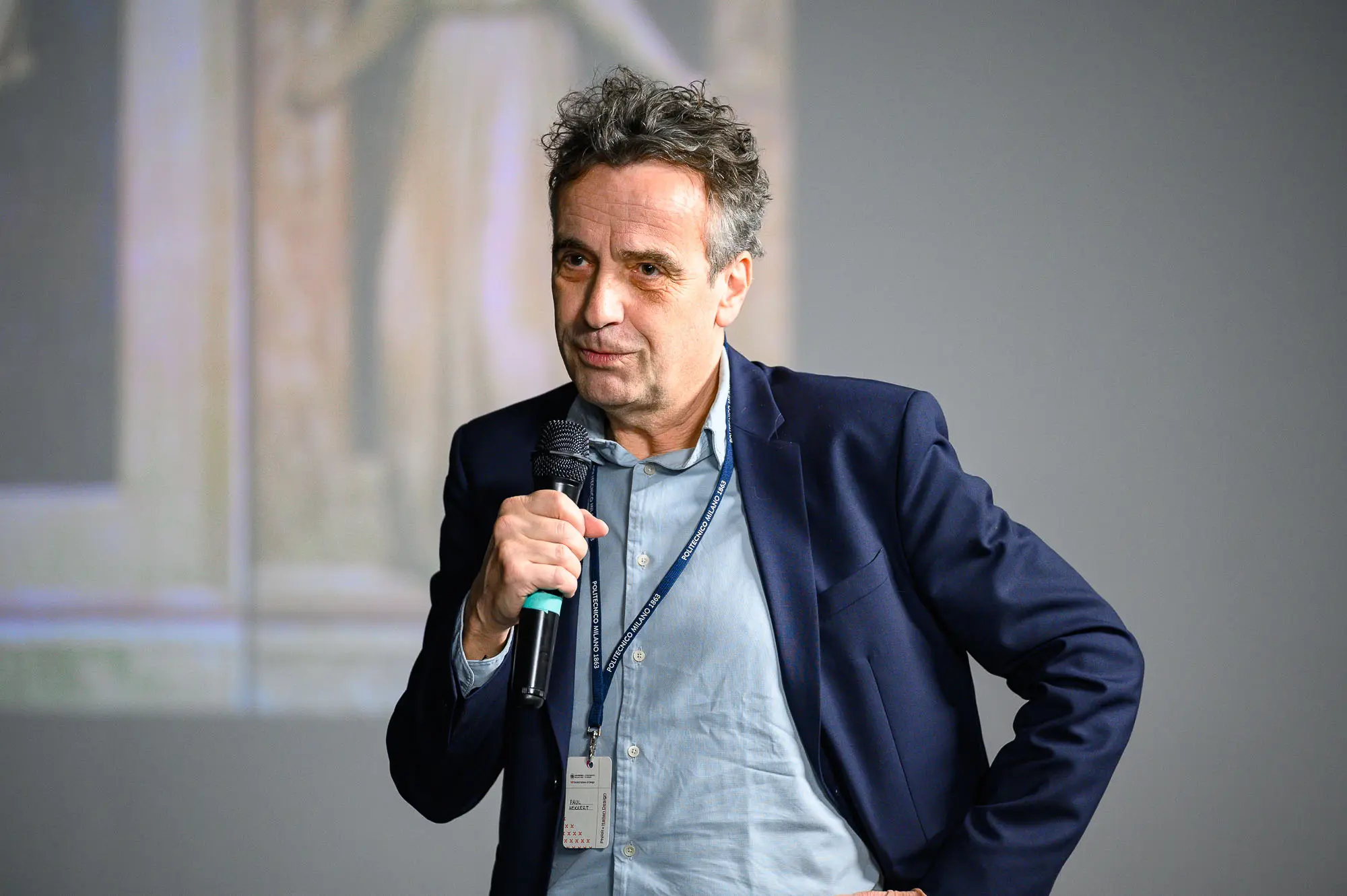
The seminar was structured around two days of activities. The first day opened with institutional greetings from Professors Lupo and Ingaramo, Alessandro Deserti, Director of the Polimi Department of Design, and Presidentre Imbesi. This was followed by a keynote speech by Paul Hekkert, Full Professor at TU Delft.
The entire afternoon was dedicated to the presentation and discussion of the projects in parallel thematic sessions involving all participating projects:
- Design for Institutions and Creative and Cultural Industries
- Design for health, well-being and quality of life
- Design for Circular Materials, Processes and Products
- Design for urban, territorial and agri-food systems
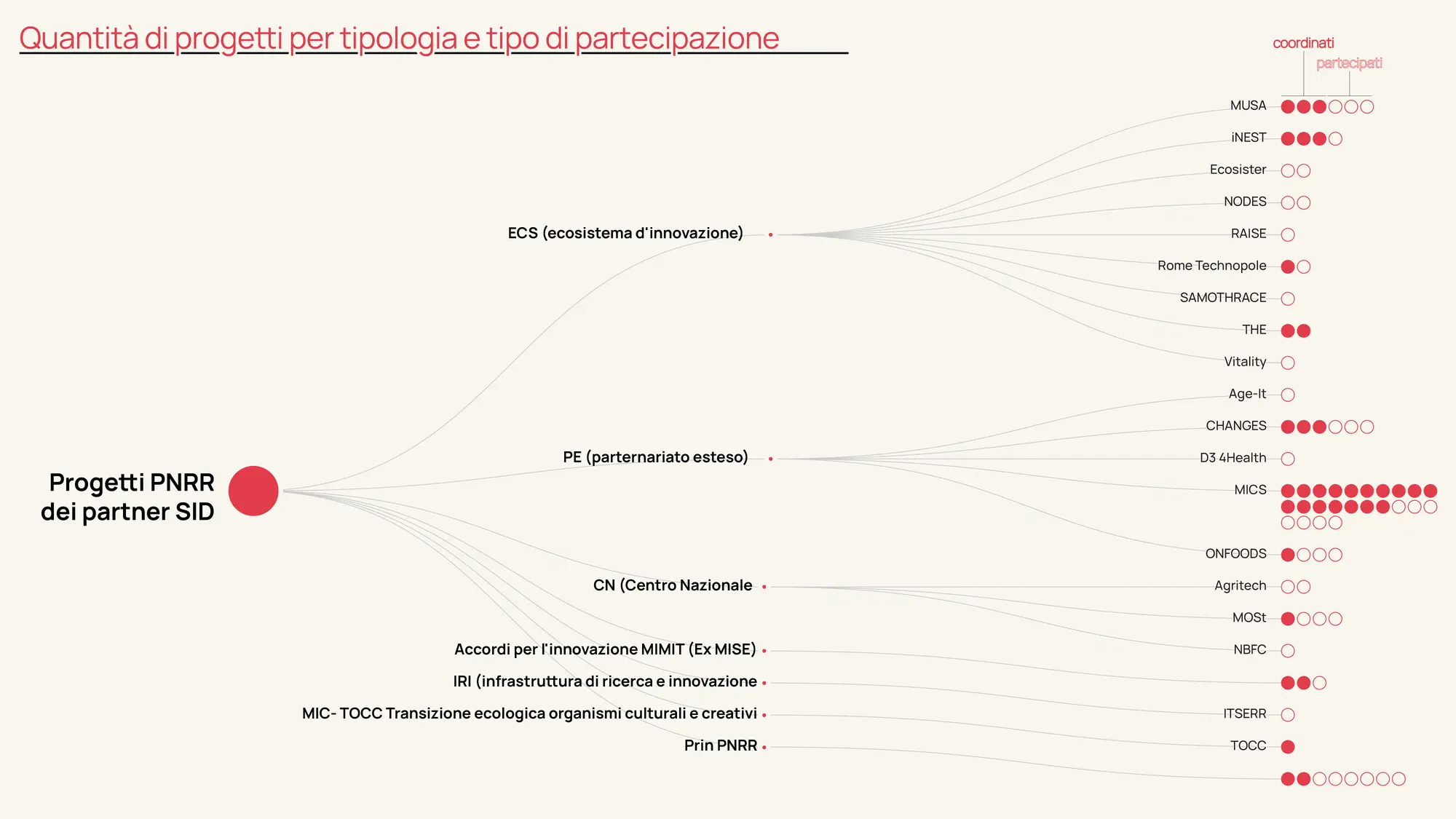
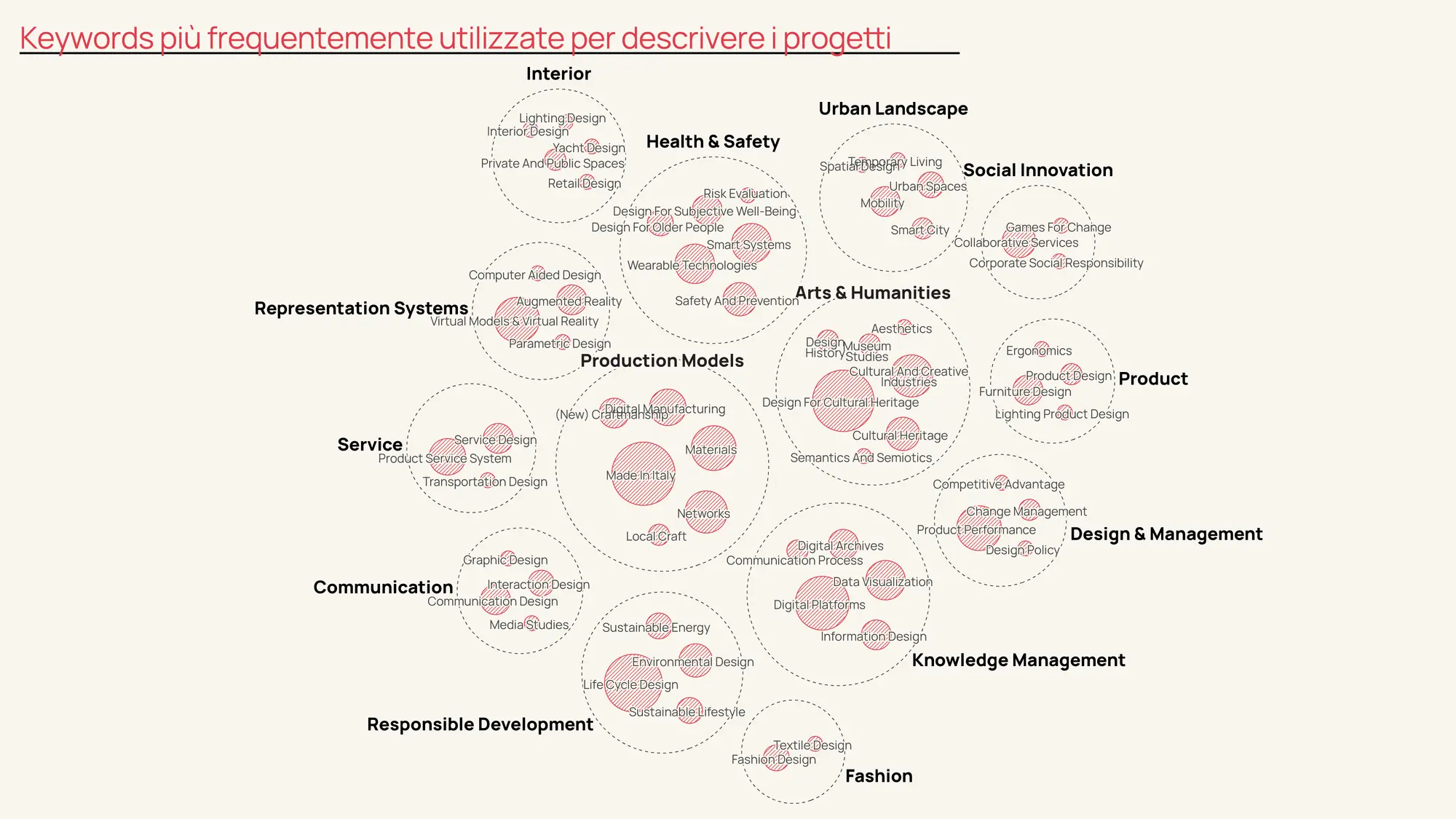
On the second day, summary visualisations of the overall mapping of the projects were presented, including types, locations, staff recruited, areas of intervention and results achieved.
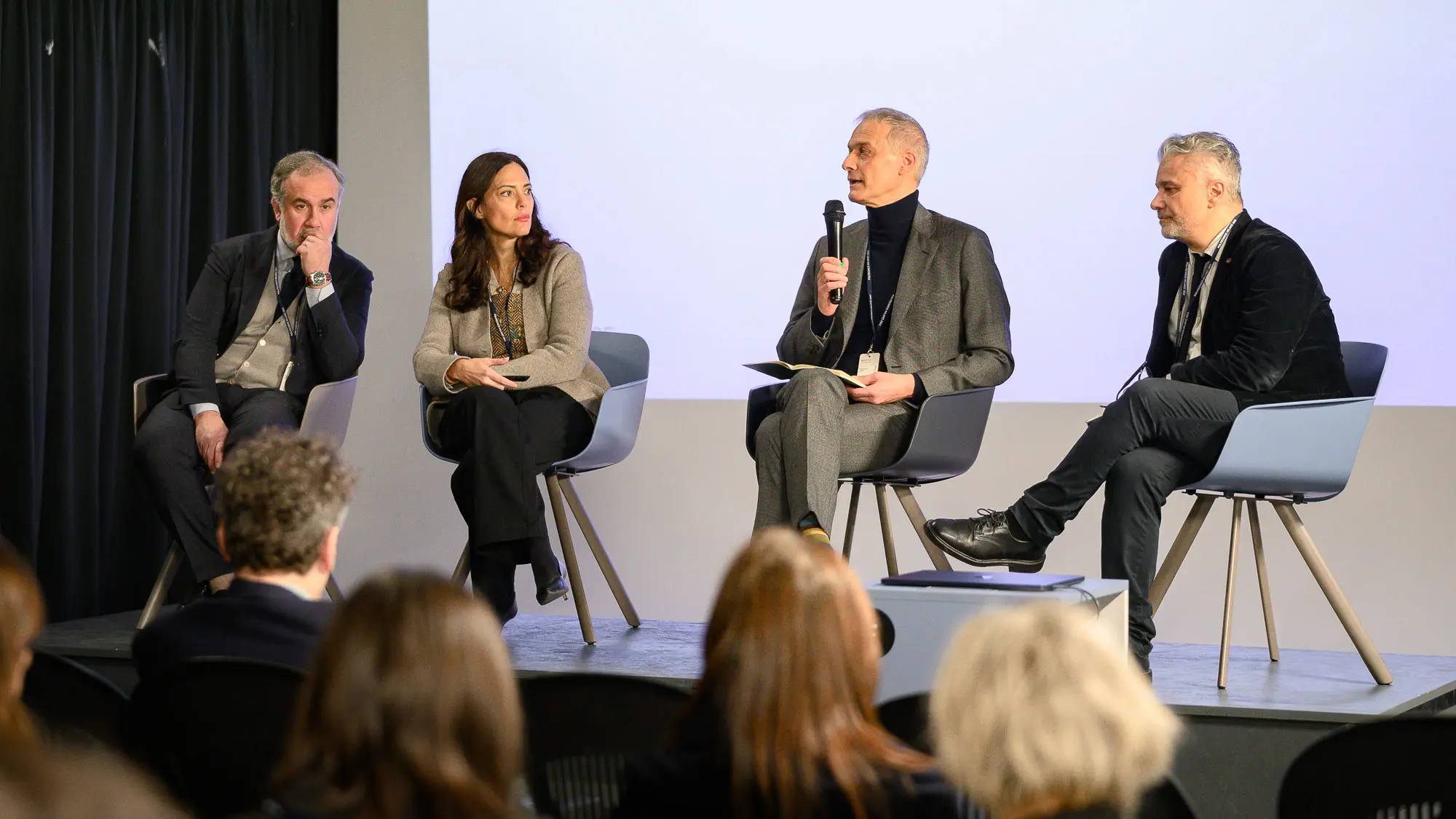
The conference concluded with a round table discussion moderated by Paola Bertola, Deputy Director of the Design Department of Politecnico di Milano, with Giuseppe Lotti from the University of Florence and Marco Barbieri, Secretary General of Confcommercio Milano - Directorate for Institutional Relations. Francesca Galli, Head of the Cabinet and Technical Secretariat of the MUR, Donatella Proto, Director of the PNRR Mission Unit at MIMIT, and Tullio Tollio, expert of the Horizon Europe Programme Committee, Cluster 4 Digital, Industry and Space at Politecnico di Milano, also took part in the round table.
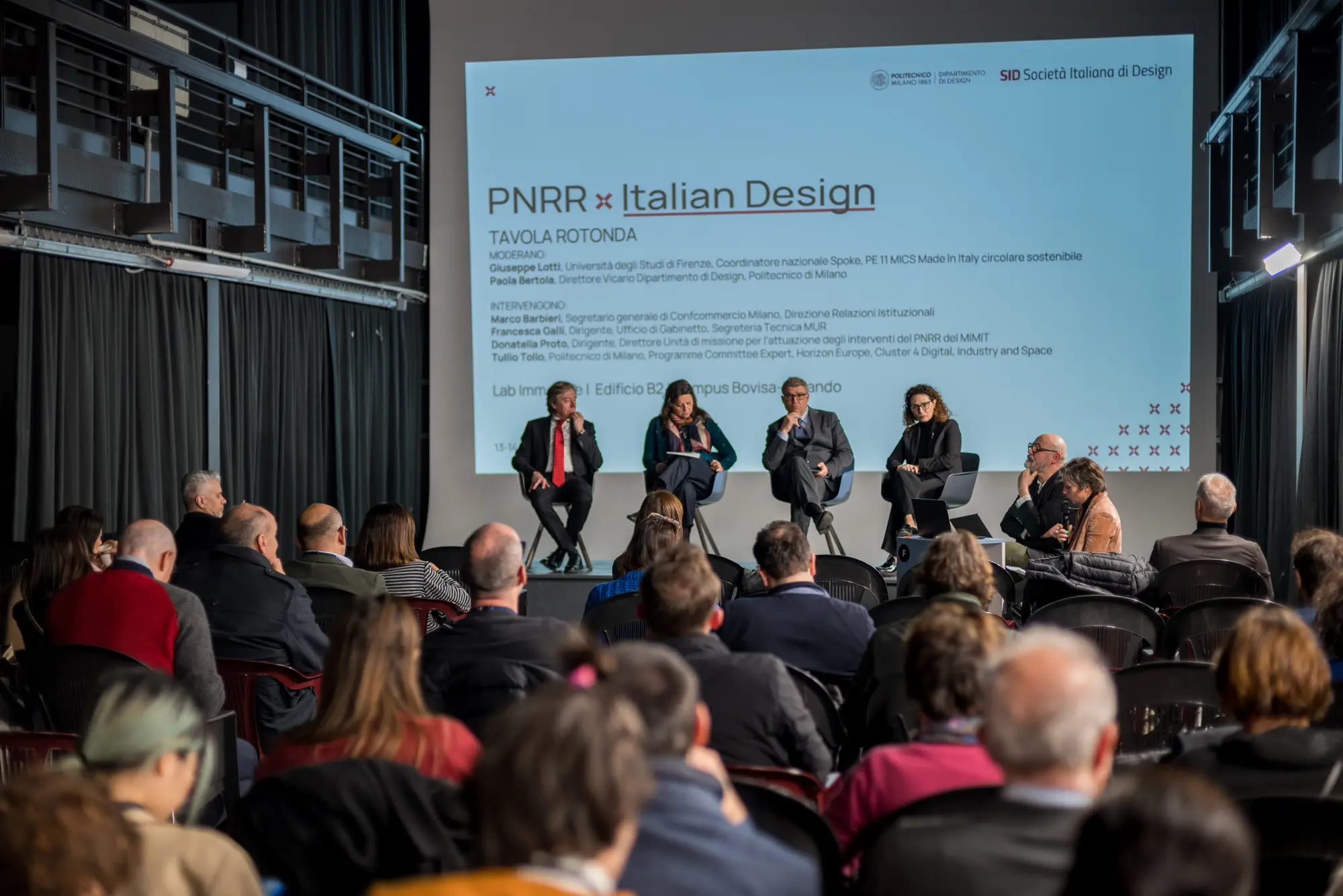
Through activities and debates, exchanges and opportunities for discussion, a constructive dialogue was fostered between different realities, highlighting the challenges, critical issues and opportunities of design in the Italian context. It also addressed the future challenges and critical issues that the Academy will face at the end of the National Recovery and Resilience Plan (PNRR), as well as the potential impact of these dynamics on public policy and industry.
The agenda of the event is attached, listing all the projects presented.