Compasso d’Oro ADI 2026

Recognising Excellence in Design and Design Culture at Politecnico di Milano

The 29th edition of the ADI Compasso d’Oro marks another significant achievement for the Department of Design and the School of Design at Politecnico di Milano, reaffirming the University’s position as one of the leading international centres for design culture and research.

The Compasso d’Oro awarded to the Salone del Mobile.Milano Annual Report 2024 – (Eco)Sistema Design Milano, together with the numerous Honourable Mentions and recognitions received by faculty members, researchers, and students, reflects the strength of a design community capable of generating impact across research, social innovation, methodological experimentation, and education.

The results achieved in the 2026 edition of the Compasso d’Oro embody a vision of design understood as both a cultural and strategic device: a practice capable of interpreting contemporary transformations, building connections across disciplines, and fostering new relationships between institutions, territories, industries, and society.
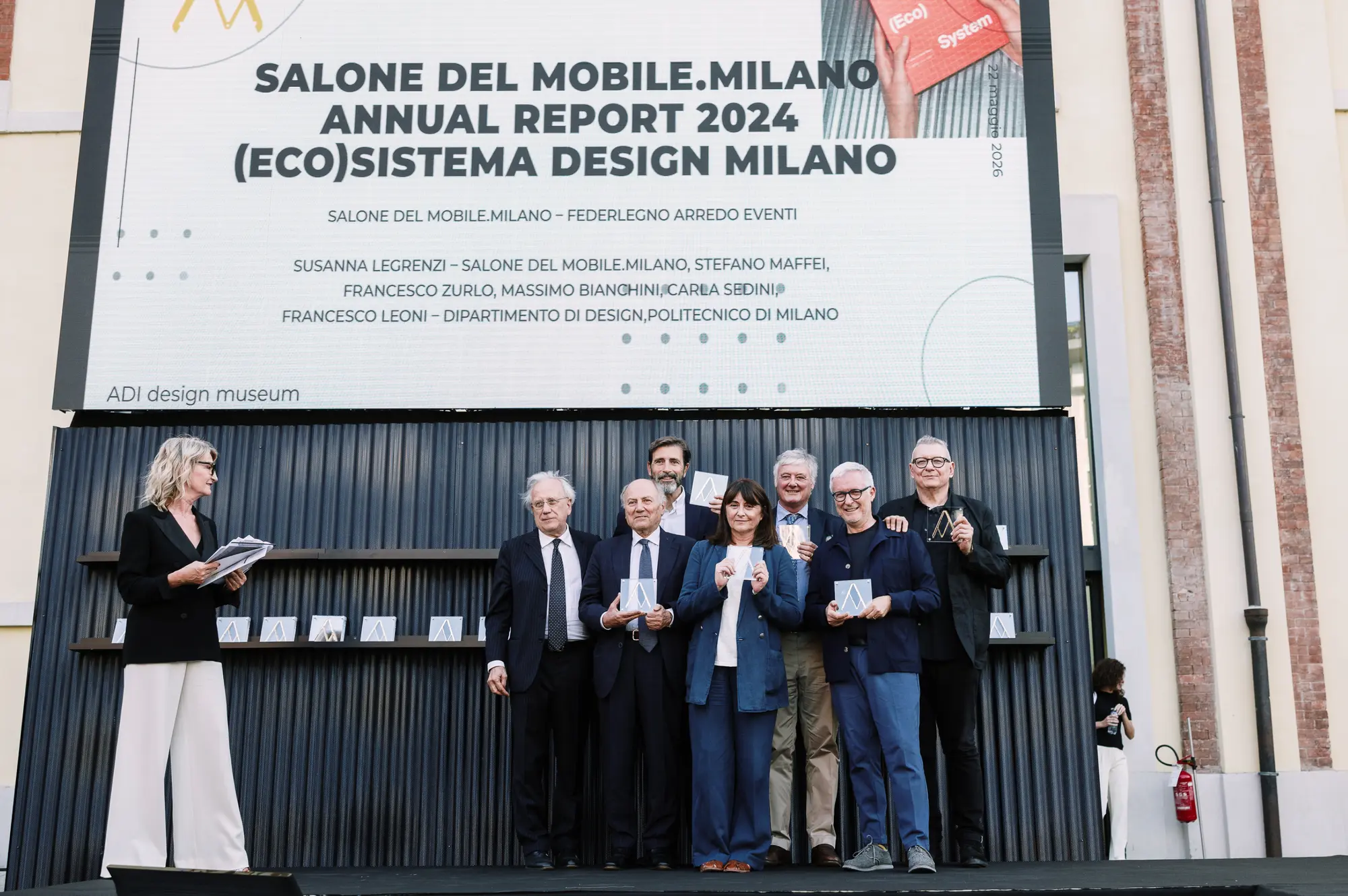
Compasso d'Oro: 'Salone del Mobile.Milano Annual Report 2024 - (Eco)Sistema Design Milano'.

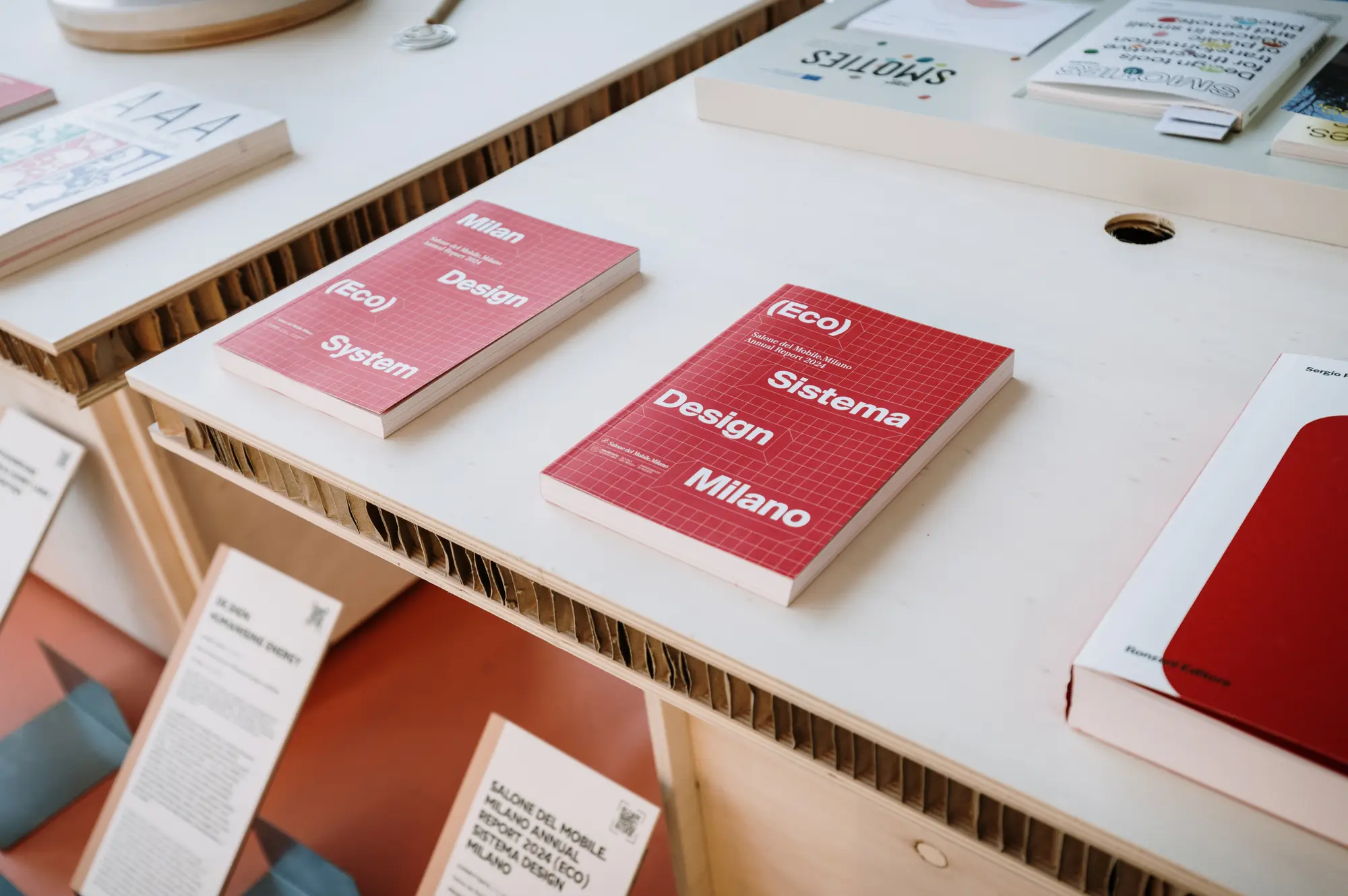
At the centre of this recognition is the Compasso d’Oro awarded to the Salone del Mobile.Milano Annual Report 2024 – (Eco)Sistema Design Milano, a research project developed by Stefano Maffei, Francesco Zurlo, Massimo Bianchini, together with Carla Sedini and Francesco Leoni from the Department of Design, in collaboration with the Salone del Mobile.Milano Observatory. The report introduced a systemic interpretation of the Milanese design phenomenon, framing it not merely as a trade fair event, but as a complex cultural, urban, and economic ecosystem capable of generating widespread impact and cross-sectoral relationships.

'Salone del Mobile.Milano Annual Report 2024 - (Eco)Sistema Design Milano' exhibited at the ADI Design Museum.

The research developed an interdisciplinary framework connecting data analysis, cultural practices, urban dynamics, and social transformations, contributing to new approaches for observing and interpreting the contemporary design system. In this sense, the awarded project demonstrates the Department of Design’s ability to develop advanced research tools that not only analyse the present, but also help shape future scenarios, fostering an increasingly necessary reflection on sustainability, accessibility, and shared responsibility.

Honourable Mention: 'Milano 0.18'. From left to right: Valeria Bucchetti, Umberto Tolino, Pamela Visconti.
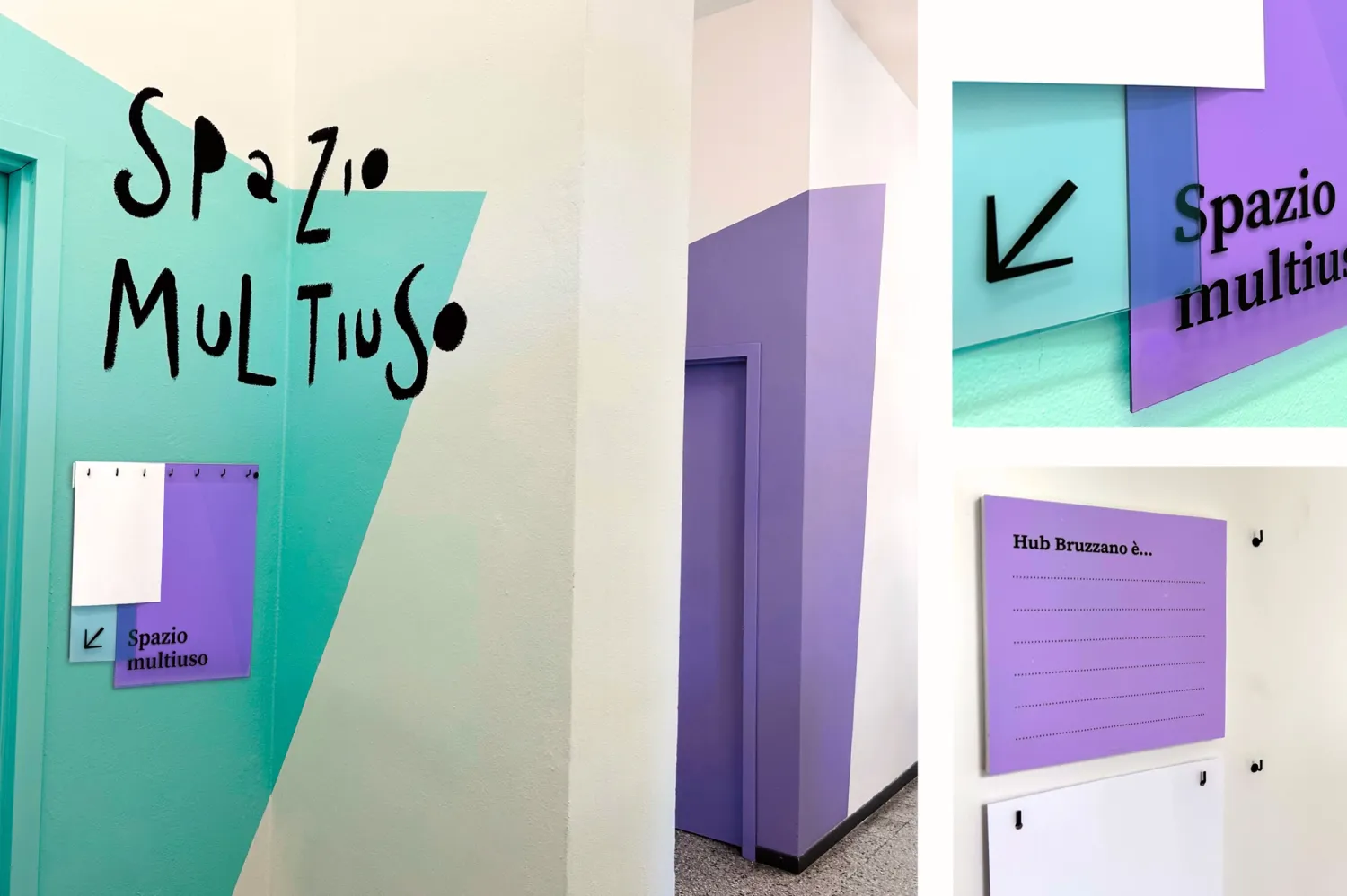
Milano 0.18 Hub for 14–18-Year-Olds.

Alongside the Compasso d’Oro, the two Honourable Mentions awarded to Design Futures Art-Driven Method, by Marita Canina, Carmen Bruno, Tatiana Efremenko, and Eva Monestier, and Milano 0.18, by Valeria Bucchetti, Umberto Tolino, and Pamela Visconti, further highlight the plurality of approaches characterising the Department’s research activities. On the one hand, methodological experimentation aimed at integrating futures thinking, art, and technological innovation; on the other, communication design conceived as a tool for inclusion and civic participation, capable of redefining the relationship between public institutions and younger generations. Although differing in scope and language, both projects share a common vision of design as a critical, relational, and transformative practice.

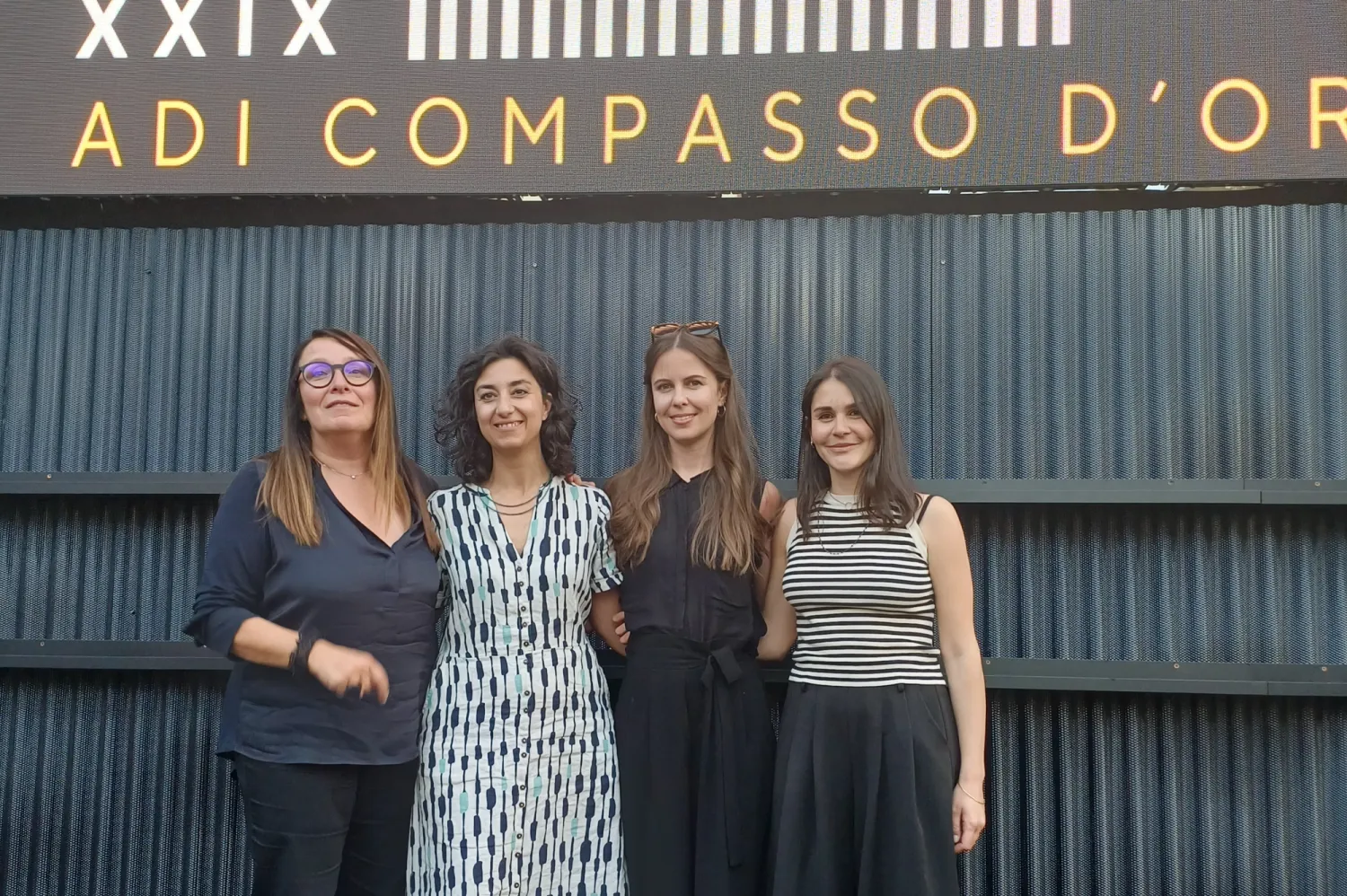
Honourable Mention: 'Design Futures Art-Driven Method'. From left to right: Marita Canina, Carmen Bruno, Tatiana Efremenko, Eva Monestier.
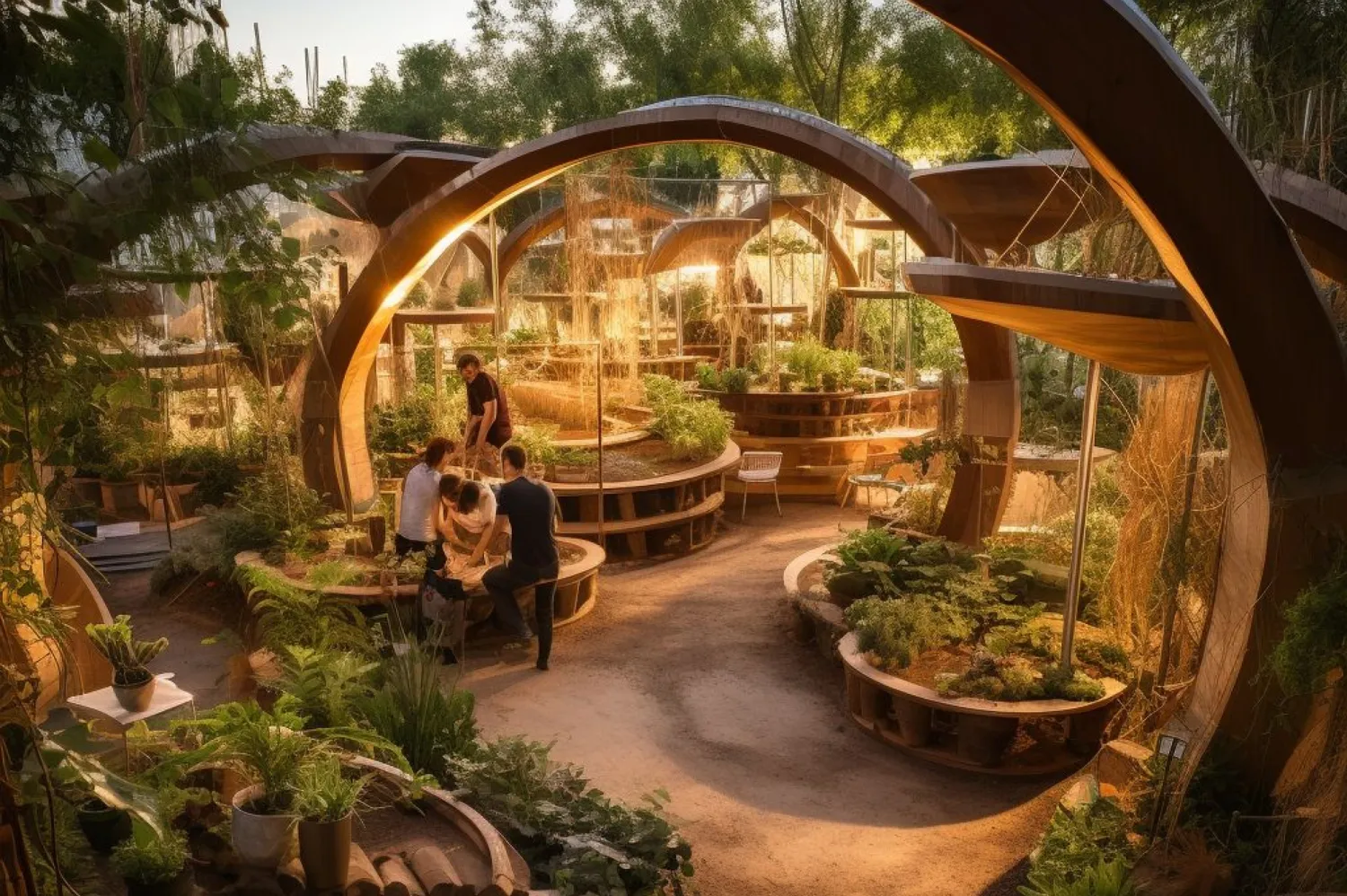
'Urban Holobiont Garden artefact' by Baum & Leahy.

Particularly significant is also the recognition achieved within the Compasso Young section, where Politecnico di Milanoreceived one Compasso Young award and five Certificates of Merit, confirming the quality of its design education and its ability to guide students towards conscious, practice-oriented, and innovation-driven design approaches. The awarded projects addressed themes related to wellbeing, sustainability, care, everyday experience, and emerging contemporary behaviours, demonstrating how educational environments can become spaces for advanced research and experimentation.

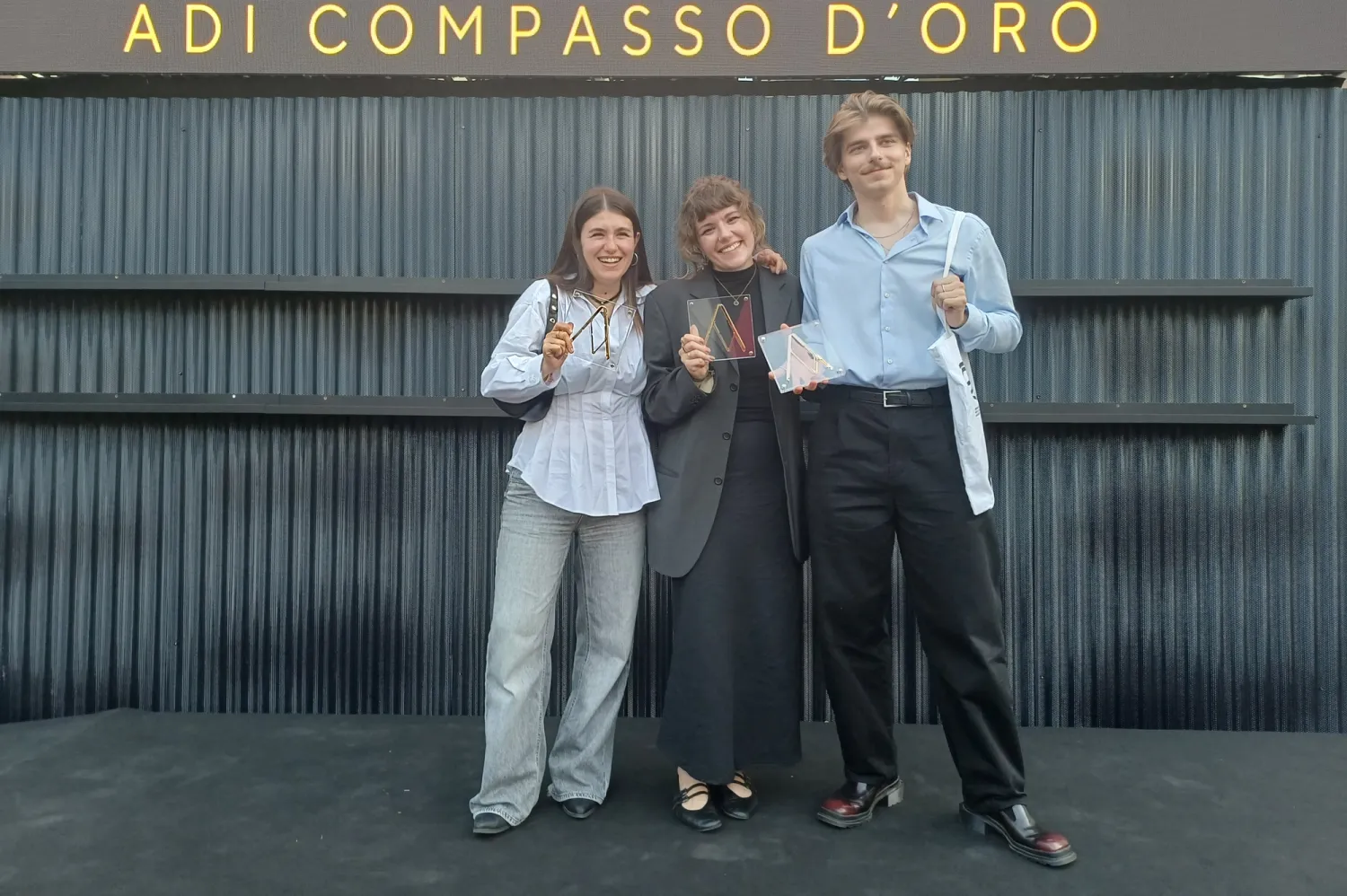
Compasso d'Oro Young: 'Staineraser'. From left to right: Francesca Corona, Beatrice Duina, Filip Malata.
'Staineraser' project.

These achievements acquire even greater significance when considered within the broader history of Politecnico di Milano and its contribution to the development of design culture in Italy. The Compasso d’Oro Career Award conferred upon the University in 2011 had already acknowledged its pioneering role in introducing design education at the academic level; today’s recognitions reaffirm both the continuity and evolution of this tradition, consolidating the Department and the School of Design as centres of cultural production capable of combining research, education, and social impact.

At a historical moment in which design is increasingly called upon to address complex environmental, technological, economic, and cultural challenges, the recognition received at the Compasso d’Oro highlights the value of a vision of design that moves beyond the dimension of the object to emerge as a critical infrastructure of contemporaneity: a space capable of interpreting, mediating, and shaping the future.

Share on: