
The project is part of the Off Campus San Vittore activities and is carried out by the multidisciplinary and interdepartmental research group 'Laboratorio Carcere' of Politecnico di Milano, which includes the Department of Architecture and Urban Studies and the Department of Design with the figures of Francesca Piredda, Mariana Ciancia, Chiara Ligi, and Maria Maramotti, and which has been working in a network with other realities on the theme of prison for over a decade.
ReverseLab
A space for contemporary art between the prison and the city
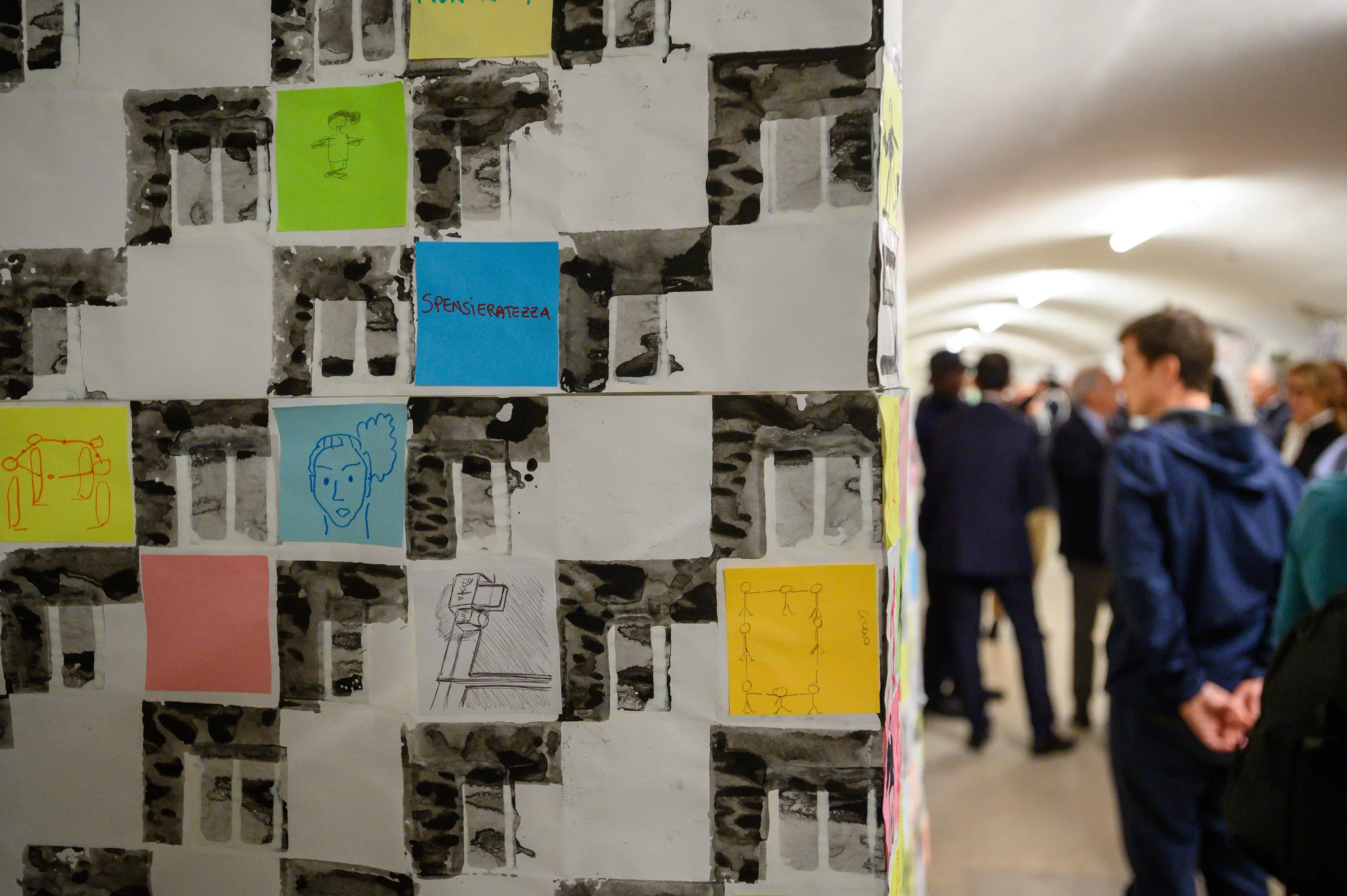
The ReverseLab space was inaugurated in Milan's San Vittore 'Francesco Di Cataldo' prison, born from the synergy between the prison, Politecnico di Milano and PAC Padiglione d'Arte Contemporanea, made possible by the contribution of Fondazione di Comunità Milano and realised in collaboration with Forme Tentative and Philo - Pratiche filosofiche.
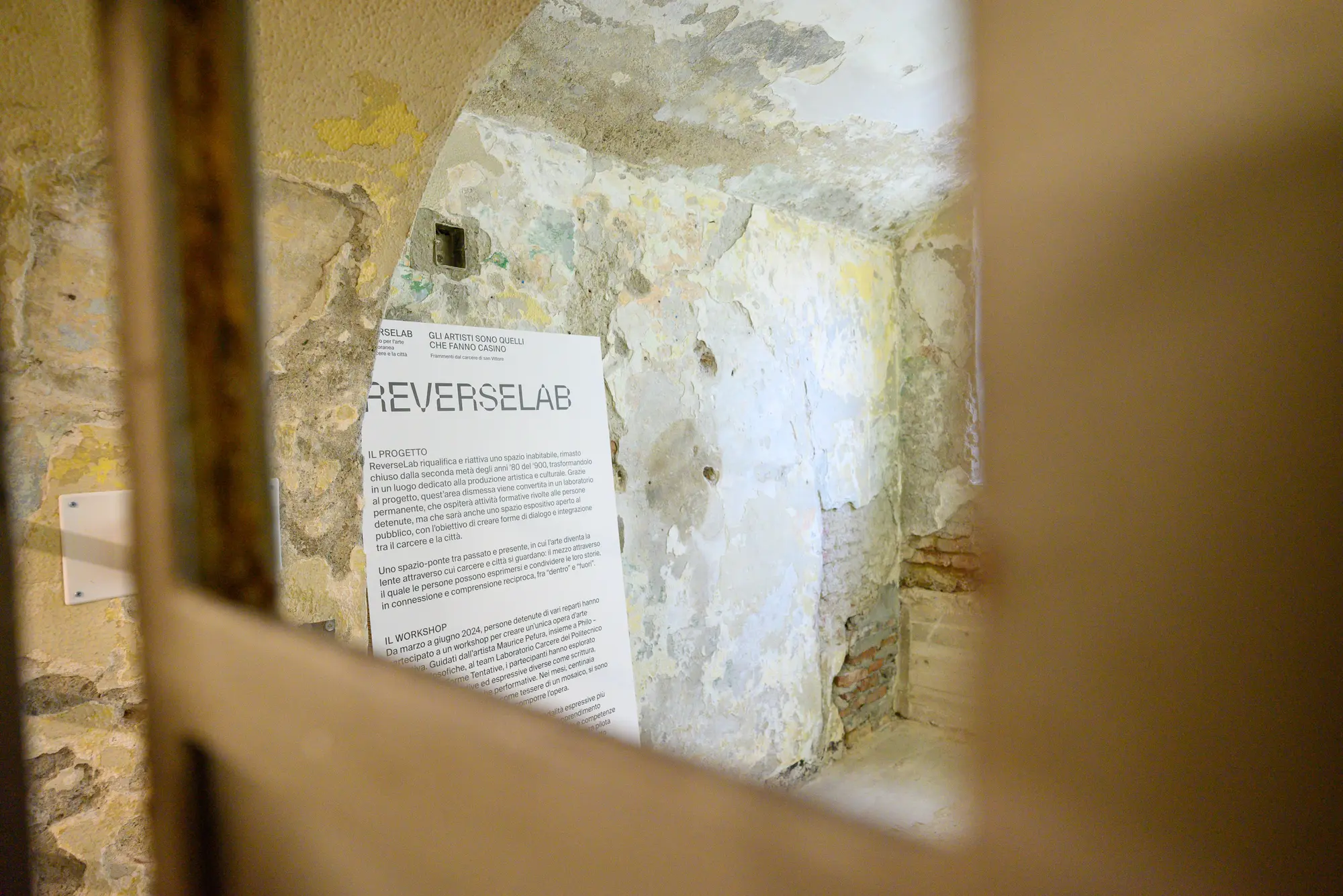
ReverseLab redevelops and reactivates a now uninhabitable space — a gallery in the basement of the first ray of San Vittore prison, closed since the second half of the 1980s — transforming it into a place dedicated to artistic and cultural production. Thanks to the project, this disused space will become a permanent workshop for the training of inmates, but also an exhibition space open to the public, with the aim of creating forms of dialogue and integration between the prison and the city.
«The presence of a permanent design workshop such as Off Campus San Vittore, now active in the ReverseLab project, creates the conditions to think about spaces, but also about people, to tell about another possible prison.»
Giacinto Siciliano, Director of the Milan San Vittore ‘Francesco Di Cataldo’ Prison
The transformed space is returned to the prison for treatment activities, hosting site-specific artworks resulting from the work of inmates participating in workshops held by different artists. The curatorship of the realisation of the works is entrusted to PAC in Milan, which identifies and invites artists capable of dialoguing with the space destined for the project and of collaborating in the creation of a work with the prisoners themselves.
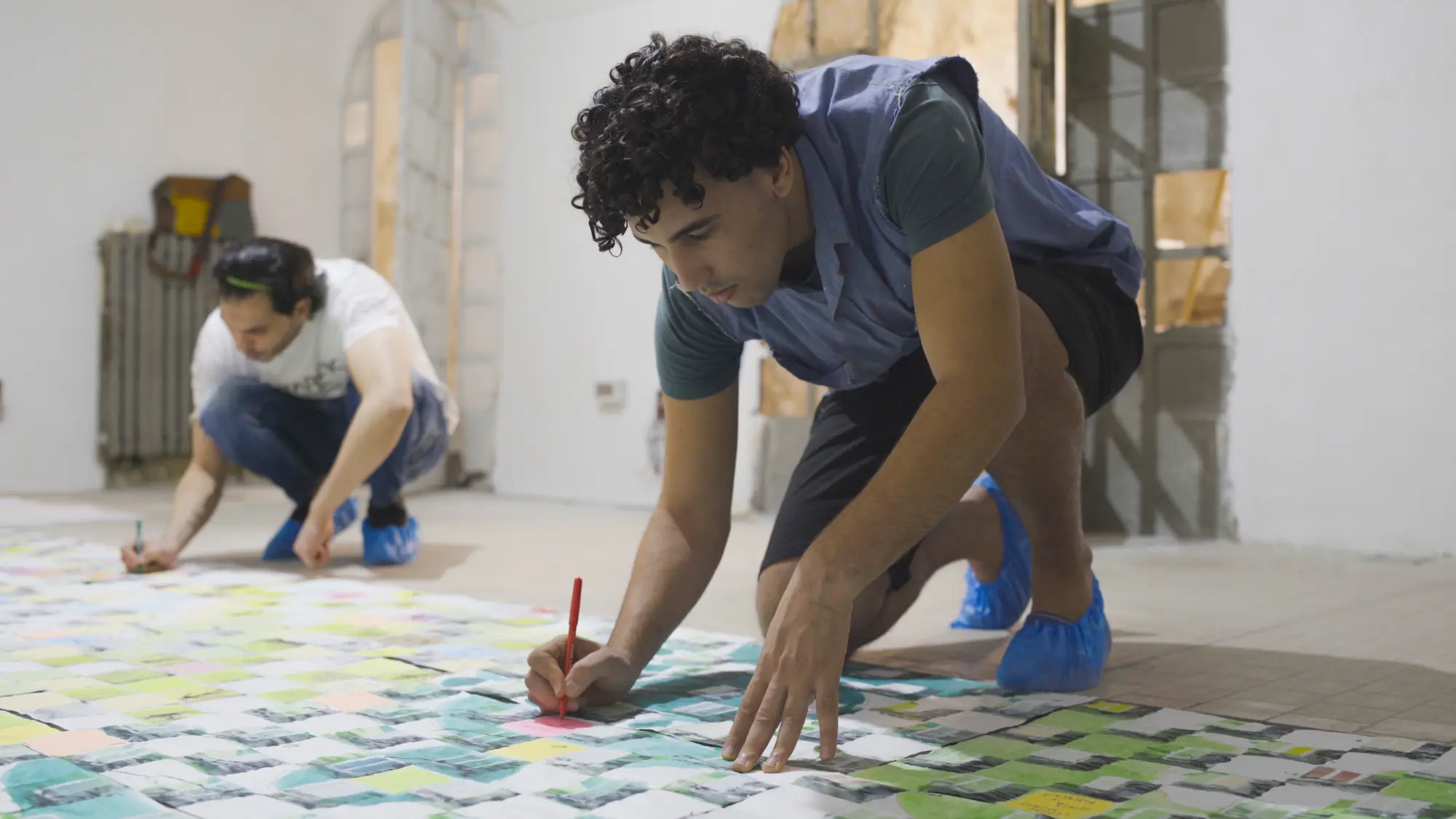
The first workshop
The workshop, aimed at inmates from different departments, took place from March to mid-June 2024. During the meetings between the artist Maurice Pefura, the partners Philo - Pratiche filosofiche, the 'Laboratorio Carcere' team of Politecnico di Milano, Forme Tentative and the participants, multi-material fragments were created by exploring different interpretative and expressive techniques, such as writing, painting, drawing and performance practices, with the aim of intercepting expressive modes in accordance with the personal abilities and will of each person and creating a collective work of art.
On the one hand, the art workshop represents a multidisciplinary learning path, where the open and inclusive approach promotes personal growth and the acquisition of skills useful for reintegration into society; on the other hand, it has an experimental value as a pilot experience for the subsequent six-monthly editions. Each edition will be temporary, lasting about six months, and will involve a different artist and the gradual transformation of a part of the basement. The space will gradually be taken over by art and quality of life.
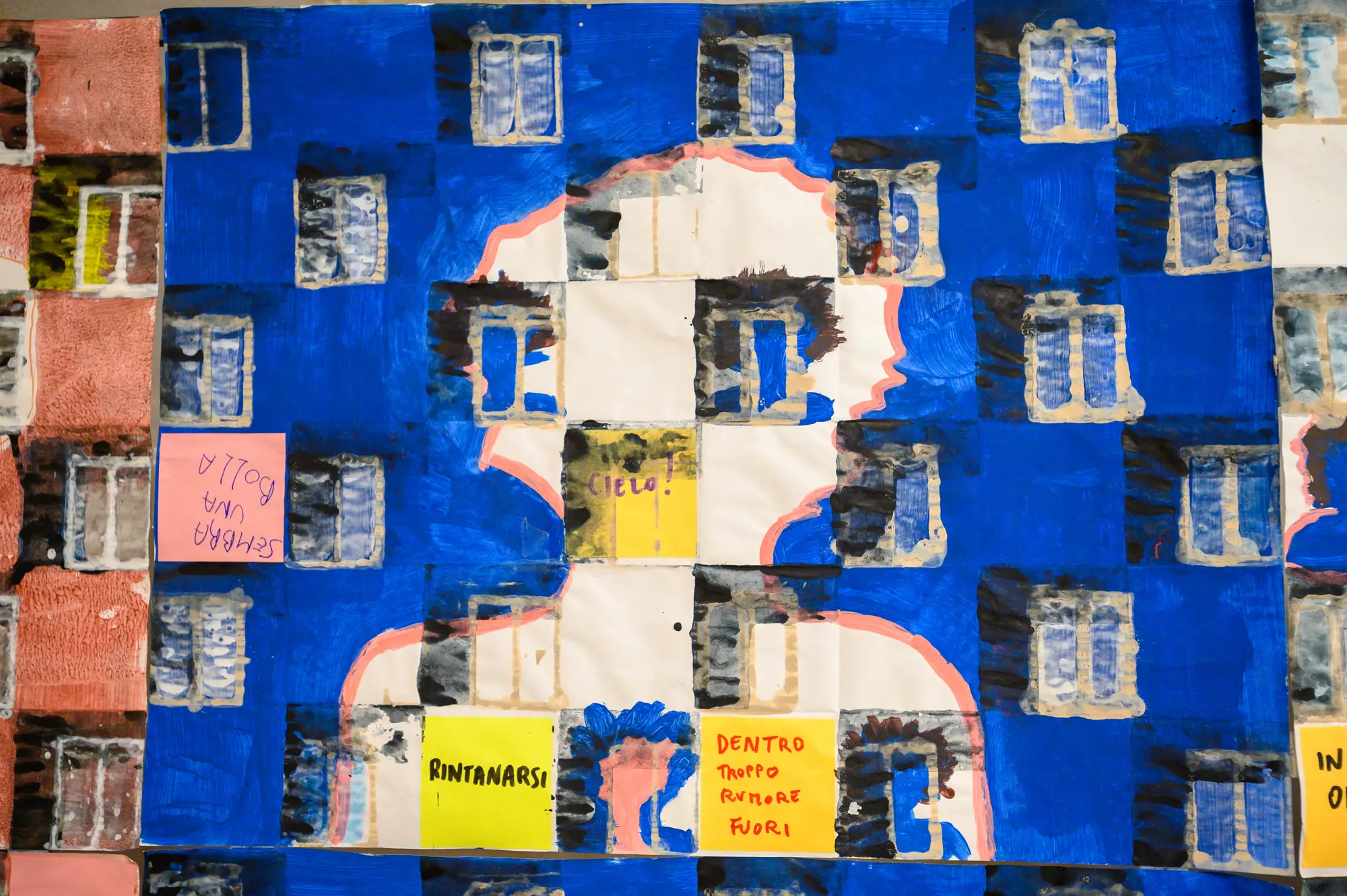
Artists are the ones who make a noise
The site-specific work of the first edition ReverseLab works on the relationship between inside and outside and between body and space, through the construction of an unprecedented landscape within the main exhibition gallery. The countless fragments that make up the work are created by prisoners under the guidance of artist Maurice Pefura, with the artistic curatorship of Diego Sileo (PAC Padiglione di Arte Contemporanea Milano).
The result is the exhibition entitled ‘ARTISTS ARE THE ONES WHO MAKE NOISE. Fragments from San Vittore Prison’, which consists of the assembly of thousands of expressive fragments on paper tesserae and other materials: phrases, thoughts, images, drawings, figures which occupy all the walls of the long gallery and, in this way, convert the closed space into a new urban landscape.
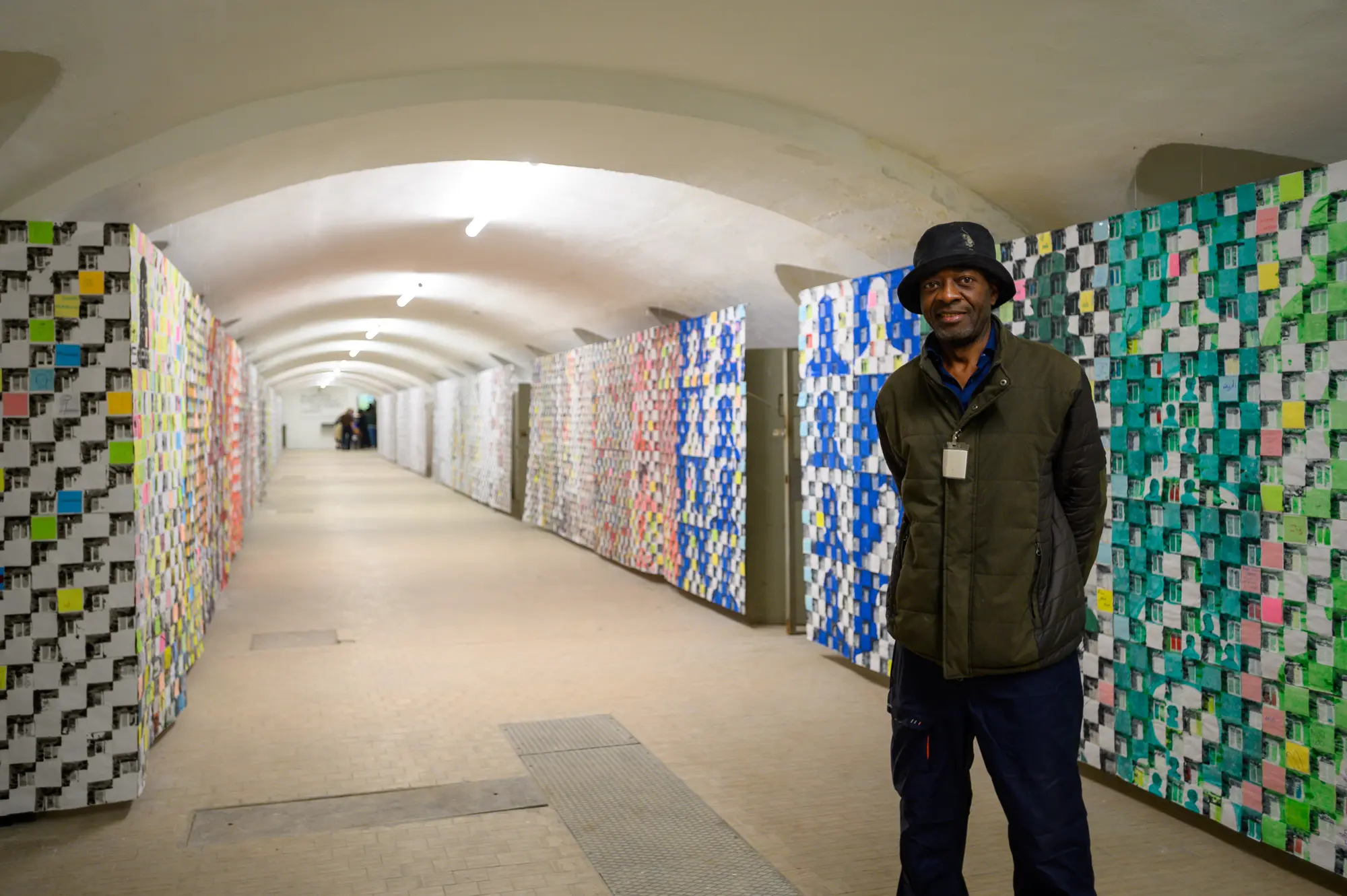
Sound installations and the Memory Room
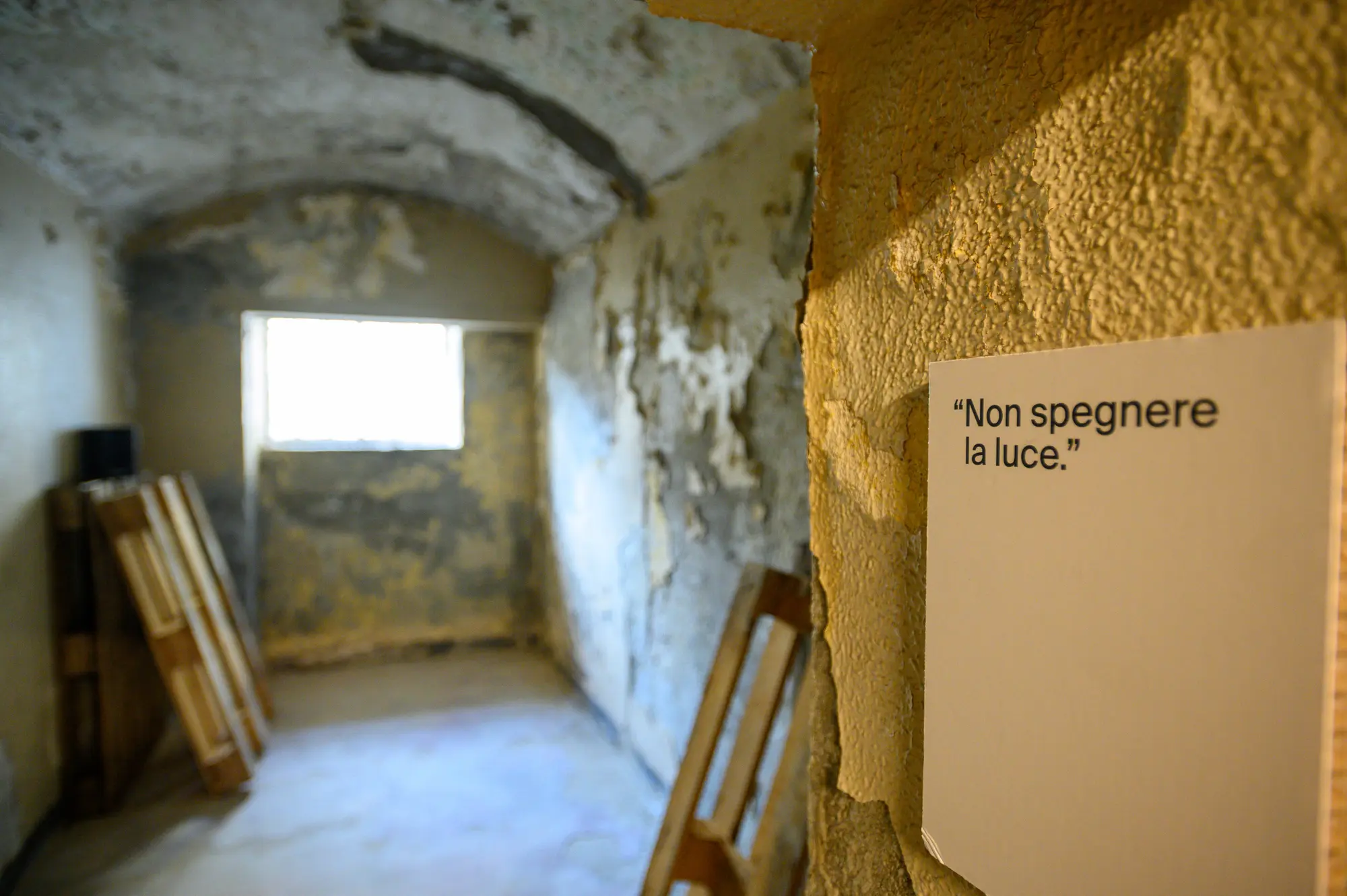
The exhibition is enriched by sound installations with the voices of prisoners echoing in the space of some disused cells. In the cramped cell ‘Sole, dove sei?’ the anguish of the first day in prison is captured, while in ‘Désolé maman’ the voices convey a strong sense of nostalgia and love for the family. In ‘Ho perso la luna’, the relationship with others is told, the daily difficulties and the reversal of the relationship with space, which is very limited, and time, which never seems to flow; ‘Non spegnere la luce’ opens up a glimpse into the future.
On the other hand, a ‘Memory Room’ gives an account of the transformation of the space up to its current form, by means of a video made using the photogrammetry technique and an audio recording of the prison police's testimonies on the history of the prison.
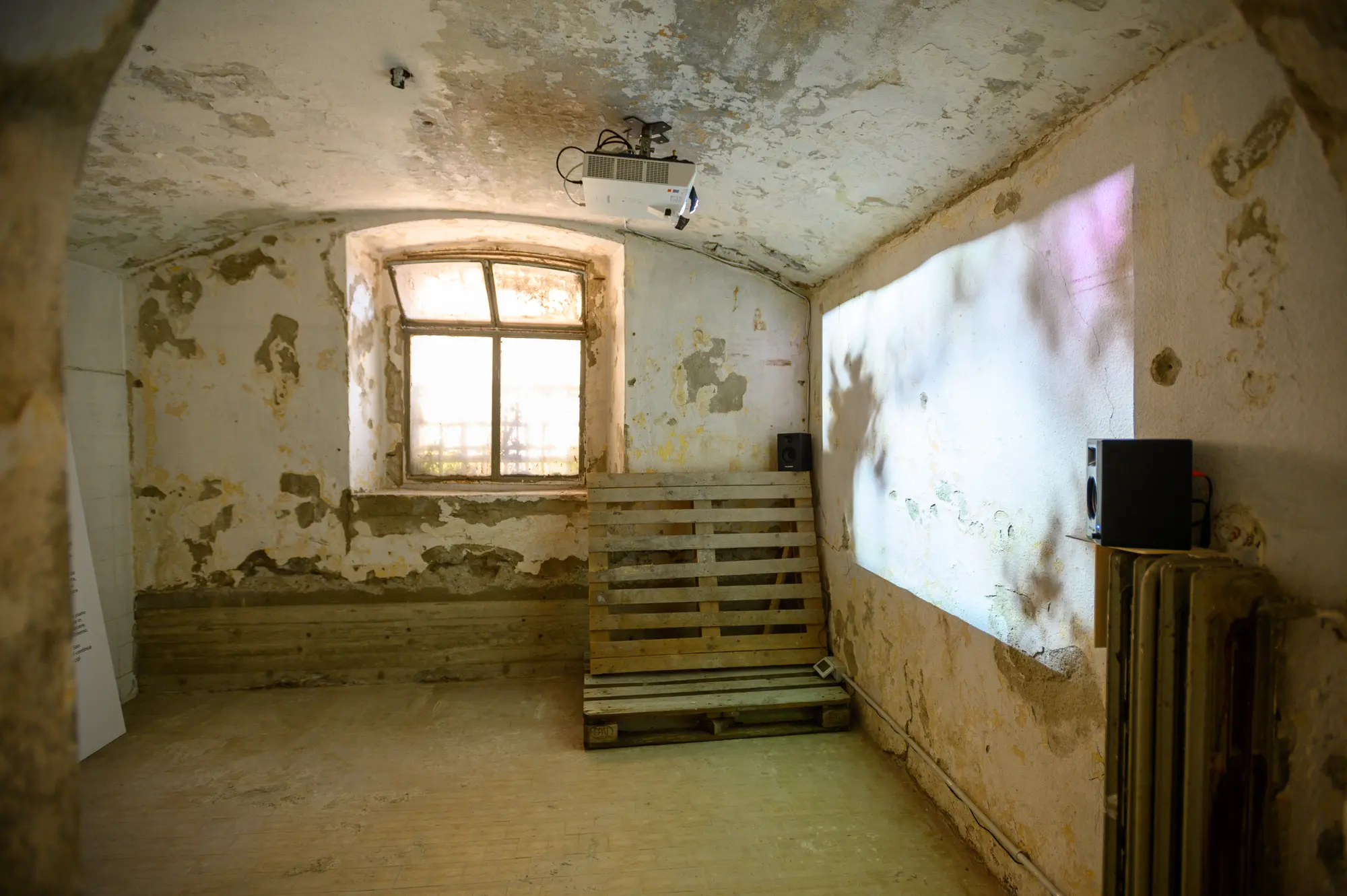
«The Off Campuses, spaces directly managed by the University in four marginal contexts of the city, are proximity devices through which Politecnico di Milano becomes an actor in the most fragile contexts, creating a mechanism that brings innovation to the contexts in which we operate. In the case of San Vittore, the inmates, agents and operators are not users of the project, but active participants who contribute to changing narratives and promoting traces of change.»
Francesca Cognetti, Rector's Delegate to the Off Campus Programme of Politecnico di Milano
OFF CAMPUS | Il Cantiere per le Periferie is an initiative promoted by Polisocial, Politecnico di Milano's social commitment and responsibility programme, which aims to strengthen the Politecnico's presence in the city of Milan through the idea of a more responsible university, attentive to social challenges, open and close to territories and communities.
The exhibition will be open to the public two days a week (Saturdays and Mondays in two shifts from 2pm to 3pm and 3pm to 4pm) from 28 September to 28 October 2024.
To visit the exhibition you must register using this link.
Free guided tours with registration, subject to availability.
You must register at least 10 days before the date of the visit in order to receive a pass for San Vittore.
For group visits or special requirements, please write to: offcampus-sanvittore@polimi.it