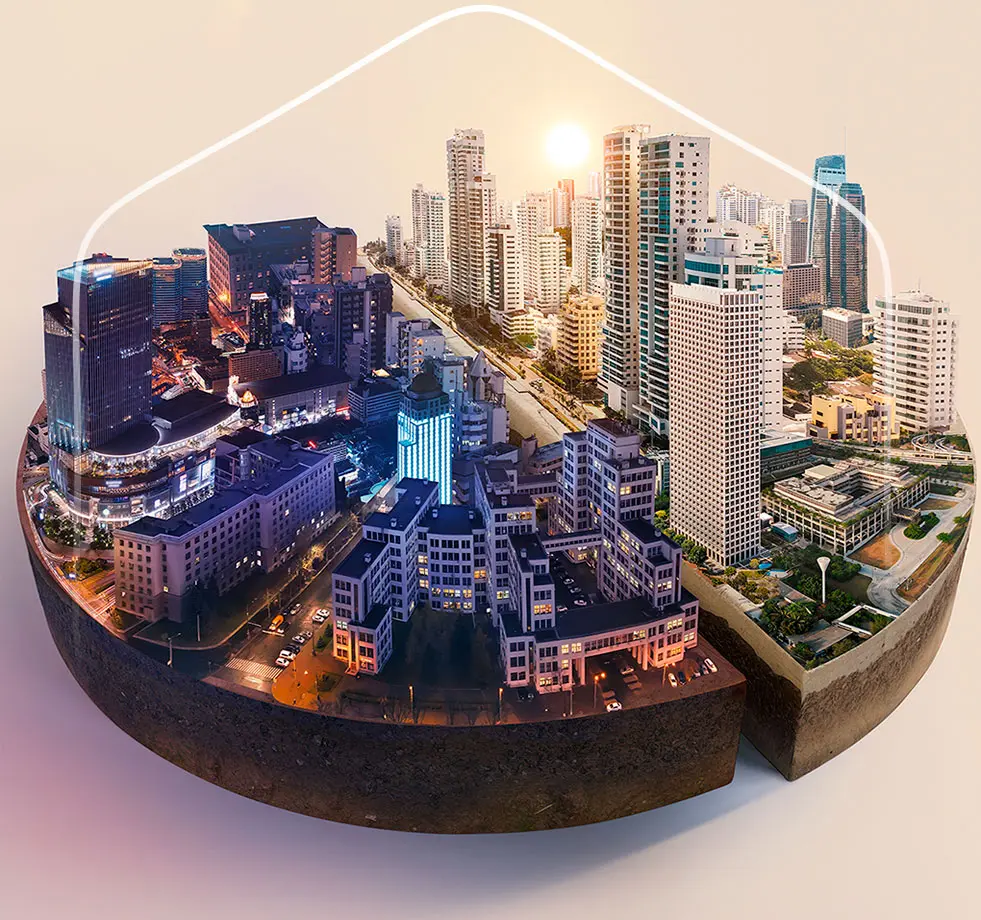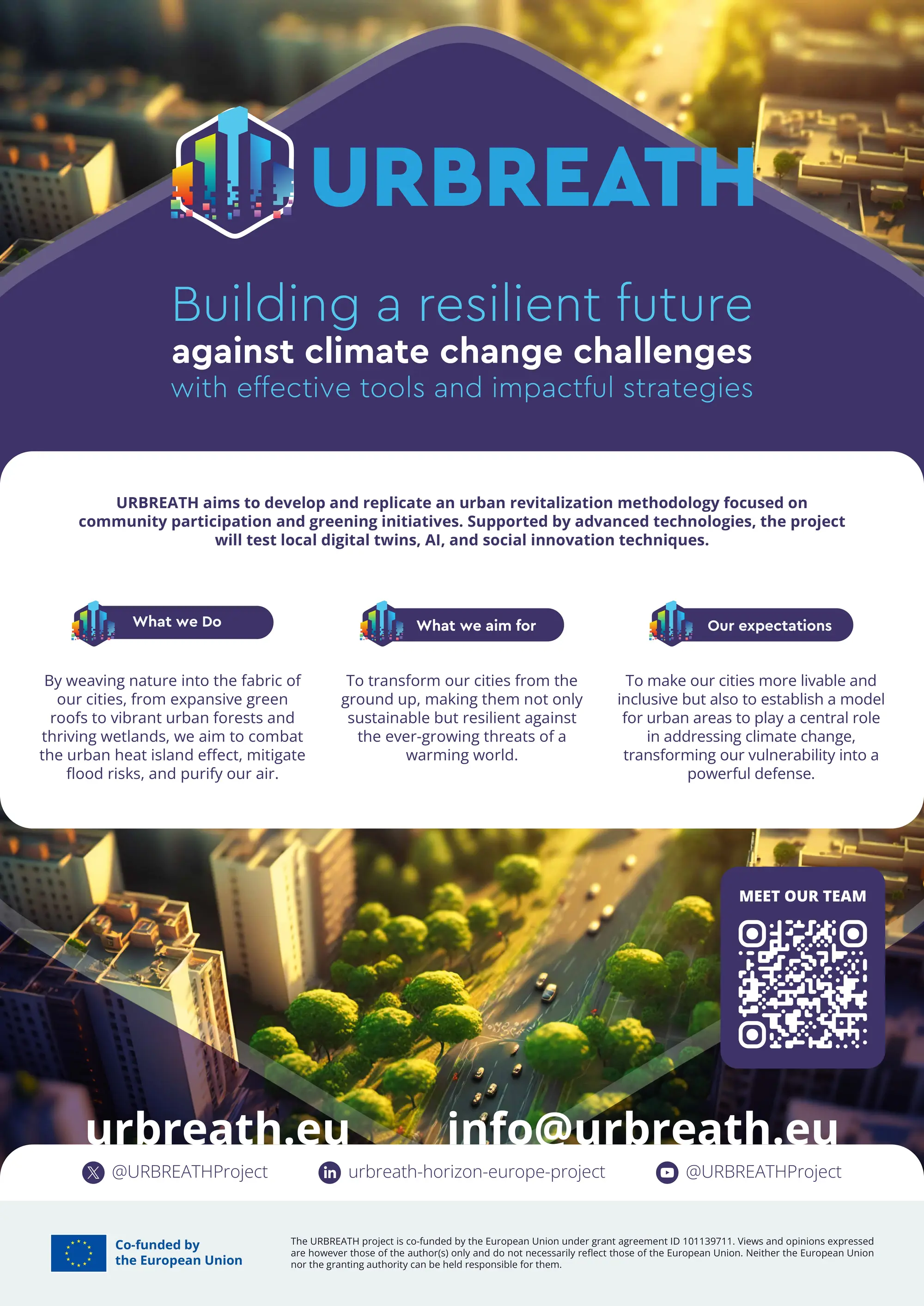
At the heart of this approach is the active participation of the community and stakeholders, with a strong focus on the enhancement of green spaces and the renaturation of urban spaces. The project aims to systemise the practical component of the implementation of green spaces and NBSs in nine pilot areas, with the active participation of citizens in decision-making processes and the digitisation of participation and consultation practices, using digital tools that can contribute to the creation of urban simulations and scenarios (digital twin and e-participation tools).
The project brings together a consortium of 37 partner organisations from 12 countries, including the Department of Design of Politecnico di Milano, and is coordinated by the Lisbon Council for Economic Competitiveness (Belgium).
The research is supported by the use of advanced technologies, which will be continuously developed and tested throughout the project. These include local digital twins, digital tools that replicate physical systems to optimise their operation and improve decision-making, and artificial intelligence; social innovation also aims to actively involve communities and territories in the identification and implementation of strategies.
The climate neutrality paradigm is at the core of this methodology which aims at regenerating deprived and abandoned areas, brownfields and other problematic sites through physical transformations of the built environment and renaturing interventions that will radically enhance social interactions, inclusion, equitability and liveability in cities.
URBREATH is the result of a collaborative effort involving leading researchers, urban planners, policy makers and technology innovators. The aim is to exploit the full potential of nature-based solutions in different climate zones, each characterised by specific challenges related to climate change.
In this context, the Department of Design is coordinating the development and implementation of the project's methodology, which uses service design methods and tools to develop digital platforms and twins of urban areas that aim to simulate the medium- and long-term impacts of NBSs at the micro scale, assessing their contribution to the quality of the urban environment and the mitigation of climate change problems.