
As of 1 June 2023 the Department of Design of the Politecnico di Milano is responsible for the development of the ekip Observatory, a new Innovation Policy Platform for the Cultural and Creative Industries. Ekip, the European Cultural and Creative Industries Innovation Policy Platform is an international project funded by the European Commission, set up to strengthen the CCI sector, within which innovation processes involve the testing, verification and exploration of ideas in a network or ecosystem composed of many stakeholders. These ecosystems of large and small companies, institutions, organisations, researchers and citizens are needed to develop and test new ideas, attract investors and launch new businesses and activities faster. Within these complex open ecosystems, ekip serves as a support mechanism solution.
ekip
A new Innovation Policy Platform for the Cultural and Creative Industries

Cultural and Creative Industries (CCI) play a key role both in terms of their impact on the economy and as drivers of change and transformation. New innovation policies need to be developed to provide such ecosystems with customised support, facilitating access to finance and incubators.
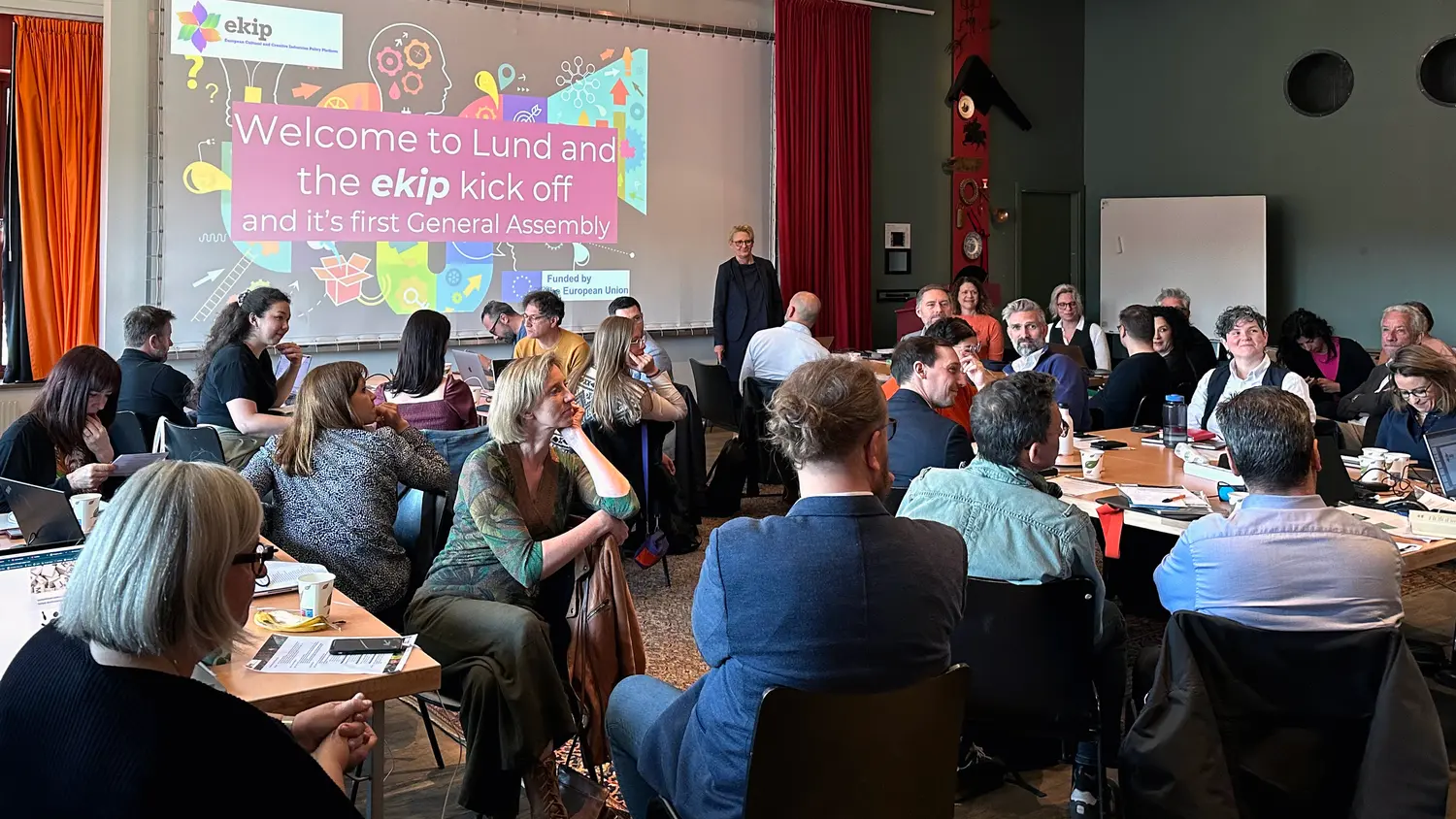
The 17 partners of ekip bring specific expertise to the innovation policy platform. To understand it better, the policy-making process for the development of innovation ecosystems for the creative industries can be compared to a engine. More than 40 Cultural and Creative Industries networks and organisations across Europe are engaged in starting the policy engine, defining and providing it with data on policy areas. The data is then analysed, classified, processed and brought to the Policy Lab. In the lab, new formulations are produced, iterated and tested in the partner cities' ecosystems. The plan is to run 15 such processes through the policy engine. To ensure that policies are scaled and implemented, the final stage of the process is managed by an Observatory. A model called LIEPT (Lund Innovation Ecosystems Portfolio Tracking) is continuously implemented to track the effect of policies in the relevant ecosystems.
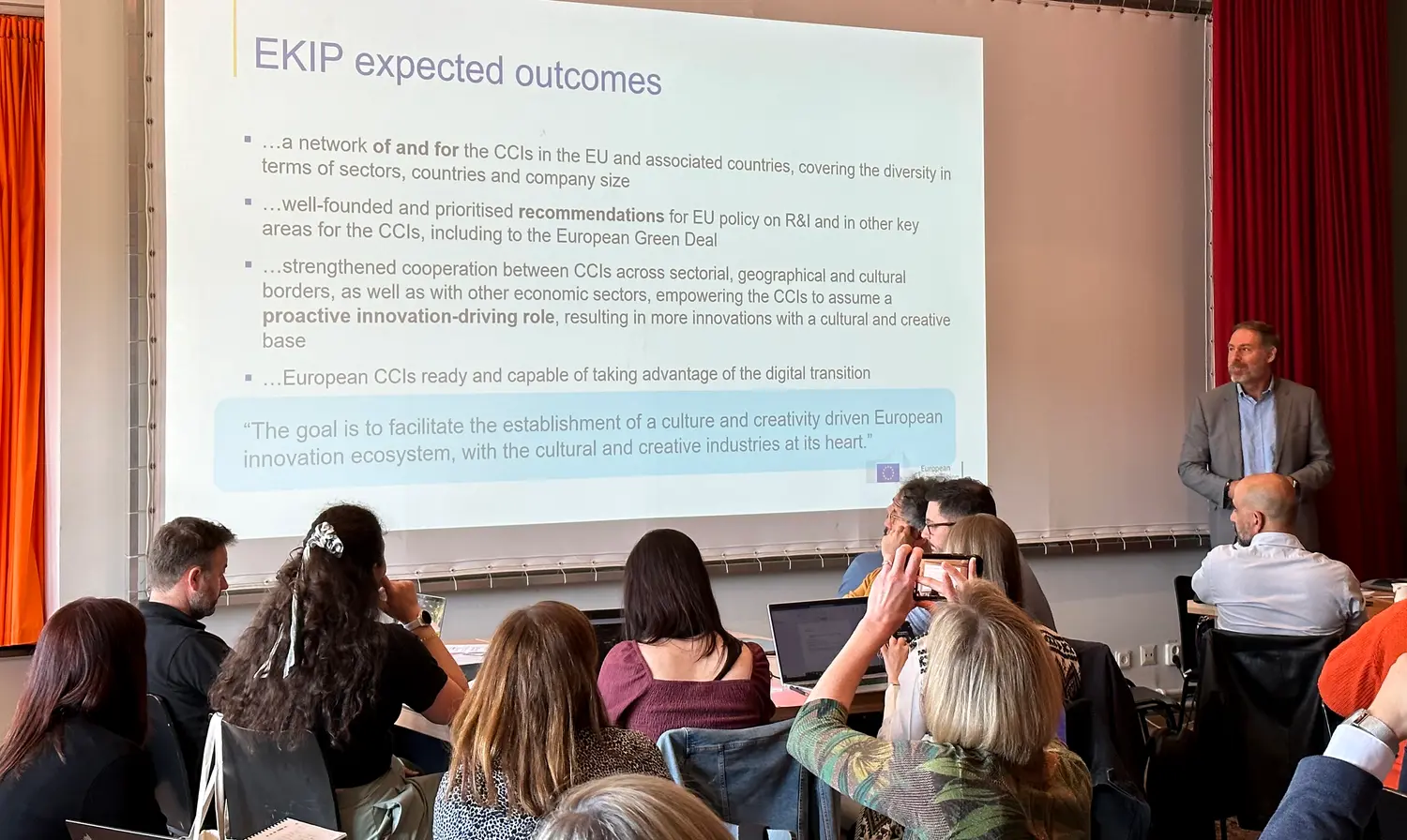
The contribution of the Design Department of the Politecnico di Milano is part of the realisation of the Observatory ekip, which thus serves as a central interface for policy dissemination. Together with the project partners New Moment and iCoolhunt, the Politecnico di Milano will create a digital platform where emerging evidence of behavioural change, CCI best practices and the challenges of emerging R&I trends will be disseminated. The platform will be designed to enable stakeholders to access information on emerging trends in CCI, behavioural change related to sustainable and digital transitions and policy recommendations. The online platform fulfils a triple role: firstly, to provide a digital space for network engagement; secondly, to effectively present data analysis, trend monitoring and policy recommendations, with granularity on different CCI sectors, actors and geographical regions; and finally, to aggregate data and transfer knowledge to policy-makers, CCI actors and other business sectors.
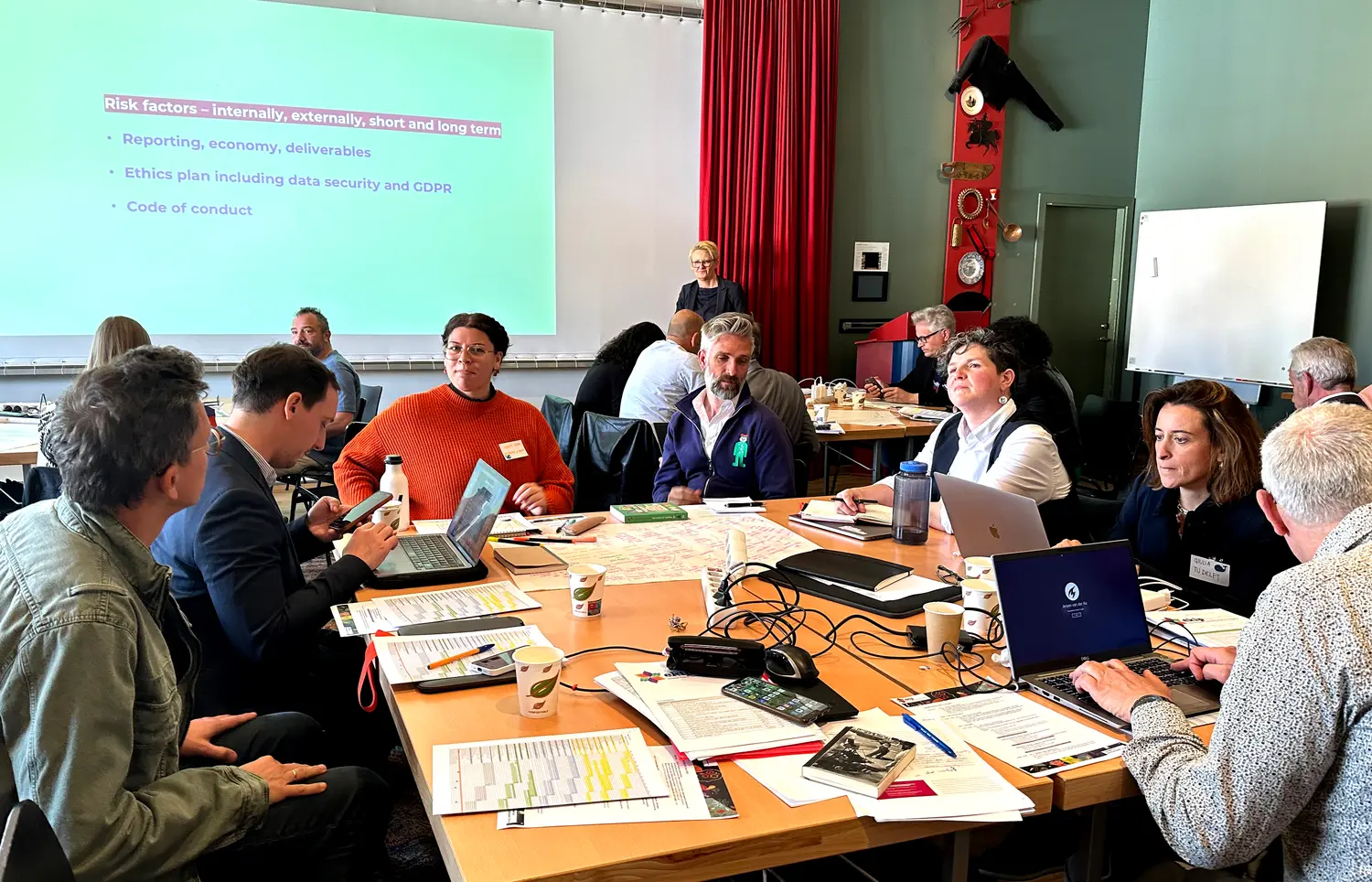
Ekip's innovation policy engine is a valuable resource for many application areas, including fostering green transition processes by facilitating the new Digital Product Passport Directive. As part of the EU's Green Deal, all products in the EU must be traceable and make explicit how they meet the criteria for responsible and sustainable production. In this case, the policy engine of ekip could suggest how local innovation ecosystems can use policies to support the development of new textile and clothing products with information identification labels. This enables circular processes and recycling in new ways, supporting green transformation in the EU.
TEAM
Valentina Auricchio
Luisa Maria Virginia Collina
Vanessa Monna
Stefana Maja Broadbent
Chiara Colombi
Andrea Giuseppe Manciaracina
Silvia D'ambrosio
Marzia Mortati
Silvia Deborah Ferraris
Paola Bertola
Francesco Zurlo
Project co-ordinator:
Charlotte Lorentz Hjorth
Partners:
New Moment
Cité du design-Higher School of Art and Design of Saint-Étienne
Creative Industry Kosice
Metropolitan Institute of Bratislava
City of Rotterdam
Icoolhunt
Humak University of Applied Sciences
IDEA Consult
Politecnico di Milano
Technopolis Consulting Group
MSCOMM
Creativity Lab
Delft University of Technology
The University of Edinburgh
The Netherlands Institute for Sound & Vision
Creative Business Network
Lund University