Politecnico di Milano among the key players in the ADI Design Index 2025

ADI DESIGN INDEX 2025

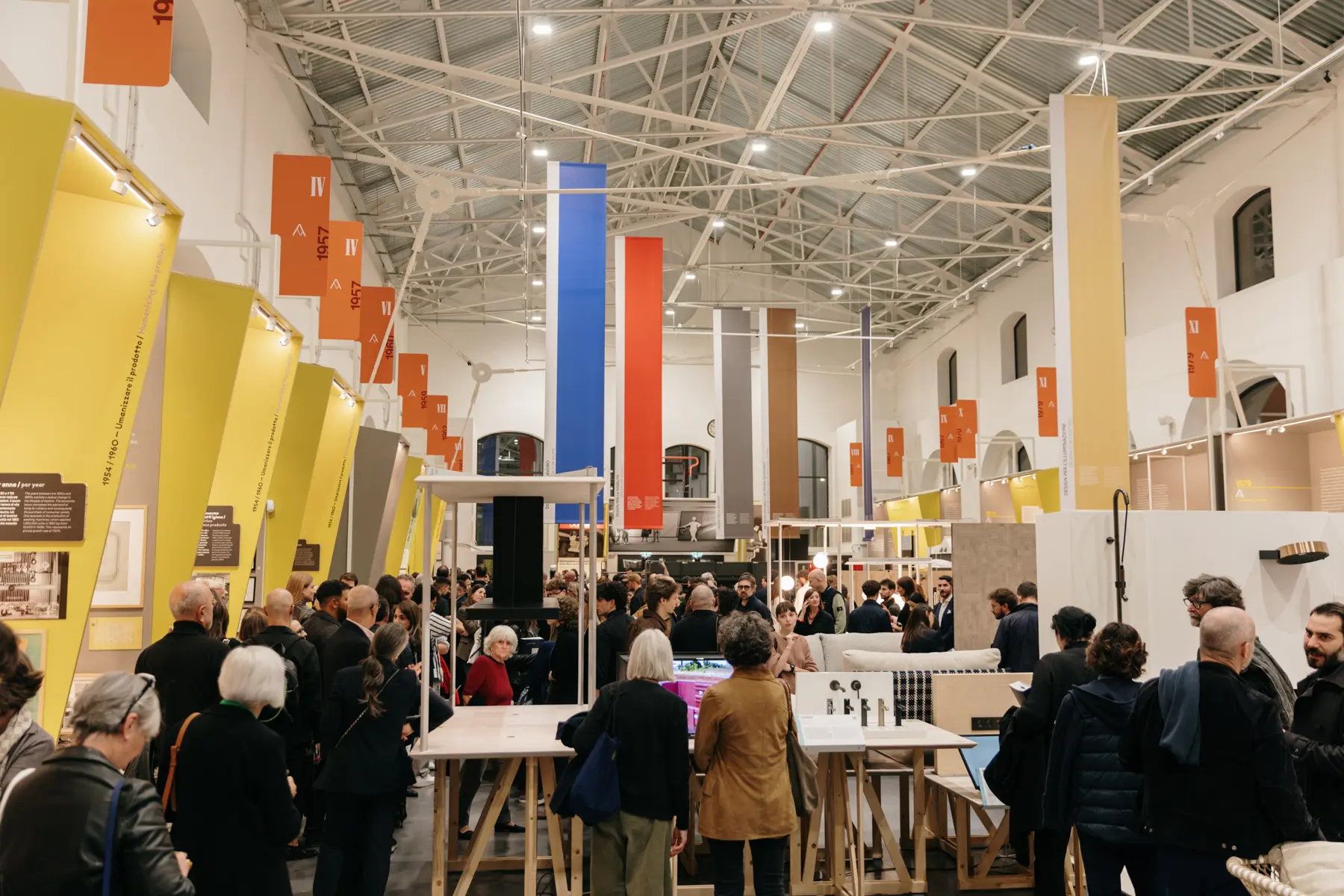
A panoramic view of a crowded exhibition inside a large industrial pavilion. The setup is visually striking, featuring tall colored banners (orange, blue, red, ochre) hanging from the ceiling and large tilted yellow display structures along the walls. Numerous visitors explore the space, moving between design prototypes and information panels in a lively atmosphere of cultural engagement

The School and Department of Design at the Politecnico di Milano are once again confirmed as key players in the national design landscape this year.

Research, teaching, and field experimentation have been rewarded with a significant selection of projects that will become part of the ADI Design Index 2025, the annual selection curated by the Associazione per il Disegno Industriale (Association for Industrial Design) which collects the most relevant proposals in contemporary Italian design.

The selection, carried out by the ADI Permanent Design Observatory, was supervised by an authoritative steering committee composed of Makio Hasuike, Domenico Sturabotti, Laura Traldi, and Francesco Zurlo. As emphasized by Francesco Zurlo of the Committee, the goal is not just to reward individual works, but to provide a "broad and multifaceted photograph of Italian design, recounting the variety and excellence of our productive and cultural system."

In this context of excellence and variety, the projects coming from the Politecnico di Milano best represent the different souls of contemporary design, ranging from research to social innovation, from product to service. These results testify to the constant commitment of students, professors, and researchers in contributing, every day, to defining the future of design.

The 2025 selection of the ADI Design Index gathered 344 projects, offering a broad and articulated overview of Italian design and constituting the first step towards the Compasso d’Oro 2026. The most represented sectors are Design for Living (69 projects), Design for Work (36), and Design for the Individual (27). Ample space is also dedicated to research (Corporate Research, Theoretical Research, and Social Design), and to the Targa Giovani (Youth Plaque) (28 projects), confirming the attention paid to new generations.

Below are the selected projects from the School and Department of Design for the ADI Design Index 2025, divided by category:
SOCIAL DESIGN

Citofonare Albugnano

Client: Dipartimento di Design, Politecnico di Milano

Designer: Davide Fassi, Annalinda De Rosa, Paola Russo, Valentina Auricchio, Vanessa Monna, Alexandra Coutsoucos, Nadia Pirovano, Marco Andrea Finardi

Product Type: Project for Territorial Regeneration

Collaborators: Martina Bon

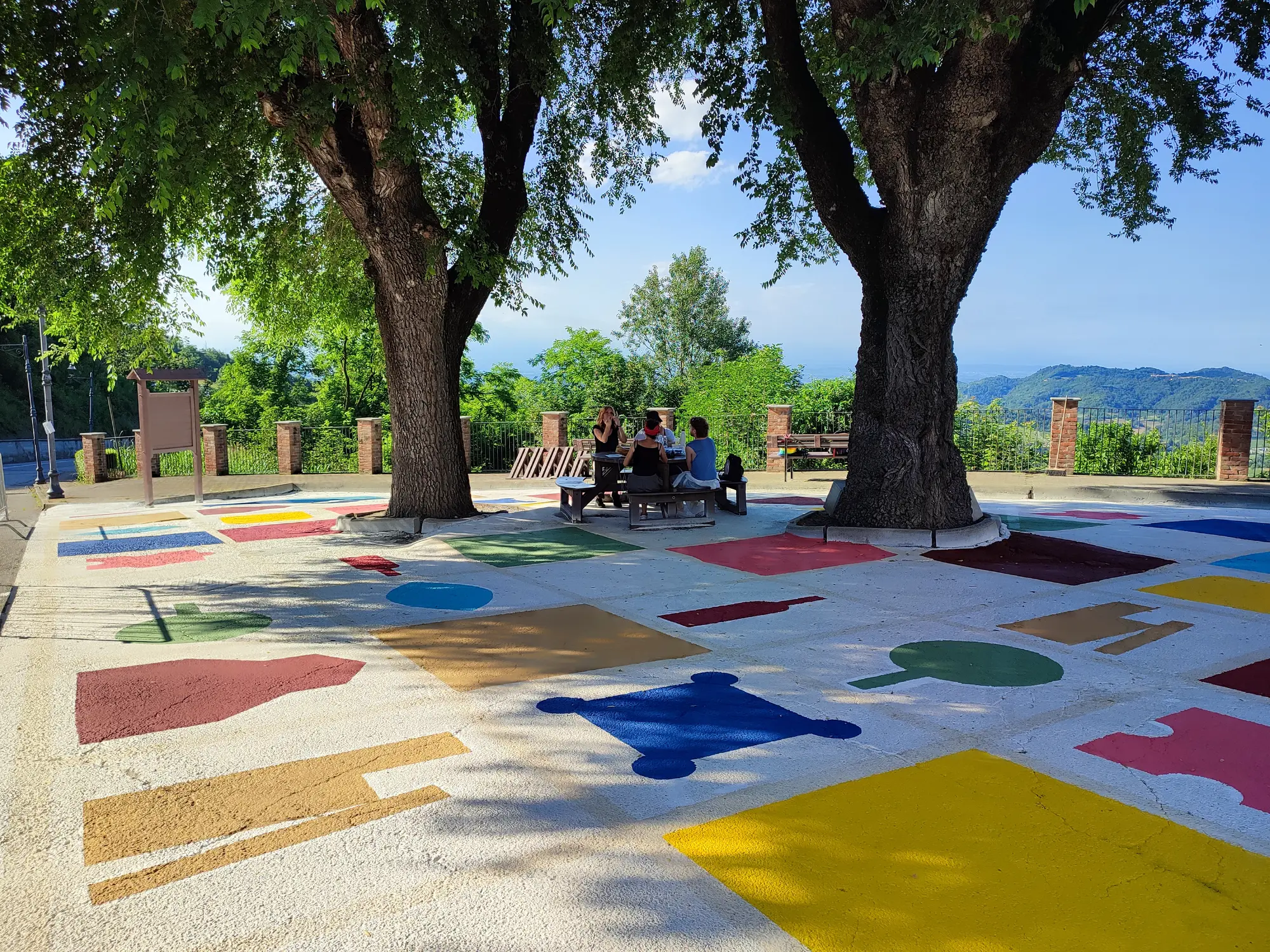
This project involves territorial regeneration and cultural co-planning, and focuses on Albugnano (AT), a village well known for its important Romanesque heritage but badly affected by rural depopulation, with a current population of five hundred inhabitants. Coordinated by the Polimi DESIS Lab and co-financed by Creative Europe, it involved residents, associations and the local administration in building a vision for the future based on participatory governance, low-impact cultural tourism, and the promotion and enhancement of the local heritage. The initiatives include a narrative walking trail with information points, a green space for performances, tactical urbanism in the town square, and intermunicipal ventures. It has strengthened social networks and produced solid results in the area, generating a lasting impact both for local stakeholders and also the community.

A bright panoramic square overlooks a hilly landscape, transformed into an open-air work of art through a vibrant tactical urbanism intervention. The light-colored pavement is dotted with colorful geometric shapes — blue, yellow, red, and green squares, circles, and stylized silhouettes — creating a dynamic and joyful visual carpet. Two large, mature trees provide shade for a group of people sitting around a picnic table, engaged in conversation and enjoying the view. The area, bounded by a low brick wall with a railing, serves as a gathering point and lookout, blending contemporary design with the natural beauty of the surrounding territory.

ReverseLab. Uno spazio per l’arte contemporanea tra il carcere e la città

Client: Dipartimento di Design e Dipartimento di Architettura e Studi Urbani del Politecnico di Milano, Casa Circondariale di Milano San Vittore “Francesco di Cataldo”

Designer: Andrea Di Franco, Gianfranco Orsenigo, Marianna Frangipane – Dipartimento DAStU, Architettura e Studi Urbani, Politecnico di Milano; Francesca Piredda, Mariana Ciancia, Chiara Ligi – Dipartimento di Design, Politecnico di Milano

Pruduct Type: Regeneration project

Collaborators: Maurice Pefura, Susanna Fresko, Patrizia Melli, Diego Sileo, Maria Maramotti, Emma Lombardini, Elettra Panepinto, Manuela Nebuloni, Daniele Panni, Caterina Grimaldi, Claude Marzotto, Maia Sambonet, Giulia Benedetti, Mauro Macella, Andrea Pescini, Max Viale, Marta Galli, Davide Borroni

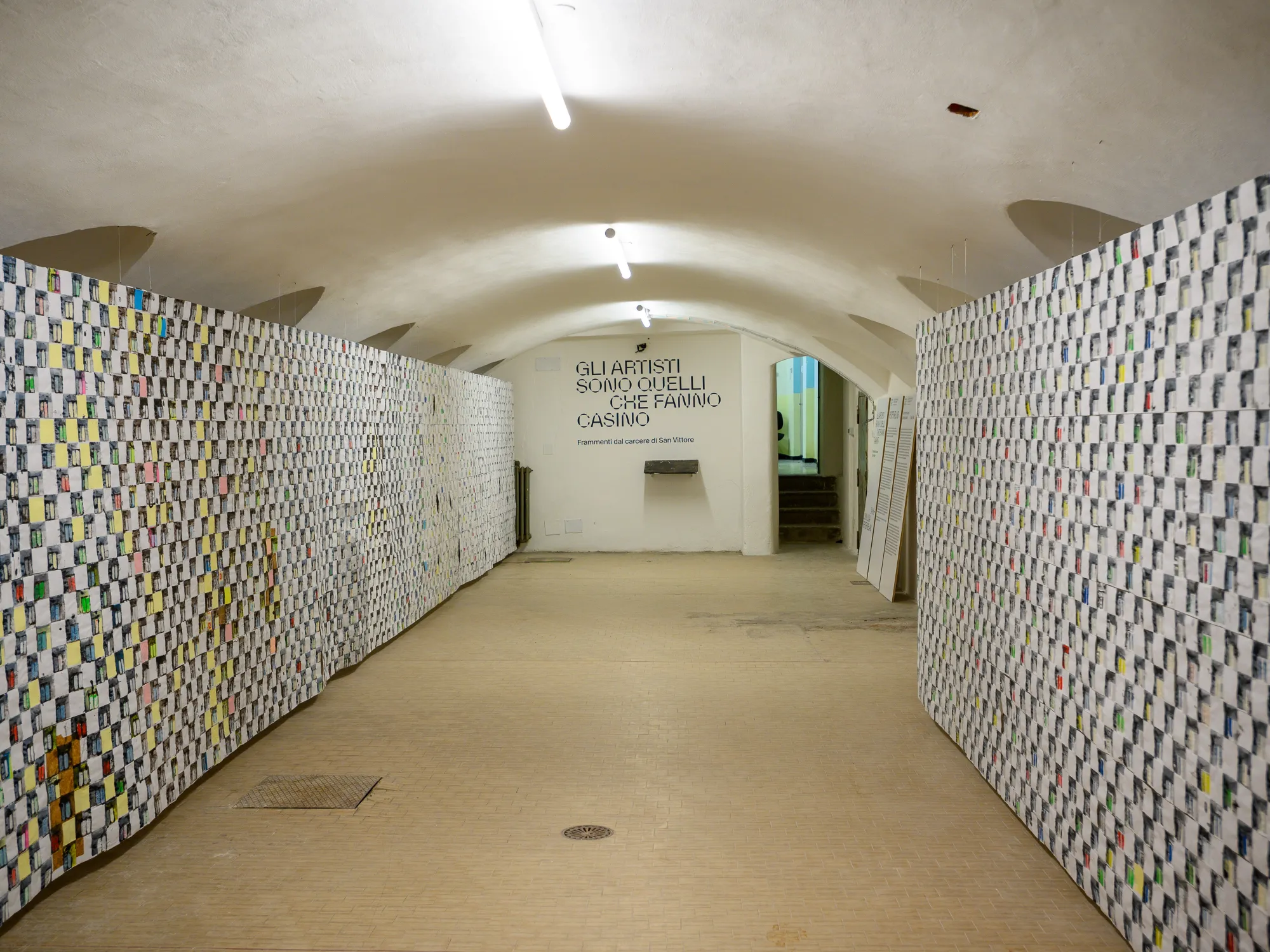
For years, a debate has raged over what to do with the San Vittore prison in Milan. Through participatory art and action research, this project transforms an abandoned prison area into a permanent art workshop that is open to the city. Created as part of Off Campus San Vittore (Politecnico di Milano), it involves inmates, prison officers, artists and the general public in a co-production process that combines art, design and philosophy. The 2024 edition saw forty inmates work with artist Maurice Pefura on a site-specific work and a sound exhibition. Design thus becomes an agent of change, transforming marginalized areas into spaces for expression and community, as well as for reflection on punishment.

The image shows the interior of an art installation located in a vaulted corridor. The side walls are entirely covered by a mosaic of thousands of small sheets printed with motifs reminiscent of windows and bars. At the far end of the room, a bold inscription reads: "GLI ARTISTI SONO QUELLI CHE FANNO CASINO" (Artists are the ones who make a mess - Fragments from San Vittore prison), defining the theme of the work related to prison life

***

CORPORATE RESEARCH

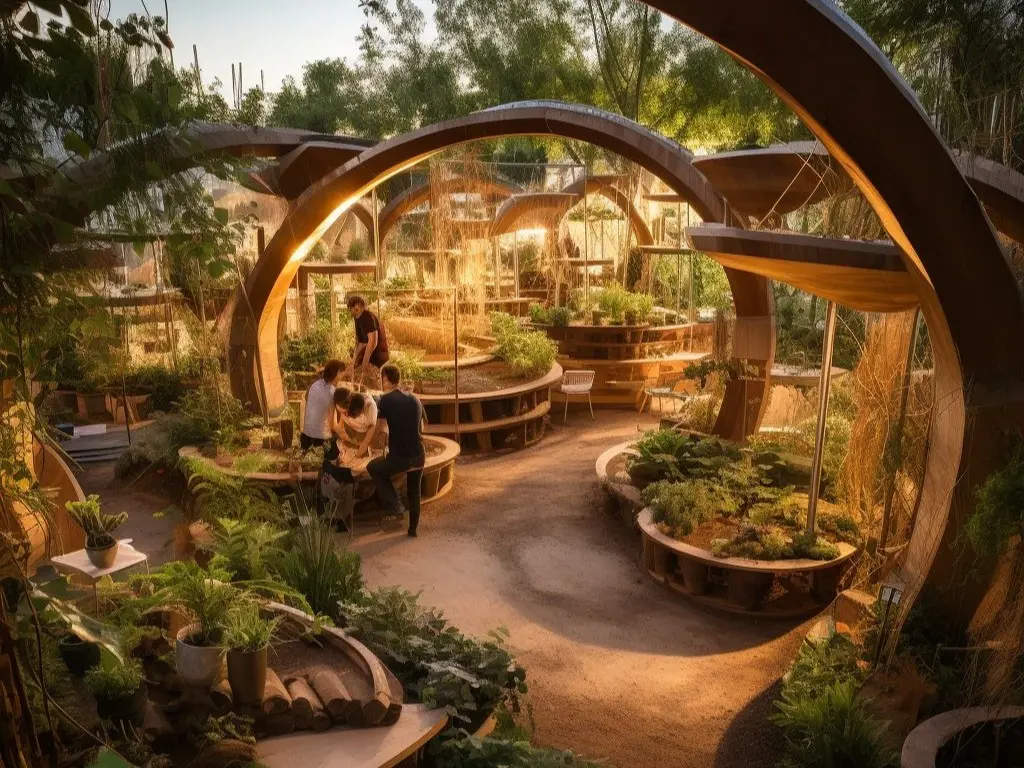
Design Futures Art-Driven Method

Client: European Commission

Designer: Marita Canina, Tatiana Efremenko, Eva Monestier, Carmen Bruno – IDEActivity Center, Dipartimento di Design, Politecnico di Milano

Product Type: Innovation method

Collaborators: Gluon Universitat de Barcelona, University College Dublin, PAL Robotics, Ab.Acus, MADE Competence Center i4.0, School of Electrical Engineering - University of Belgrade

An innovative approach that combines Futures, Design and Art Thinking in order to help companies anticipate change and design sustainable, inclusive and regenerative solutions. It promotes collaboration between artists, designers, technologists and businesses and is divided into four phases (Horizon Scanning, Visioning, Ideating and Prototyping) all supported by AI. Tested in the MUSAE project, it has led to the creation of scenarios and prototypes aimed at addressing trends such as food sustainability and holistic well-being. The method focuses on the digital and sustainable transition with an approach centered on people and the planet and is distributed through the European Digital Innovation Hubs.

The image showcases a biophilic design environment, featuring large circular wooden structures that integrate multi-level platforms filled with lush greenery. A group of people is seated in the center of the space, immersed in a warm and natural atmosphere that blends sustainable architecture with social interaction

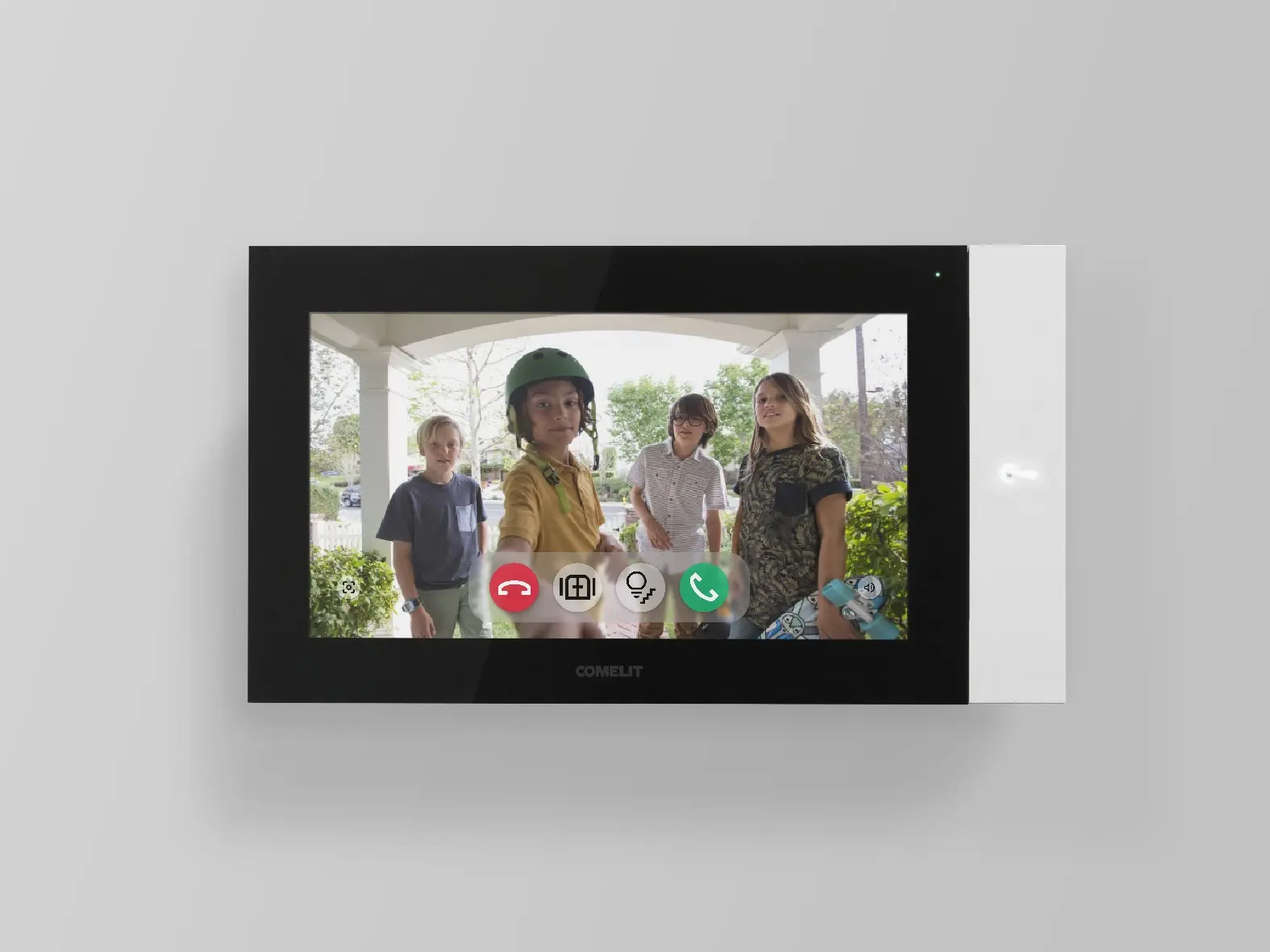
Videocitofono 7top – Ricerca e Sviluppo UX/UI

Producer: COMELIT Group

Designer: Mario Bisson, Stefania Palmieri, Riccardo Palomba, Giuseppe Rubino – POLI.design

Product Type: UX/UI for video entryphones

Collaborators: Habits, Davide Pandini, Luigi Pezzotta

A research that has improved the usability of an indoor video entryphone designed by Habits, through a UX/UI design process based on co-design, user analysis and prototyping. Two scenarios – Smart and Iconic – led the design of an intuitive system accessible to different generations of users. The project created a replicable model of human-centred innovation thanks to the synergy between academic method and corporate expertise.

A close-up of a 'Comelit' branded video intercom monitor installed on a gray wall. The screen shows four kids in front of an outdoor porch; one of them is wearing a green bicycle helmet and another is holding a skateboard. The interface displays the classic touch icons for answering the call, opening the gate, or turning on the lights

***

DESIGN FOR COMMUNICATION

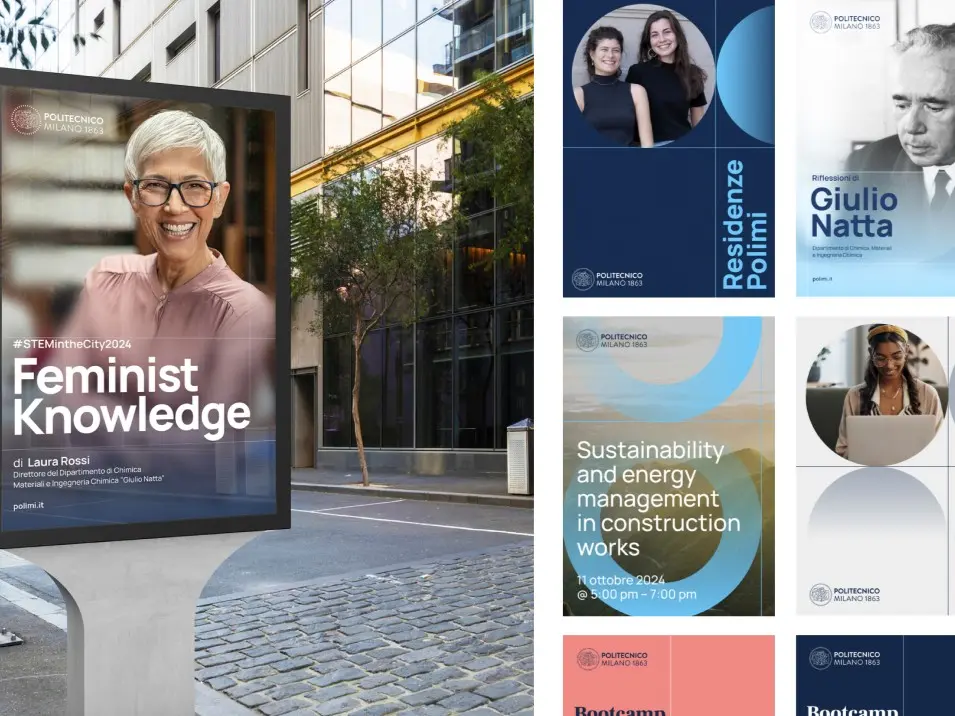
Politecnico di Milano – Rebranding

Client: Politecnico di Milano

Designer: Sketchin, Umberto Tolino, Marcella Logli – Area Public Engagement e Comunicazione, Politecnico di Milano

Product Type: Rebranding

A project to redesign the university’s digital ecosystem and visual identity. It was co-design developed with lecturers and professionals and used a design-to-code approach which improved accessibility, usability, and consistency, thereby strengthening its international position. A modular grid, distinctive palette, and linear typography express rigour and innovation while inclusivity, listening, participation and sustainability have shaped the new scalable and long-lasting design system. The brand and visual language express the university’s values in an authentic way, and are aligned with the principle of “Technology for Humanity”.

On the left, a street billboard promotes the "#STEMintheCity2024" event titled "Feminist Knowledge." On the right, a grid of coordinated graphics advertises various institutional services and academic topics: from university housing and reflections on Nobel laureate Giulio Natta to sustainability seminars and training bootcamps. The collection conveys a dynamic university identity focused on inclusion and innovation

***

THEORETICAL, HISTORICAL, CRITICAL RESEARCH AND PUBLISHING PROJECTS

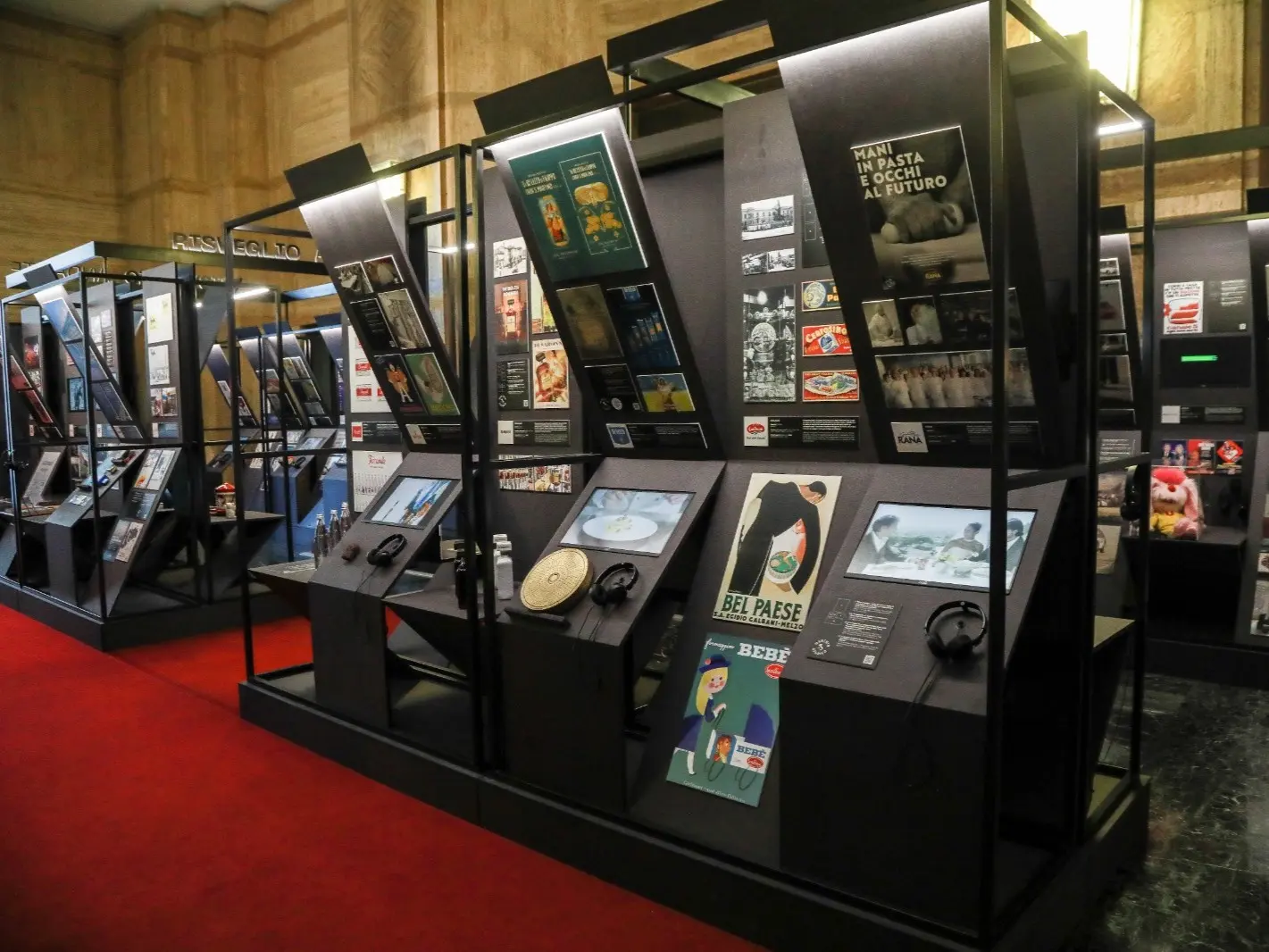
Identitalia. The Iconic Italian Brands

Client: Direzione generale per la Proprietà Industriale – UIBM Ufficio italiano brevetti e marchi, MIMIT Ministero delle imprese e del Made in Italy

Curators: Carlo Martino – Dipartimento PDTA, Sapienza Università di Roma; Francesco Zurlo – Dipartimento di Design, Politecnico di Milano

Product Type: Exhibition curatorship

Collaborators: Alessio Caccamo, Fabiana Candida, Gianluca Carella, Laura Casaldi, Daniela Dispoto, Giovanni Inglese, Vincenzo Maselli, Silvana Migliozzi, Anna Turco, Mattia Francesco Ucchiello

An exhibition promoted by MIMIT to celebrate the 140th anniversary of the Italian Patent and Trademark Office. One hundred and thirteen historic and contemporary brands are on display, selected for their cultural value, innovation and narrative power. The exhibition, divided into six sections inspired by a typical consumer’s day, features logos, posters, commercials, packaging and iconic objects related to the 5 As of Made in Italy: Alimentare (Food), Abbigliamento (Clothing), Arredamento (Furniture), Automazione (Automation) and Accoglienza (Hospitality). The result is a visual journey through the companies that have shaped Italy’s global identity.

The image shows a historical and multimedia exhibition setup inside a prestigious building with marble floors and a central red carpet. The display consists of self-supporting black modular structures serving as exhibition stands. They feature vintage advertising posters (such as "Bel Paese" and "Bebè" cheese), archival photographs, and interactive screens equipped with headphones. One visible title, "MANI IN PASTA E OCCHI AL FUTURO" (Hands in the dough and eyes on the future), suggests a journey through the history of the Italian food industry and social customs

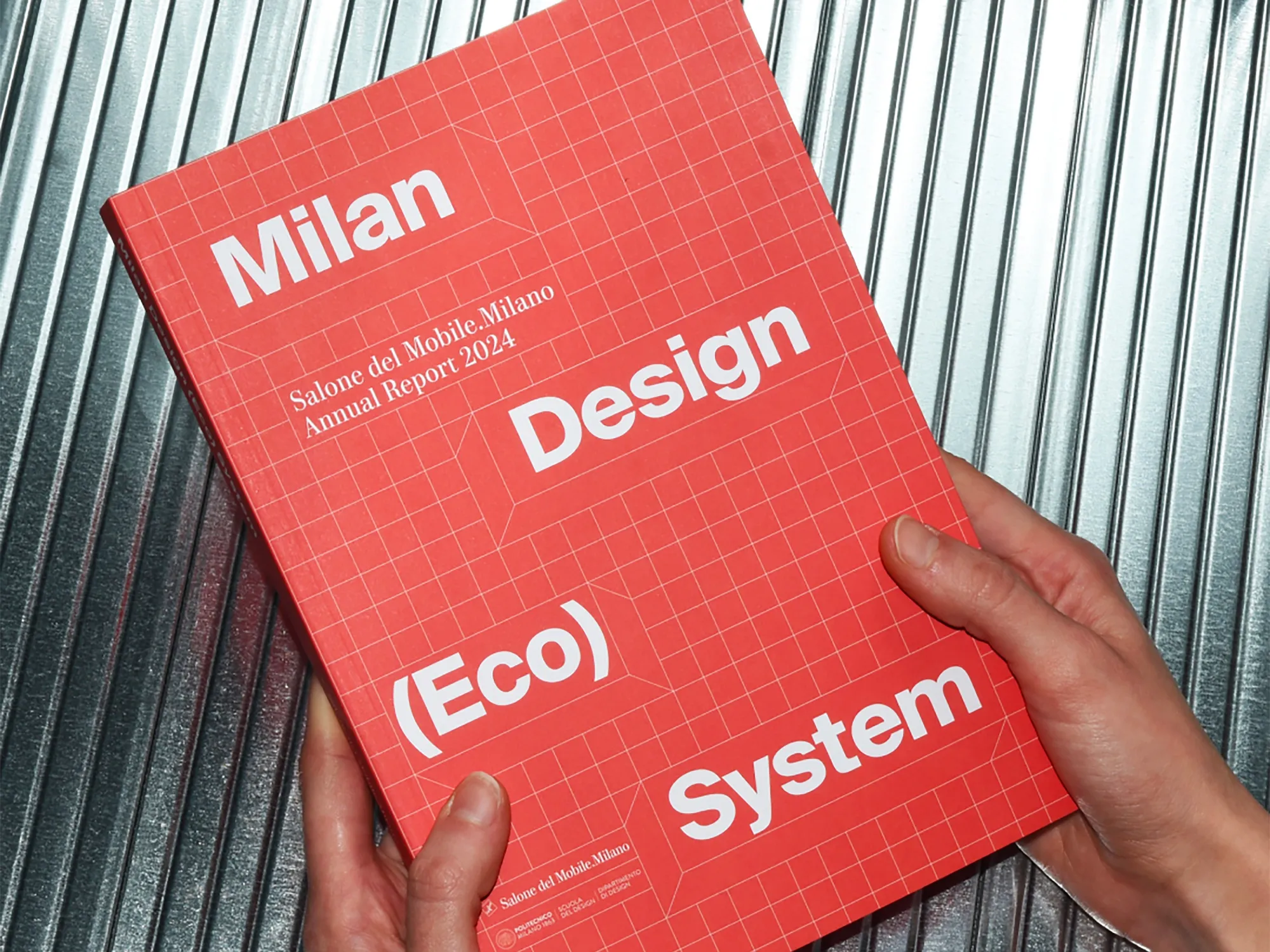
Salone del Mobile.Milano Annual Report 2024 (Eco)Sistema Design Milano

Client: Salone del Mobile. Milano – Federlegno Arredo Eventi

Designer: Susanna Legrenzi – Salone del Mobile.Milano; Stefano Maffei, Francesco Zurlo, Massimo Bianchini, Carla Sedini, Francesco Leoni – Dipartimento di Design, Politecnico di Milano

Product Type: Annual report

Collaborators: Luca Adornato – Salone del Mobile.Milano Direttore marketing e comunicazione / Marketing and Communications Director; Filippo Parolini – Dipartimento di Design, Politecnico di Milano

Printer: Graf Art, Venaria Reale (TO)

The Salone del Mobile di Milano launches its first Annual Report and outlines the scope of a future permanent Observatory. The volume (Eco)Sistema Design Milano analyzes the impact of the event and Design Week on Milan in terms of accessibility, sustainability, and economic and cultural implications. Created thanks to objectives shared with the relevant departments of the Municipality of Milan and the Lombardy Region, and with the involvement of 37 data holders, 130 stakeholders, and 530 field observations, this piece of research provides a comprehensive picture of the Milanese design system. The report is available on the Salone del Mobile website.

The image features a close-up of a book held in two hands, set against a corrugated metal background. The book has a red cover with a fine white grid pattern. The title is displayed in large, bold white lettering: "Milan Design (Eco) System". The top left corner reads "Salone del Mobile.Milano Annual Report 2024," while institutional logos, including Politecnico di Milano, are visible at the bottom. The overall aesthetic is minimalist and technical, reflecting themes of design and urban planning

Smoties

Client: Dipartimento di Design, Politecnico di Milano

Designer: Davide Fassi, Annalinda De Rosa, Paola Russo, Valentina Auricchio, Vanessa Monna, Alexandra Coutsoucos, Marco Andrea Finardi

Product Type: Book and methodological tool

Collabotators: Laura Galluzzo, Inge Eller, Isabelle Verilhac, Frank van Hasselt, Kristin Luke, Josie King, Anke Strittmatter, Sigrid Bürstmayr, Betty Gjecaj, Anika Kronberger, Jarosova Lucia, Matej Nikšič, Nina Goršič, Ilona Gurjanova, Kirke Tatar, Kevin Loigu, Spyros Bofylatos, Eleni Charoupia, Kyproula - Mania Bartzoka, Susana Gonzaga, Elisa Bertolotti, Luísa Freitas, Sara Patrícia Abreu, Astrid Lelarge, Birgir Johannsson, Pall Jakob Lindal, Magdalena Chorąży-Suchy, Anna Sowińska

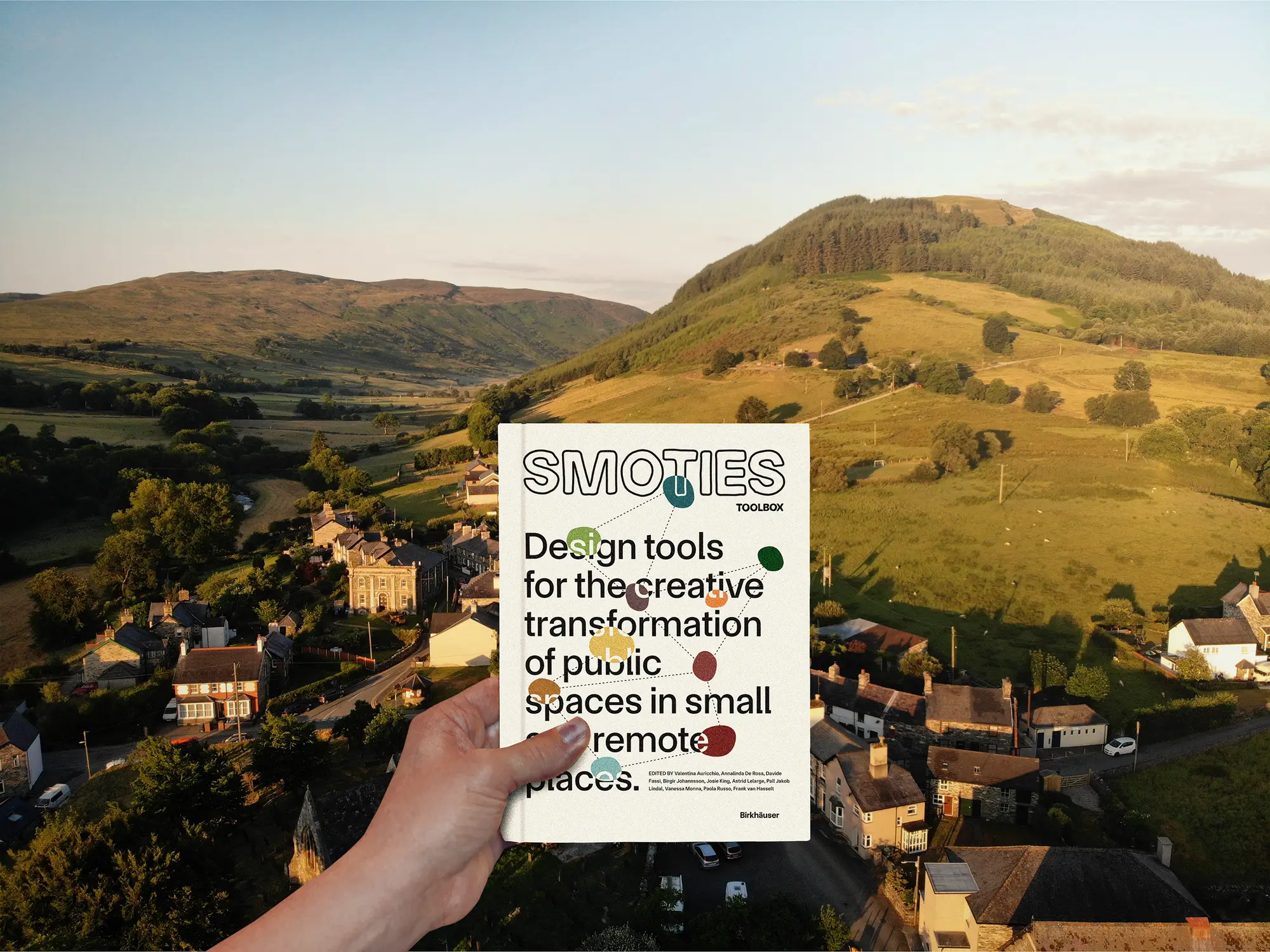
A scientific study co-funded by Creative Europe and coordinated by the Polimi DESIS Lab which involved European universities and research centres in ten rural areas in order to rejuvenate public spaces and strengthen social cohesion through participatory planning. The research combined historical, ethnographic and design analyses, developing a field-tested methodology published openly as a Toolbox. The project activated local networks, created site-specific works, collected fifty best practices, and presented the stories of the communities involved. It is a replicable model for rethinking the future of remote territories, driven according to culture, creativity and collaboration.

A hand holds the book "SMOTIES Toolbox" in the foreground, subtitled "Design tools for the creative transformation of public spaces in small and remote places." The background features a picturesque rural landscape at sunset, with a small village nestled among green hills, visually echoing the themes discussed in the manual

***

TARGA GIOVANI

Exposure

University: Politecnico di Milano

Student: Alessandro Moneta

Product Type: Bachelor’s degree thesis

Supervisor: Giuseppe Andreoni

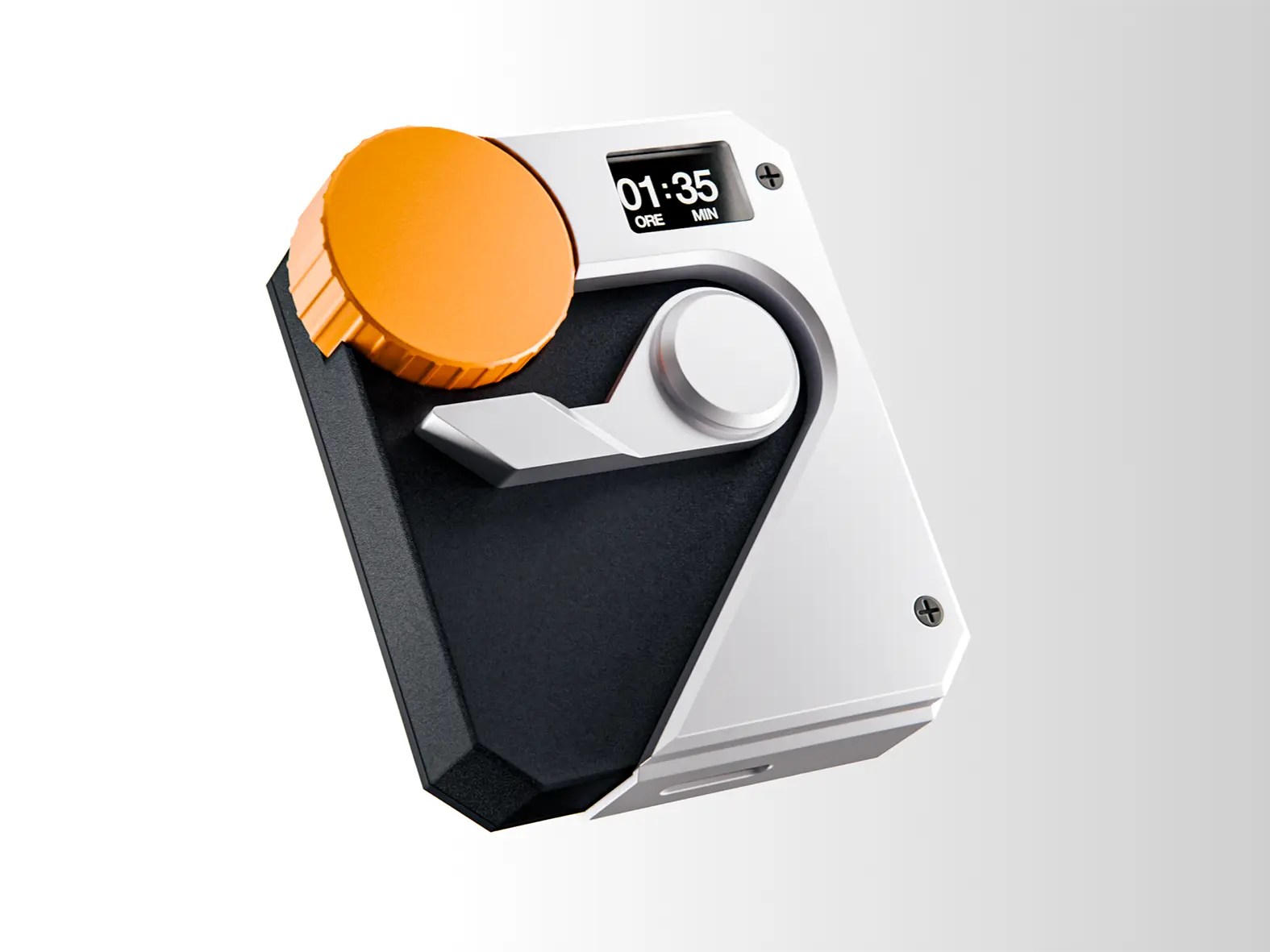
The project proposes a physical-digital system for the treatment of obsessive-compulsive disorder (OCD), based on the ERP (Exposure and Response Prevention) method. A wearable device guides the user through gradual exposures to their fears, delaying compulsion and strengthening their sense of control while the analogue dial and connected app guide the user in monitoring progress and engaging in emotional reflection. Inspired by analogue photography, the design uses a visual metaphor: exposure to risk is like exposing film. Unique in its genre, the device addresses a real, previously untreated therapeutic need.

A close-up of a technological gadget characterized by a mechanical aesthetic. The body consists of a textured black section and a satin white metal shell, fastened with visible screws. Distinctive elements include a large knurled orange knob, a shaped metal lever, and a small digital display reading "01:35 ORE MIN." The design evokes a "tech-wear" or futuristic style, focused on tactile interaction

Flo – Flexible Low-Profile Orthosis

University: Politecnico di Milano

Student: Giorgio Sbaraini

Product Type: Master’s degree thesis

Supervisor: Patrizia Bolzan

Assistant Supervisor: Carlo Emilio Standoli

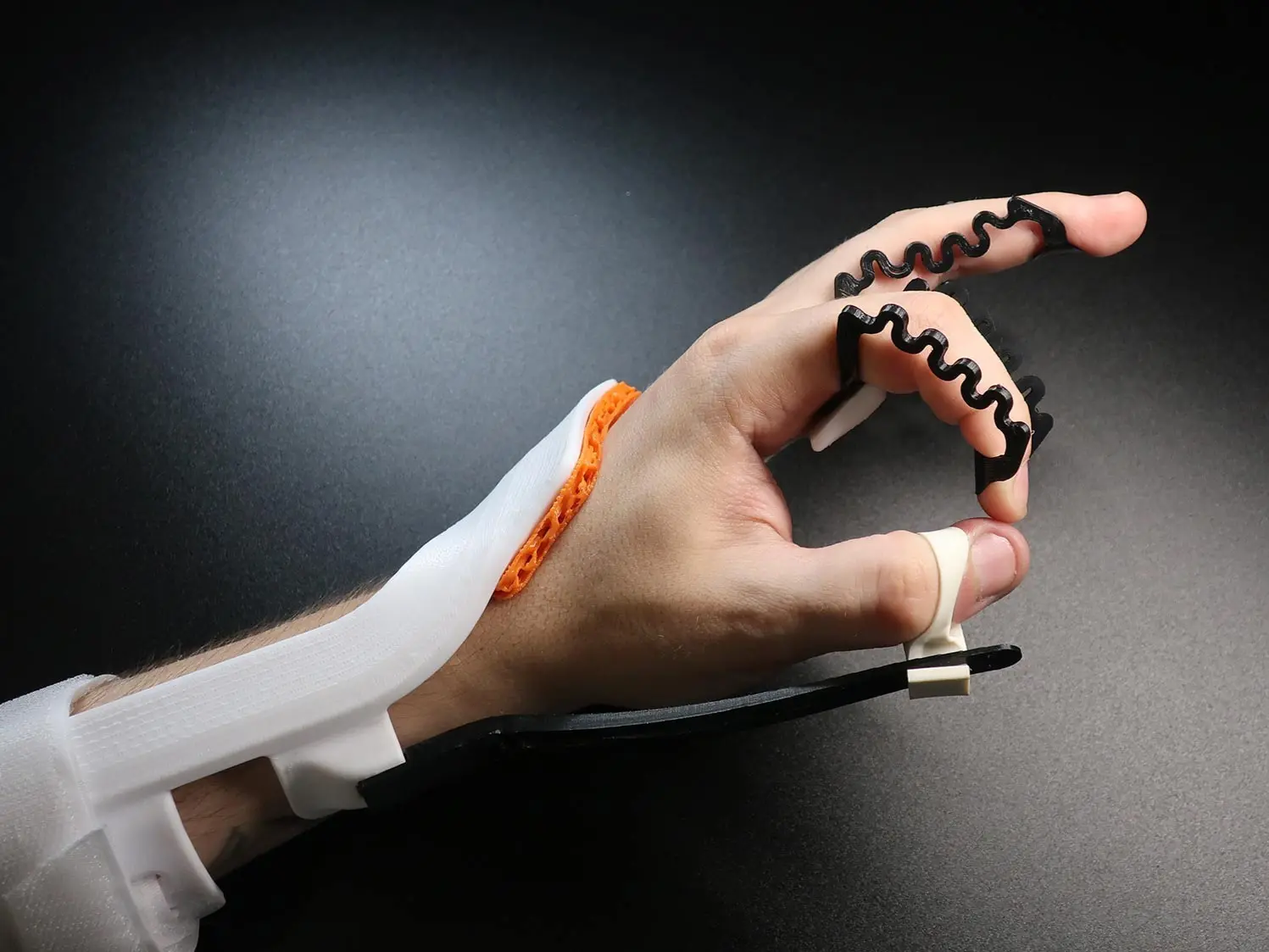
The project develops a dynamic orthosis for hand rehabilitation in patients with post-stroke spasticity, combining advanced design, innovative materials and FDM 3D printing. Lightweight (95 g), easy to put on with one hand, and highly customizable, the structure integrates 3D-printed elastic springs that support finger extension (1-10 N) and leave the fingertips and palm free to maintain sensory feedback. The brace is thermoformable and modular, with variable-density TPU padding and being made of innovative plastic materials, it combines function, comfort and autonomy, redefining the role of the orthopaedic device.

The image shows a prototype of a hand brace or exoskeleton, likely created using 3D printing. The device features an ergonomic white structure wrapping around the wrist, enhanced by a breathable orange insert. Zig-zag (or accordion-shaped) black elements are applied to the fingers, designed to support or guide movement, blending functional aesthetics with rehabilitative technology

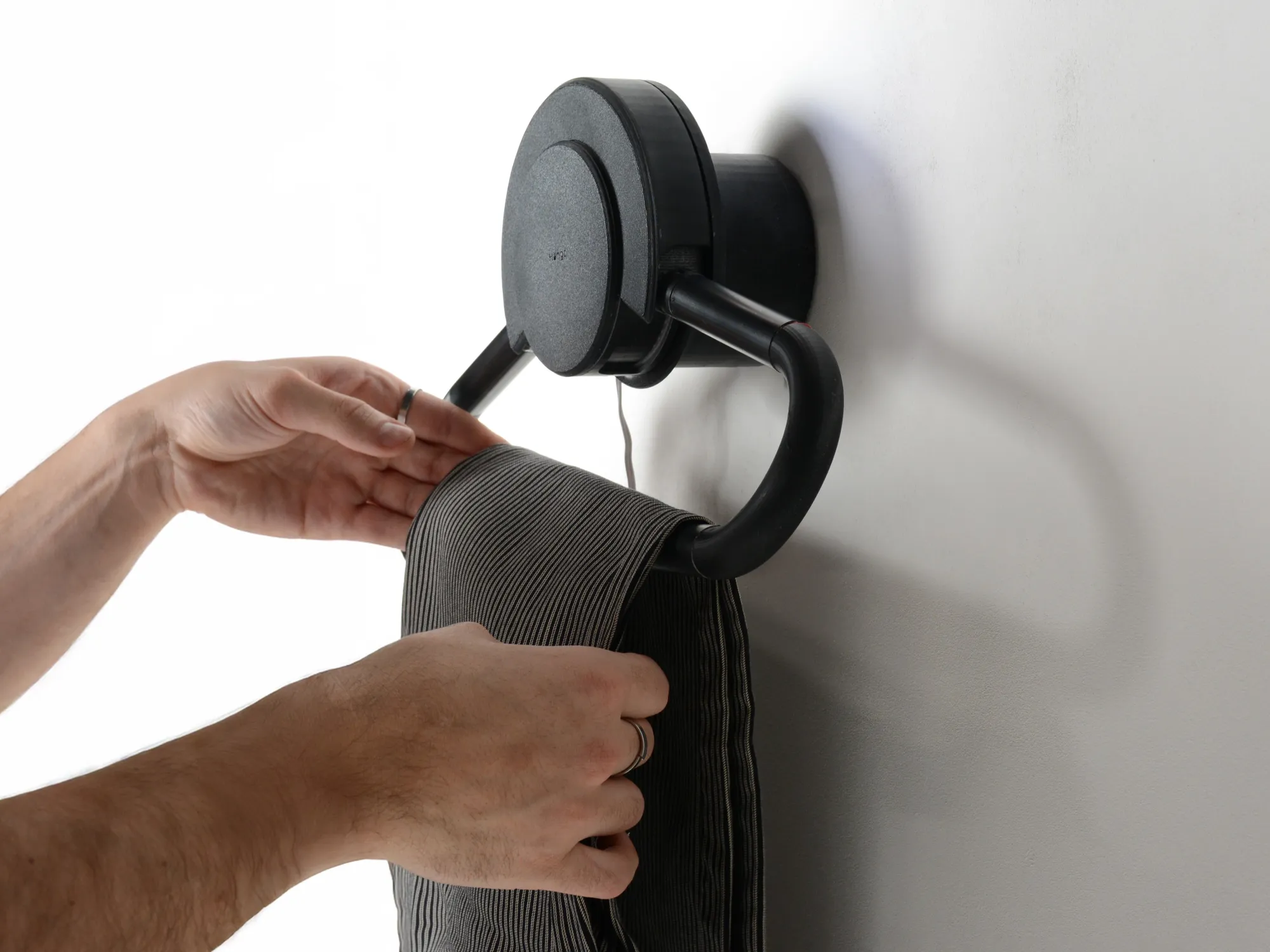
Hango

University: Scuola del Design, Politecnico di Milano

Students: Matilde Molinari, Simone Micozzi

Product Type: Examination project

Professors: Venanzio Arquilla, Emanuele Magini, Innocenzo Rifino, Maximiliano Ernesto Romero, Emmanuele Villani

Compact and intelligent, the device extends the life of used garments thanks to a jet of ionized air that sanitizes and deodorizes using plasma technology. The Bosch sensor detects odours and automatically activates the process; the interface lights up as it detects the item and displays the status of the garments. Rotating arms and optimized flow ensure efficiency, silence and reduced energy consumption and the entire process can also be managed via an app.

The image shows a detail of a functional design object, likely related to home organization or smart home systems. Two hands are placing a grey pinstriped fabric onto a black circular support mounted on a white wall. The device has a minimalist and industrial aesthetic, consisting of a central disc-shaped body and a curved tubular arm that acts as a hanger. The design suggests a simple and intuitive interaction, typical of objects designed to enhance everyday life through clean shapes and matte materials

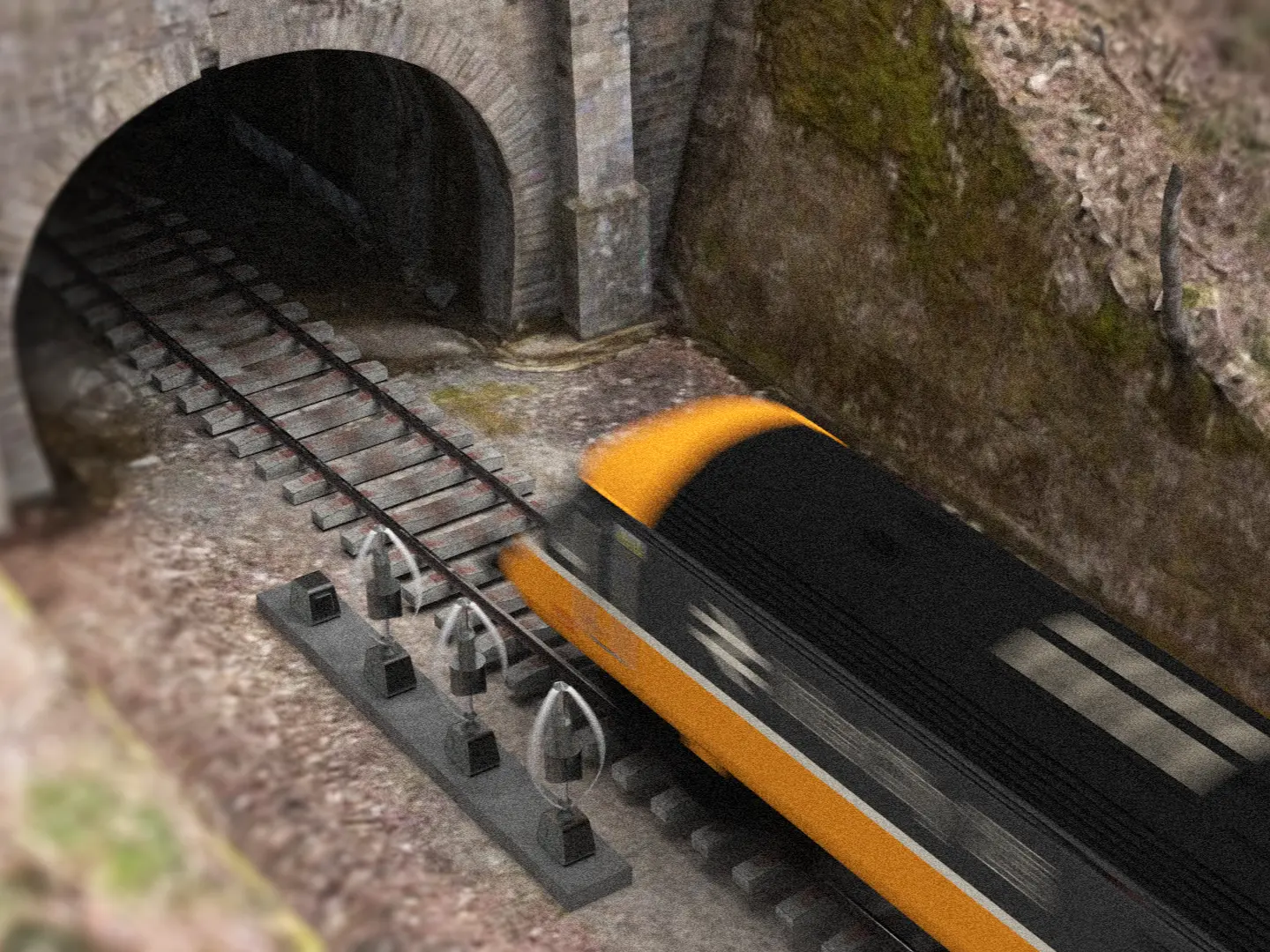
Kore

University: Politecnico di Milano

Students: Giuseppe Manasseri, Alessandro Bertani, Franceso Dileone, Xuelai Wei Martin

Product Type: Examination project

Professors: Riccardo Gatti, Daniel Schreiber, Marco Longana, Marco Rozzoni

Designed for railway tunnels, this is a system of wind turbines that captures the wind generated by passing trains and converts it into electricity. Thanks to Savonius and Darrieus turbines, it provides power for lights and security systems in areas not served by high-voltage lines while an intelligent module manages energy storage and distribution. Scalable and sustainable, it ingeniously responds to a global infrastructure need, reducing environmental impact and promoting new forms of energy efficiency.

The image illustrates a sustainable energy concept featuring vertical-axis wind turbines installed along a railway track. These turbines are designed to harness the airflow generated by passing trains. The shot, which uses a tilt-shift miniature effect, shows a yellow and black train speeding past a stone tunnel, blending traditional infrastructure with innovative green technology

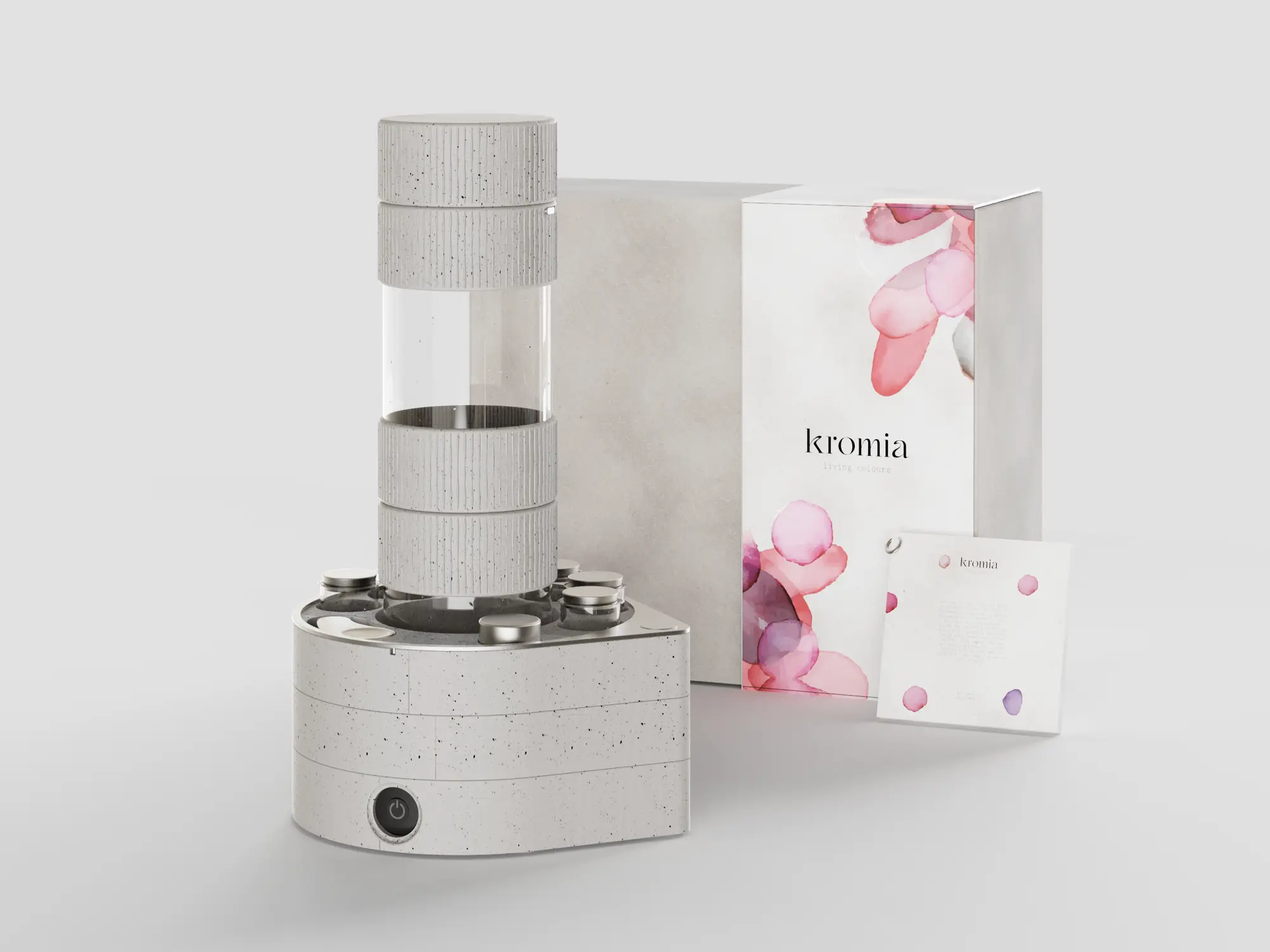
Kromia

University: Politecnico di Milano

Students: Bianca Traversa, Anna Adami, Alice Gagliardo, Marco Orazio Inchingolo, Mattia Maggiori

Product Type: Examination project

Professors: Stefano Maffei, Massimo Bianchini

A kit for extracting natural pigments from plants, minerals and food waste which represents a safe alternative to synthetic dyes. It solves the environmental impact of industrial pigments, allowing users to create unique colours with an accessible and circular process. Designed for creative professionals and DIY enthusiasts, it combines tradition with innovation in the use of processes such as infusion, filtration and freeze-drying in order to obtain high-quality pigments.

This image features a product with a refined design called 'Kromia'. It is a cylindrical device with a textured finish (resembling stone or speckled concrete) and transparent inserts, housed on a technological base with a power button. Next to the product is its packaging, decorated with elegant watercolors in shades of pink and purple, along with an information card. The overall aesthetic suggests an object related to wellness, home fragrance, or personal care

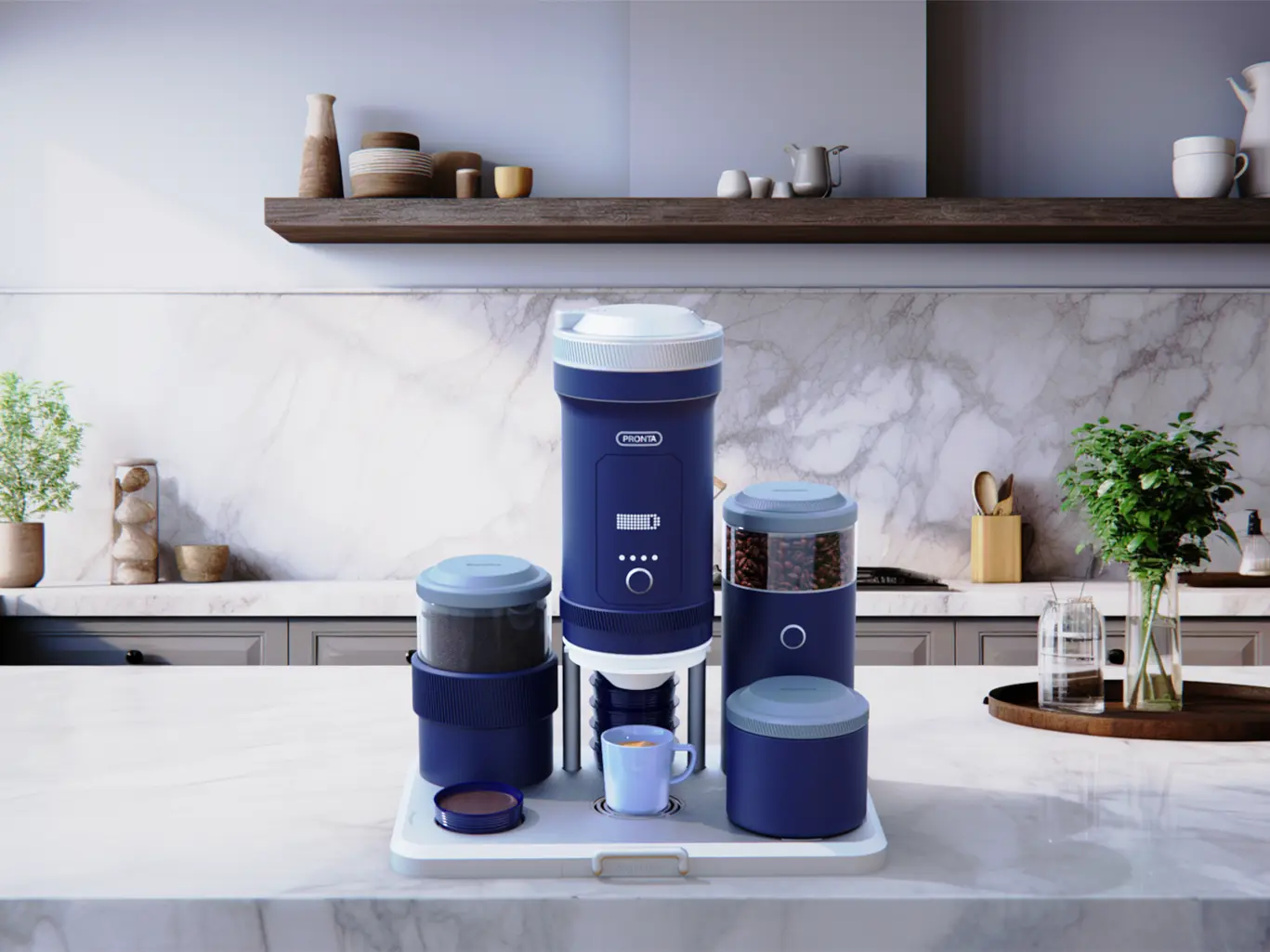
Magnetica e Pronta

University: Scuola del Design, Politecnico di Milano

Students: Alessandro Argintieri, Alice Salis

Product Type: Examination project

Professors: Venanzio Arquilla, Emanuele Magini, Innocenzo Rifino, Maximiliano Ernesto Romero, Emmanuele Villani

A portable, sustainable, and high-quality ecosystem in which Magnetica is the charging base for Pronta, a coffee-making machine compatible with refillable capsules. This system eliminates single-use plastic, waste, and compromises while the magnetic procedure makes filling intuitive and clean. Easy to use, fast and offering barista-quality results, it meets the needs of those who love good coffee while respecting the environment.

The image features a modern and high-tech coffee set called "PRONTA", set within a contemporary kitchen. The system consists of several coordinated modular elements in matte blue. In the center is the main brewing unit, featuring a digital display that shows battery levels and operational status. Flanking it are containers for coffee beans and grounds, with transparent sections and light blue lids. The entire set sits on a slim gray base on a white marble countertop, conveying a concept of smart, portable, or battery-powered coffee preparation

Staineraser

University: Politecnico di Milano

Students: Beatrice Duina, Filip Malata, Francesca Corona

Product Type: Examination project

Professor: Emmanuele Villani

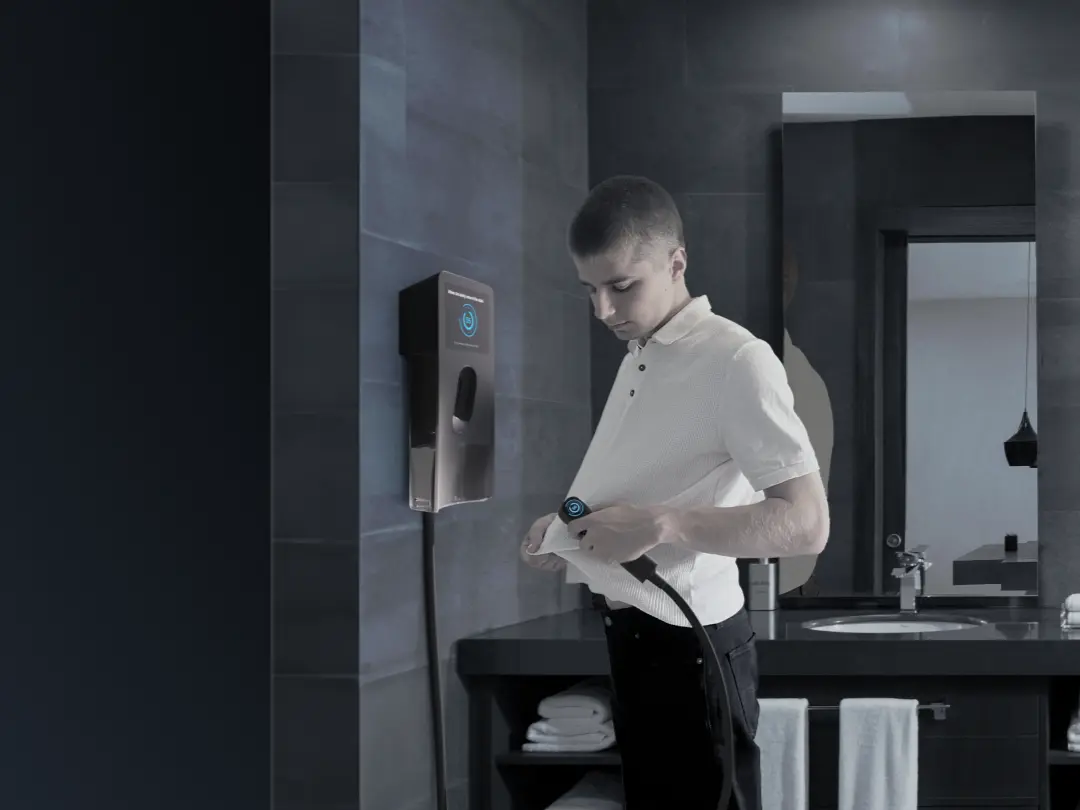
A wall-mounted stain removal device for public restrooms. Using ultrasound, water delivery and suction, it provides immediate and effective cleaning by removing stains from clothing without chemicals, fabric damage, or long waiting times. Safe, eco-friendly and fast, it improves the user experience and promotes sustainability in public restrooms.

The image showcases a design concept for personal care, set in a modern bathroom with dark tones. A young man is shown using an innovative wall-mounted technological device. It appears to be a system for cleaning or quickly refreshing garments while they are being worn: he holds a nozzle connected to a hose, pointing it toward his white t-shirt. The wall unit features a digital display with a glowing circular interface indicating the process status. The setting is minimalist, with gray tiles, a large mirror, and neatly folded white towels, suggesting a seamless integration of technology into daily routines

Volt

University: Scuola del Design, Politecnico di Milano

Students: Thomas David Short, Chiara Piazzolla

Product Type: Examination project

Professors: Venanzio Arquilla, Innocenzo Rifino

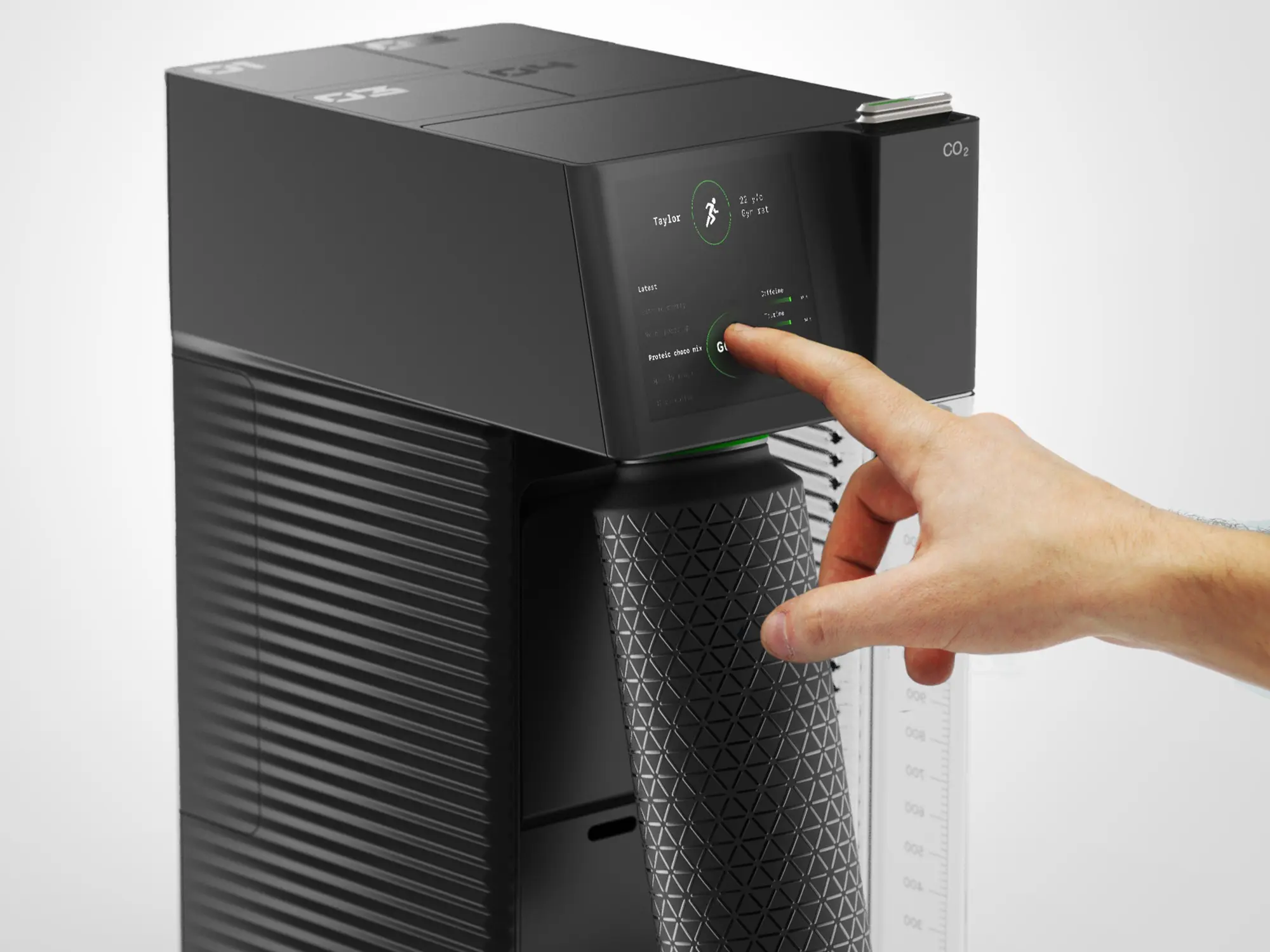
A compact appliance that mixes soluble powders such as creatine, vitamin B, and coffee together with flavour tablets to create hot, cold or carbonated beverages, from energy drinks to drip-fed coffee. Designed for Gen Z and the American market, it offers a sustainable alternative to industrial beverages, eliminating preservatives and packaging. In addition, it features precise control over each ingredient and reduces tin can waste, offering an all-in-one solution for those seeking convenience, personalisation and awareness.

The image features an advanced technological device, likely a smart beverage or supplement dispenser, in a sleek and modern setting. In the foreground, a hand interacts with a digital touch interface integrated into the top of the unit. The screen displays personalized information, such as the name "Taylor" and a "Protein choco mix" option, suggesting a custom mixing function. The body of the dispenser has a black ribbed finish, while the inserted bottle features a raised geometric texture. A detail in the upper right corner reads "CO2," suggesting a water carbonation feature

Vote

University: Politecnico di Milano

Students: Giacomo Garetto, Elena Mapelli, Gina Pulcini, Emanuel Simionato, Gregorio Torresan

Product Type: Examination project

Professors: Franca Garzotto, Matteo Palù

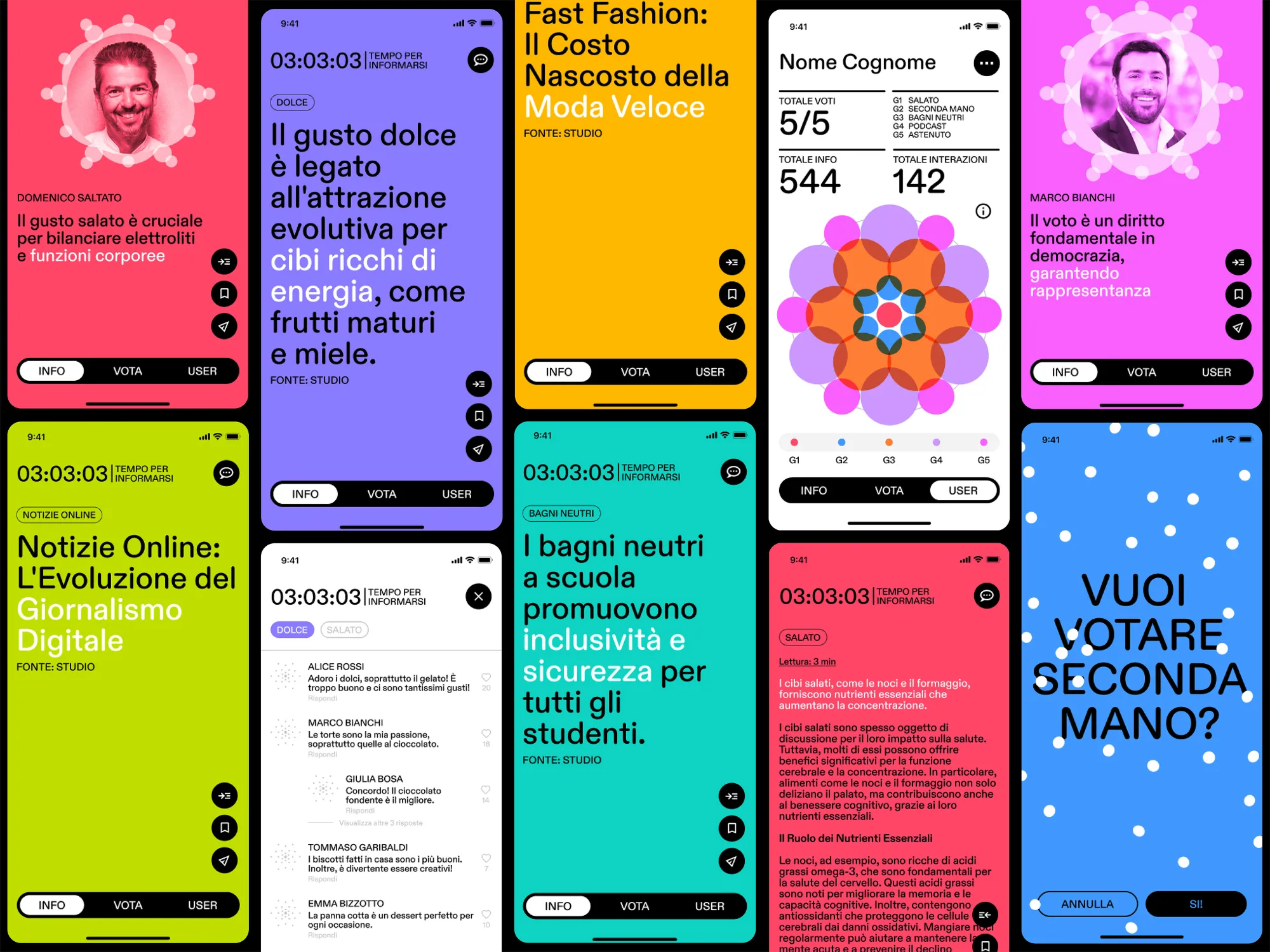
An interactive experience that brings democracy to schools, transforming voting into an opportunity for discussion and awareness. Through a web app connected to a monitor installed in the school premises, for one week students answer questions on current issues, gather information, debate, and vote. A design system provides each user with personalized feedback, making the weight of each decision visible. At the end of the week, the collective results appear on the monitor, stimulating dialogue and critical thinking. It represents a new way of experiencing democracy, both inside and outside the classroom.

The image displays a series of mobile app screen mockups with a vibrant, contemporary design, featuring bold colors and typography. The interfaces use a clean graphic style with saturated backgrounds (pink, blue, yellow, green, and black). The app appears focused on information sharing and user engagement, covering topics from nutrition ("Sweet taste," "Essential nutrients") to sustainability ("Fast Fashion") and social issues ("Gender-neutral bathrooms in schools"). It includes user profiles, voting sections, comments, and colorful infographics, such as a floral diagram representing user statistics. The navigation is minimalist, with three main buttons at the bottom: INFO, VOTE, and USER

Zea

University: Politecnico di Milano

Students: Simona Invitti, Elisa Paganoni, Chiara Branca, Benedetta Crociani, Matilde Davoli, Eleonora Versitano

Product Type: Examination project

Professors: Francesco E. Guida, Pietro Buffa di Castelalto, Alessandro Masserdotti, Giacomo Scandolara

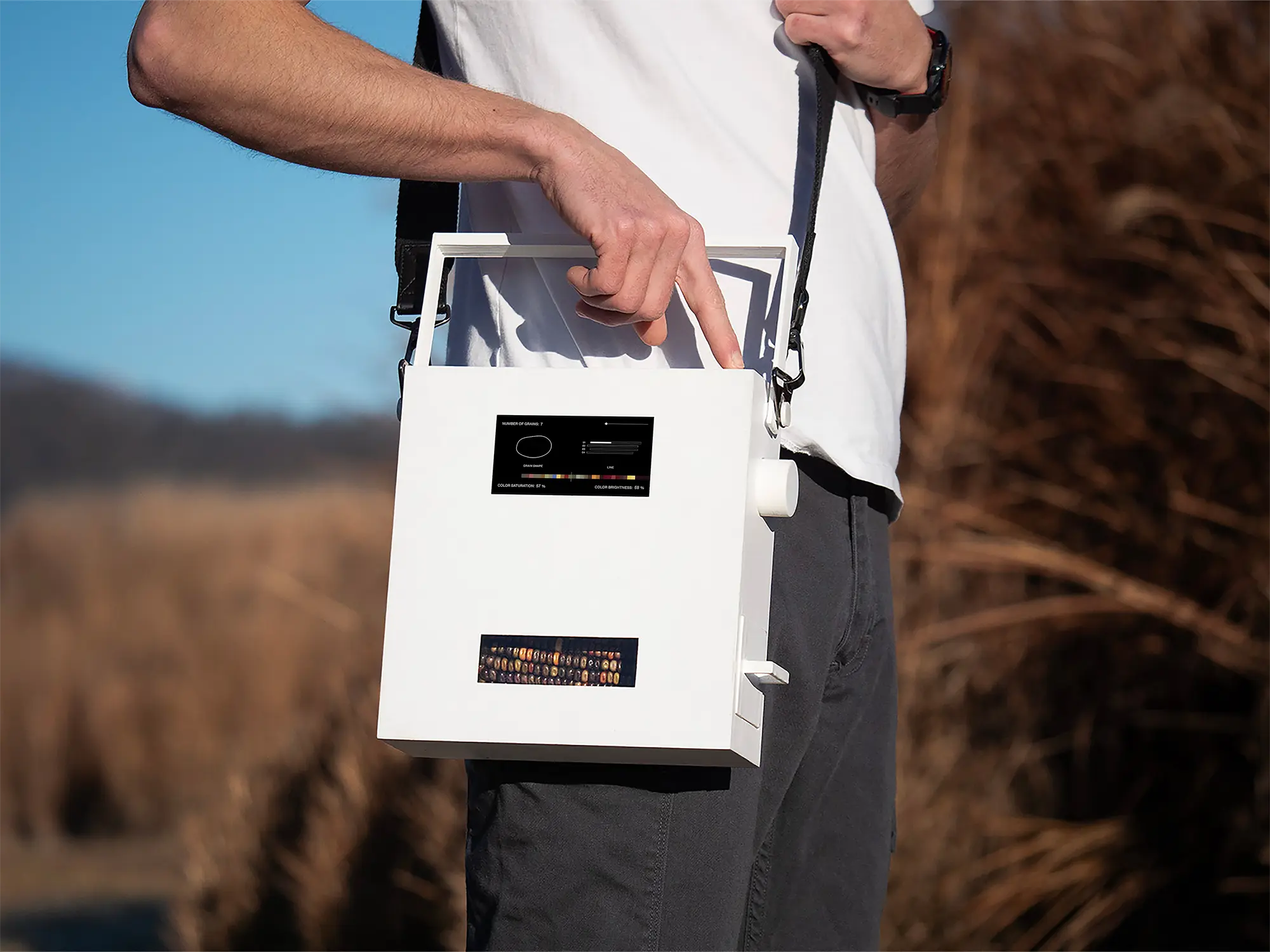
A device capable of translating the characteristics of corn cobs into ambient music tracks. Each sound reflects the chromatic and structural specificity of the analyzed sample, offering an interactive experience that stimulates reflection on biodiversity. The more homogeneous varieties bred for industrial agriculture generate repetitive sounds, while traditional varieties produce richer compositions. The machine’s musical protocol assigns precise sound parameters to the colour, shape, quantity, and arrangement of the kernels. The project was displayed during the Raw Scenarios exhibition at the Dotdotdot studio.

The image displays a portable technological device with a minimalist design, being used in an outdoor setting. A person is carrying a white, rectangular-shaped apparatus with a shoulder strap, resembling a cross between a vintage radio and a precision scientific instrument. The device features a small digital display showing charts and data (such as "Color Saturation"), a side knob, and a transparent slot at the bottom revealing small, grain-like elements. The design is sleek, with geometric lines and a structure that seems focused on field analysis or the cataloging of natural elements

The selection of projects from the School and Department of Design at the Politecnico di Milano for the ADI Design Index 2025 guarantees them top-level visibility. The exhibition itinerary for the 2025 Selection has started in Milan: the exhibition, which opened on October 15, 2025, at the ADI Design Museum, will remain open to the public until October 30, 2025.

The full Catalog can be viewed on the website of ADI Associazione per il Disegno Industriale.

Share on: